

-
Permanent Exhibition Room
-
Special Exhibition Room
-
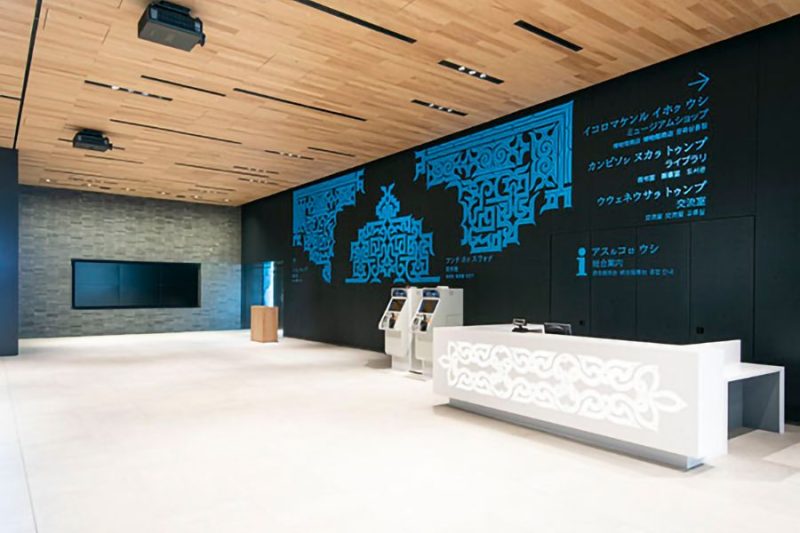
General Information
-
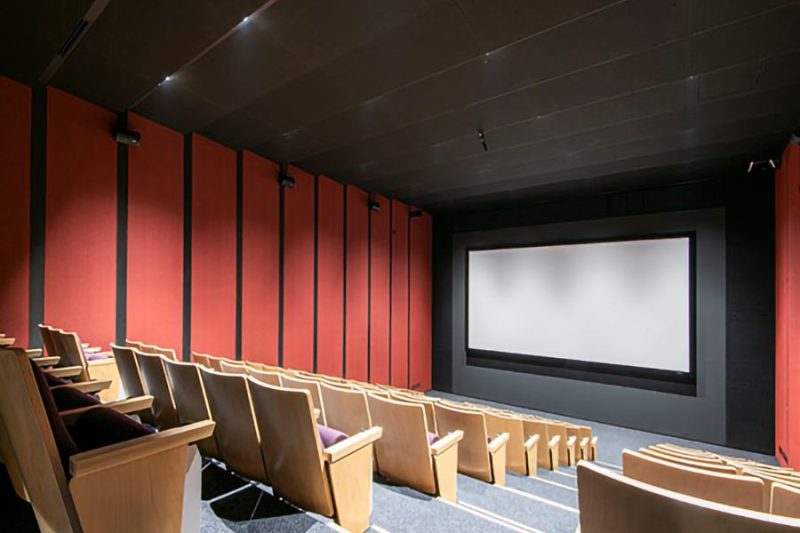
Theater
-
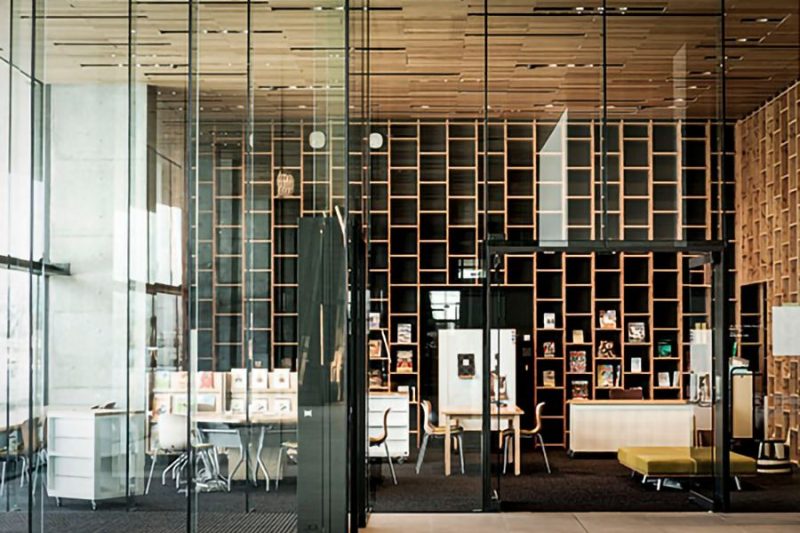
Library
-
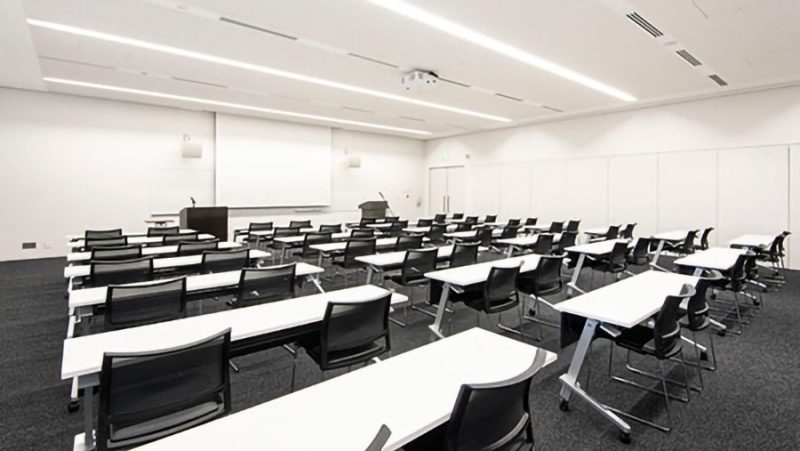
Conference Room
-
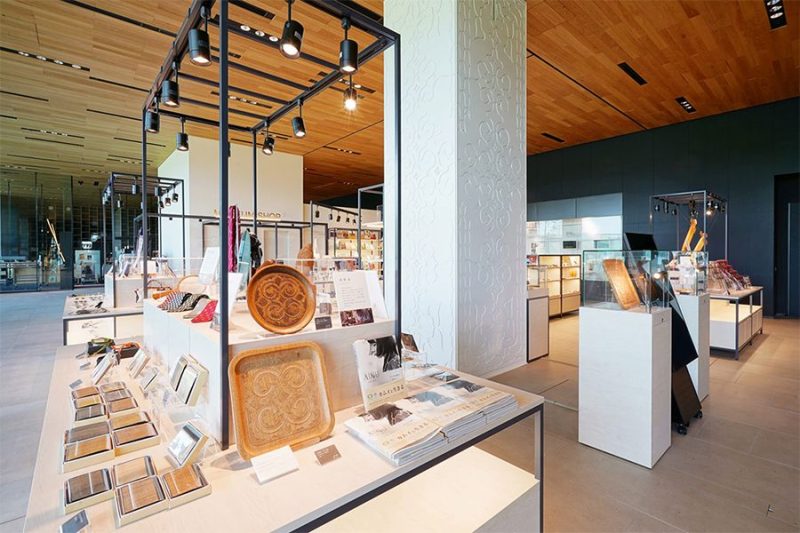
Museum Shop
-
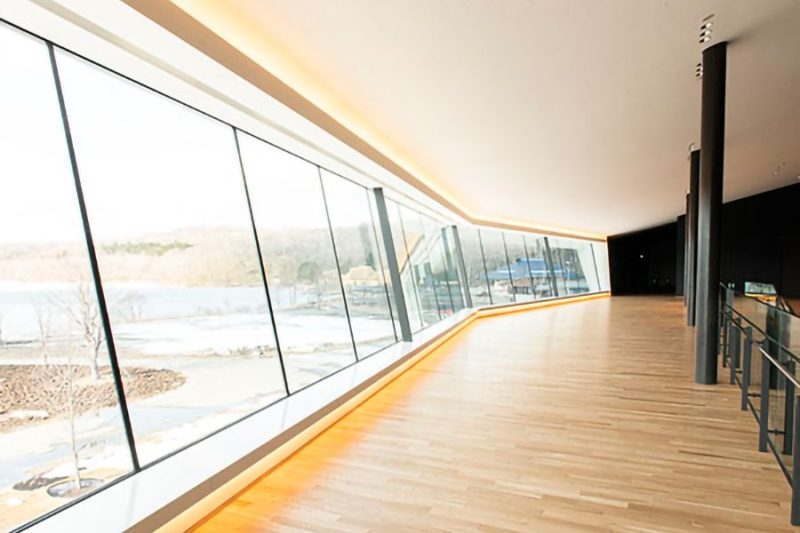
Observation Deck
2F
Ikor tumpu
Permanent Exhibition Room
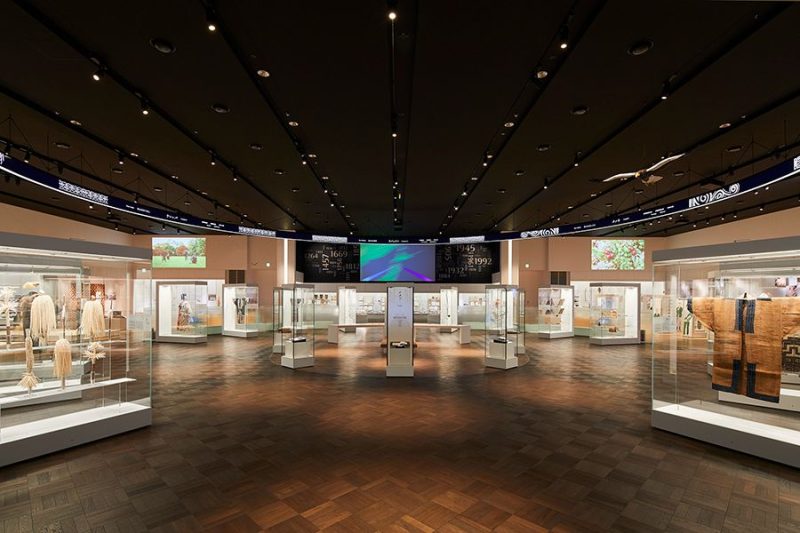
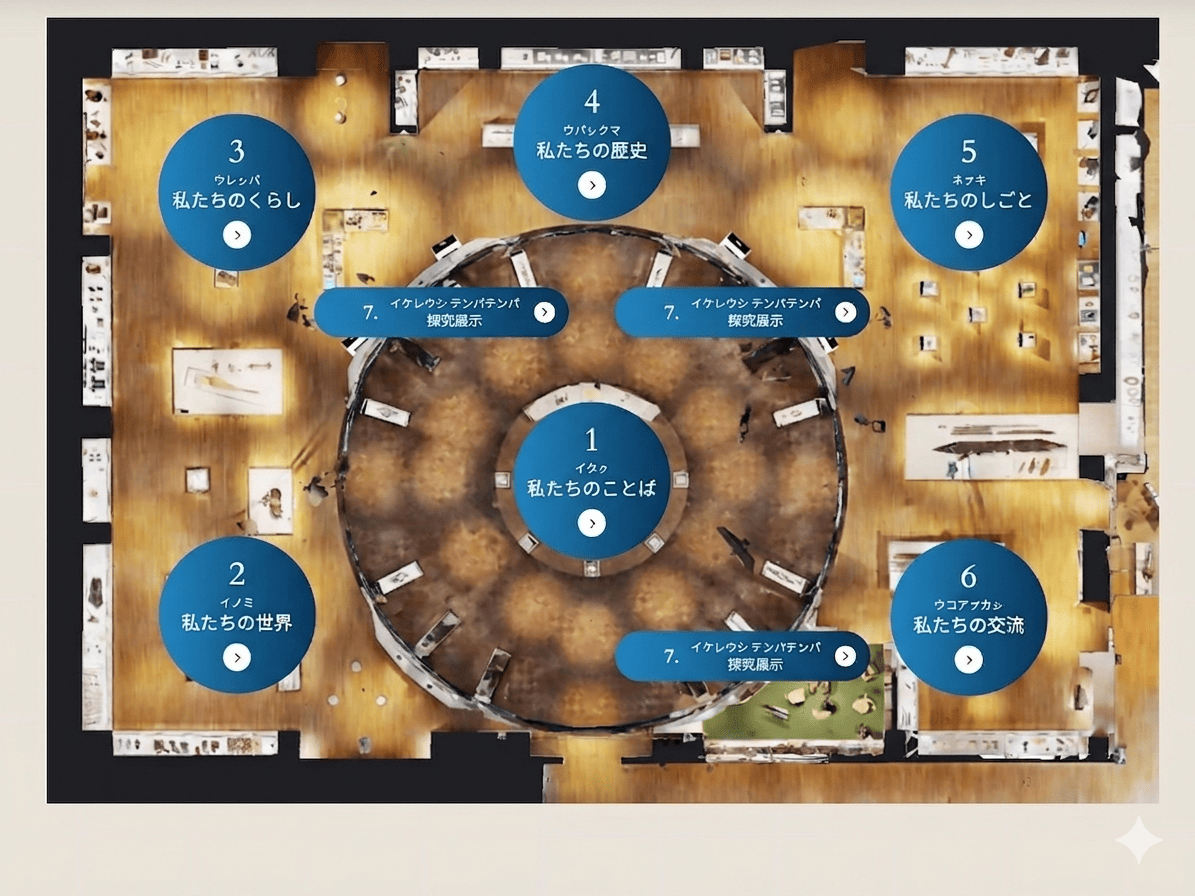
The permanent exhibition features six themes from the perspectives of the Ainu. A collection of outstanding works is displayed in the Plaza Exhibition at the center, providing an overview of the exhibition for visitors who are short on time. There are also areas where visitors can touch actual items.
iaskeuk
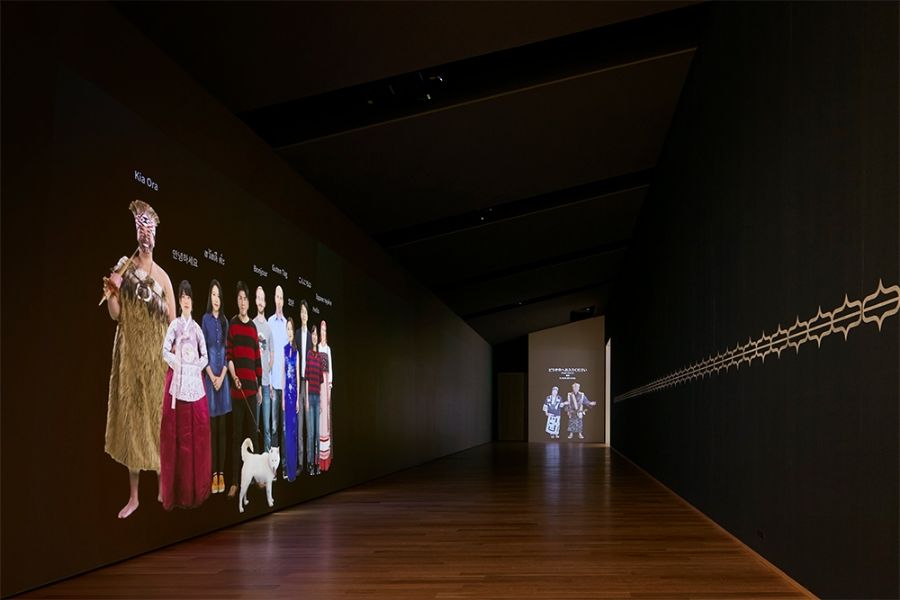
Introduction
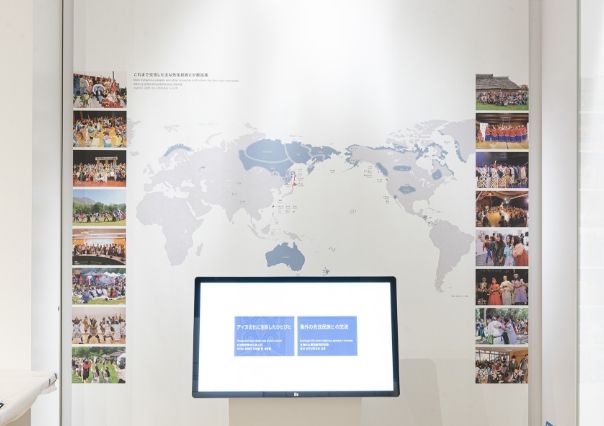
After passing through the Observation Deck overlooking Lake Poroto, this exhibition introduces peoples from around the world, with the Ainu among them.
aekirusi
Plaza Exhibition
The plaza-style layout of the exhibition allows visitors to explore freely from the central area. A collection of outstanding works is displayed in the center of the permanent exhibition room to allow visitors to gain an immediate insight into Ainu culture and artistry. This gives visitors the freedom to delve deeper by heading to the themed exhibitions and gain a fuller understanding of the elements of interest to them.
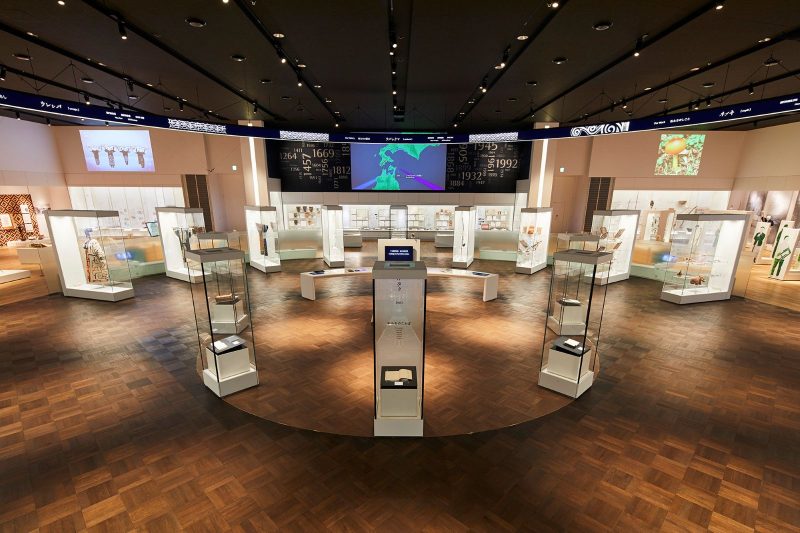
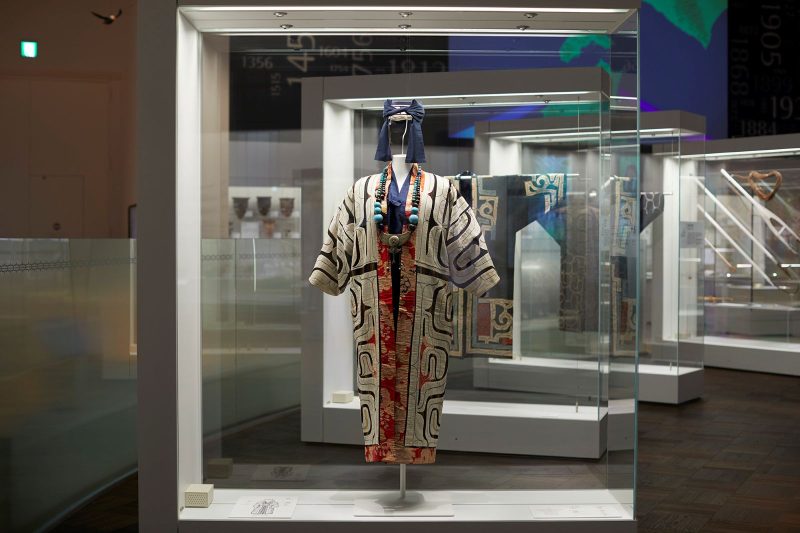
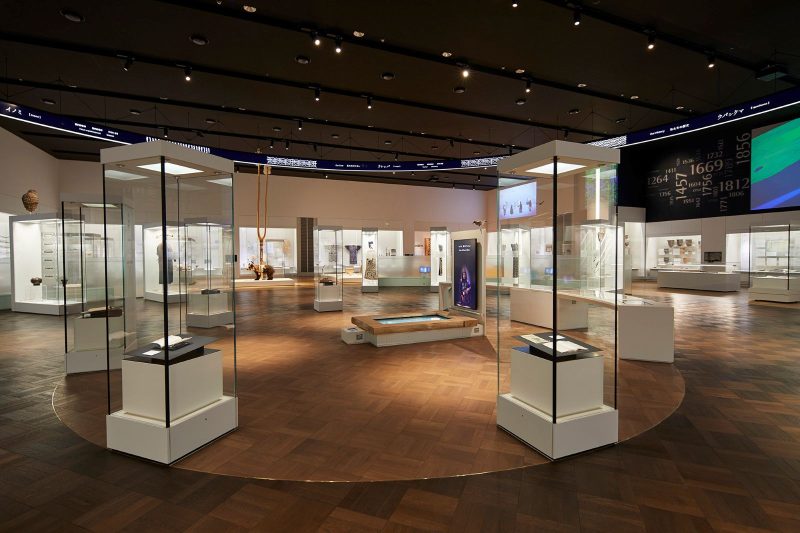
Six themes from the perspectives of the Ainu
The permanent exhibition introduces the Ainu language, history and culture from the perspectives of the Ainu. The Ainu are an indigenous people to Hokkaido, Sakhalin, Tohoku and the Kuril Islands, and the exhibition spans the history of humankind in the region from 30,000 years ago to the present day. Visitors can experience the Ainu language from a range of linguistic traditions based in different areas through writing on signs and panels and the audio guides available for rental. A smartphone
app incorporating the audio guide is also scheduled for release.
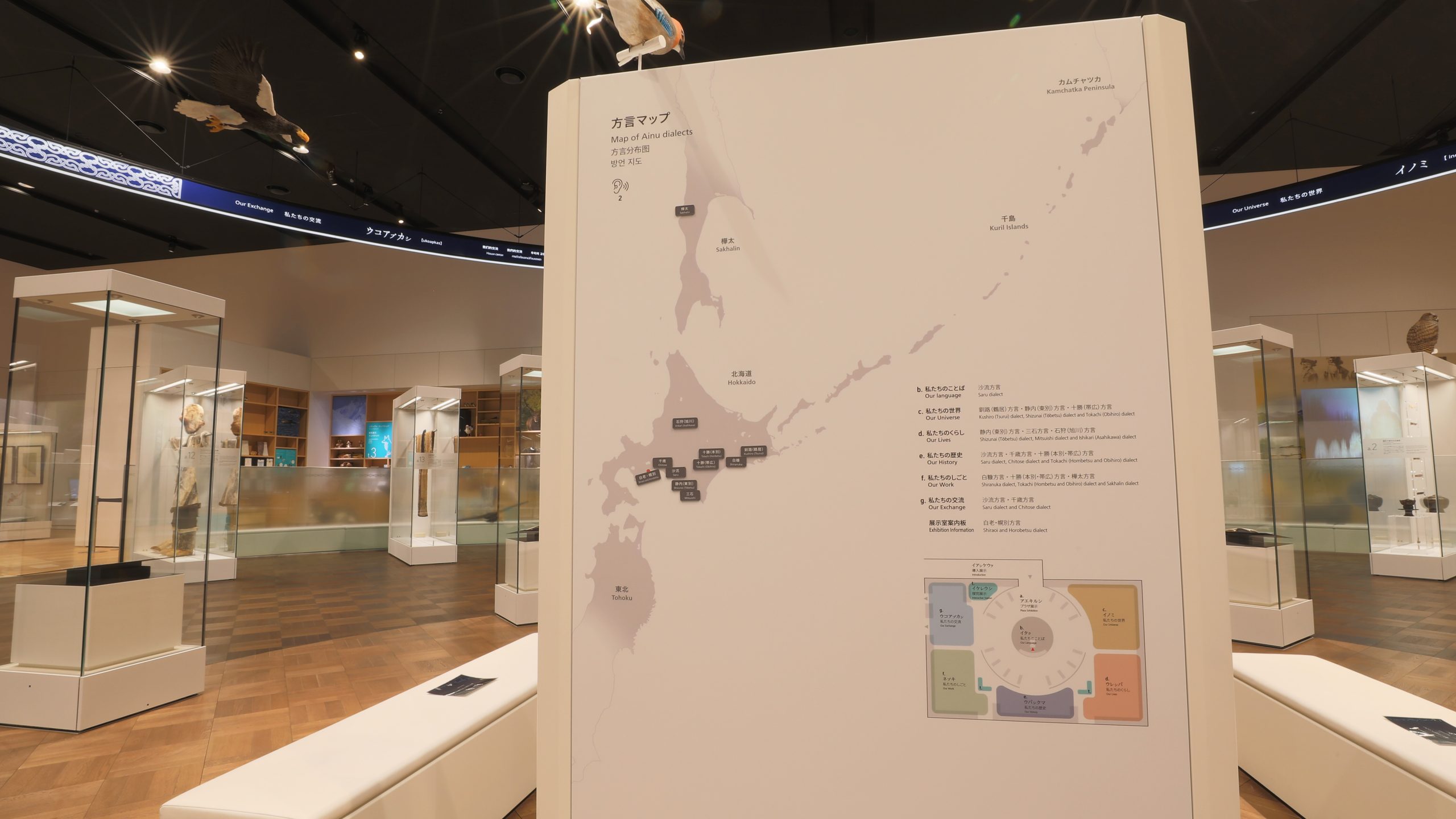
Permanent Exhibition Room MAP
itak
Our Language
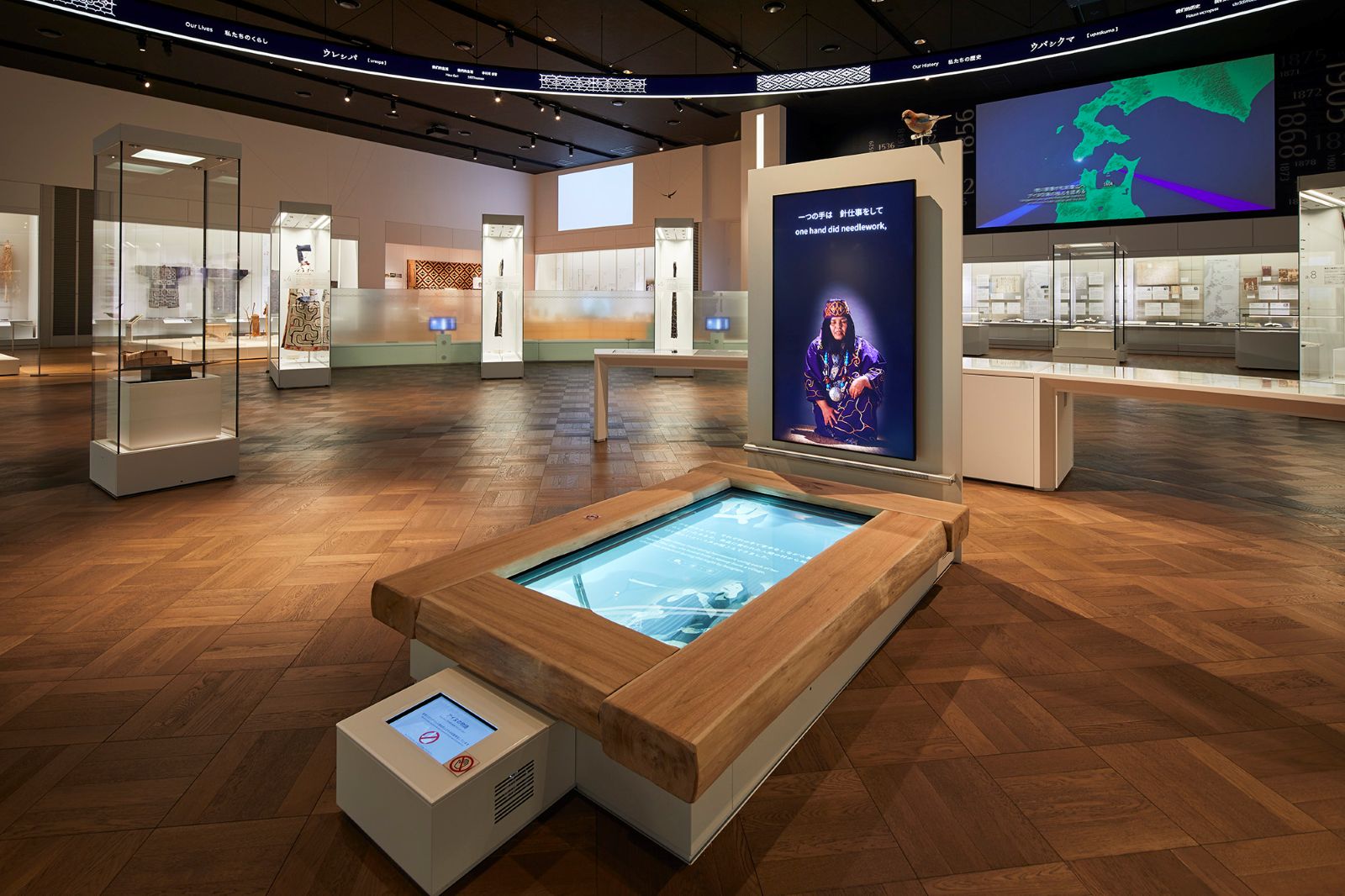
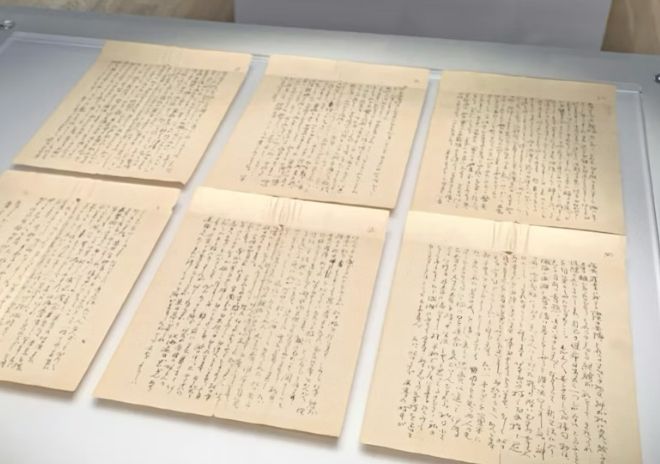
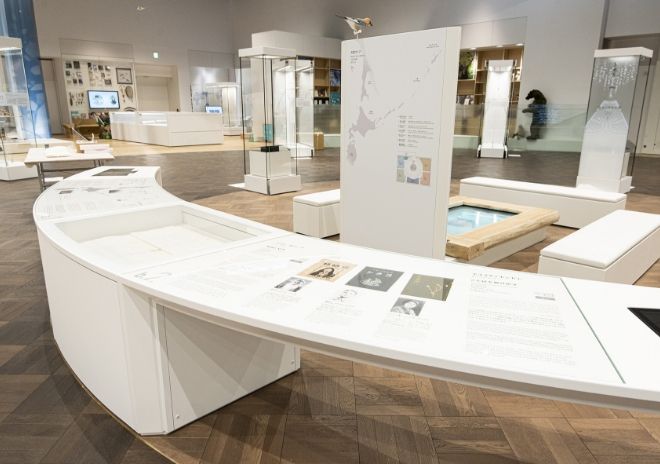
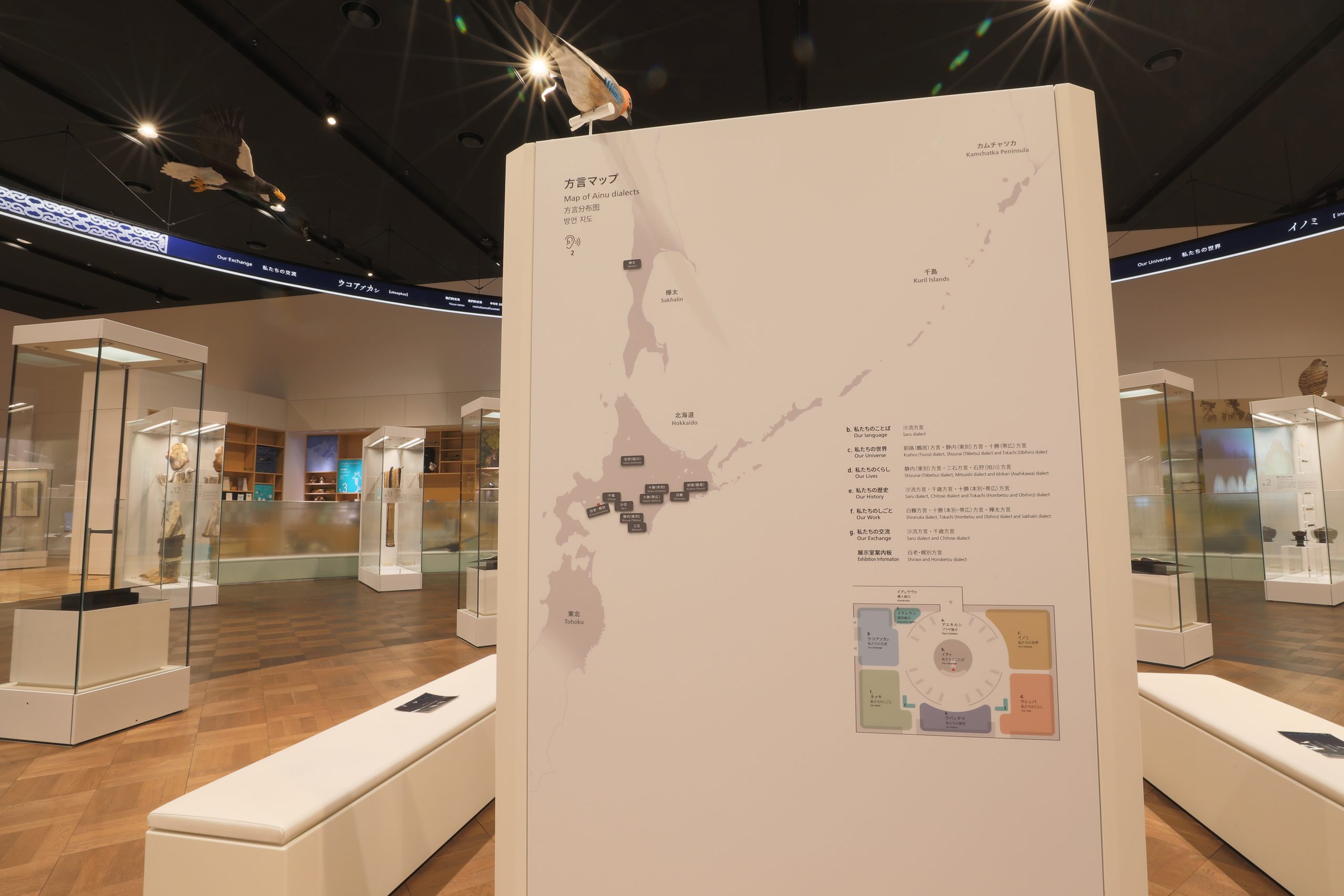
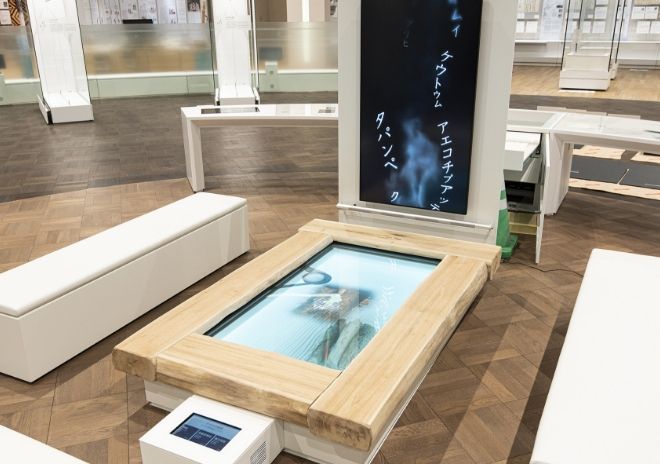
Learn about the Ainu language through stories, place names and current initiatives to promote its use. The exhibition gives visitors the opportunity to hear Ainu as if they were sitting around a hearth, play games to learn pronunciation and word order, and watch videos about place names and conversational Ainu.
inomi
Our Universe
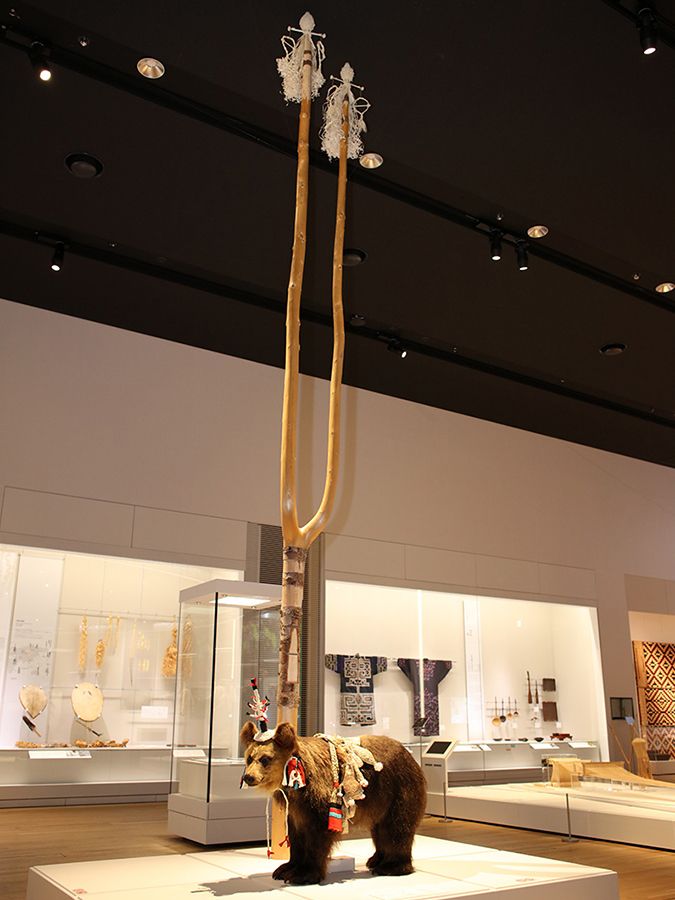
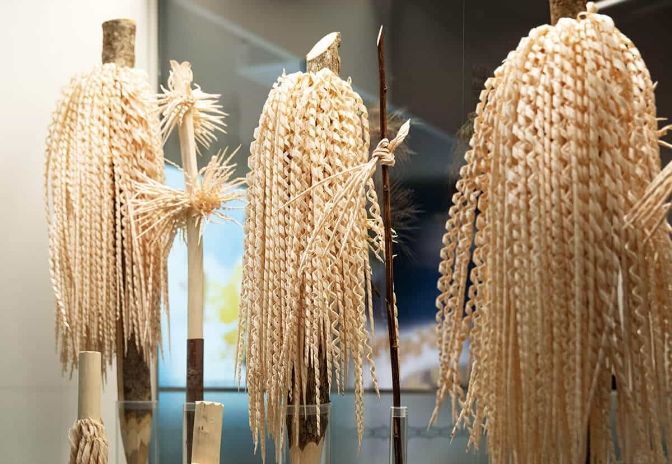
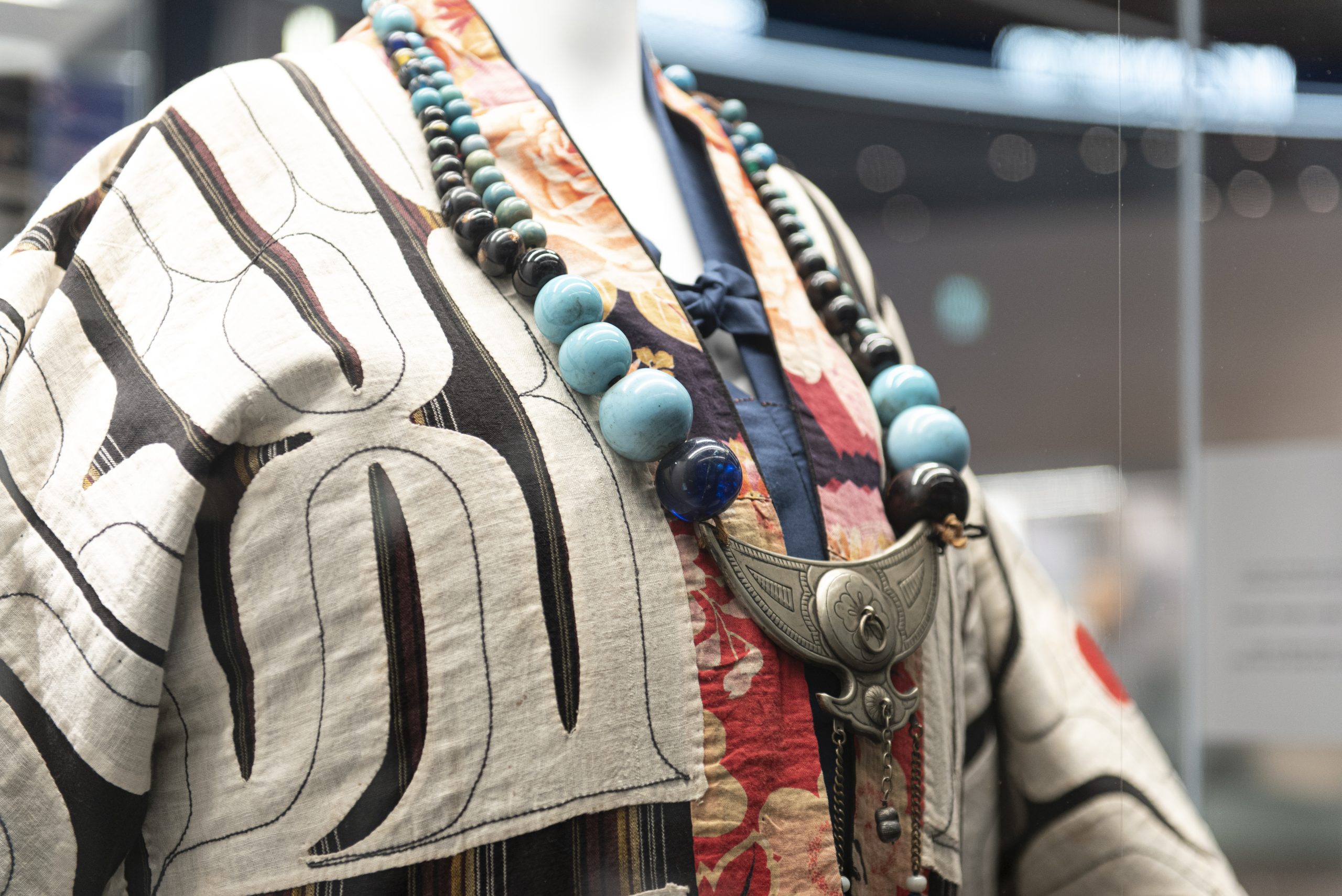
Spirituality is a central aspect of Ainu culture. The exhibition includes graphics illustrating the Ainu belief that ramat (spirits) exist all around us. Various artefacts relating to a range of Ainu rituals are also on display, such as a 6m-long wooden pole used to hold bears during the iyomante ritual from Sakhalin.
urespa
Our Lives
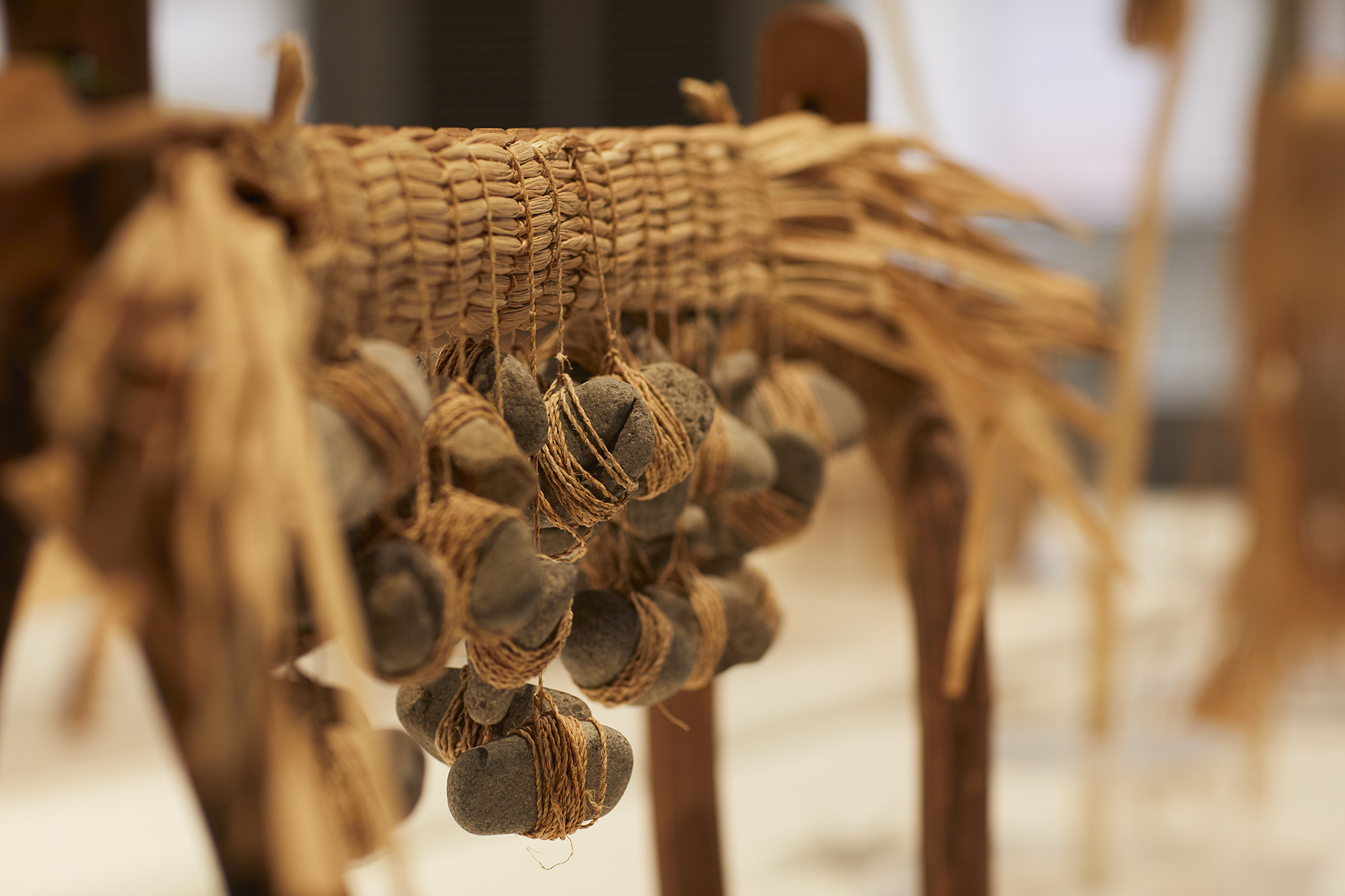
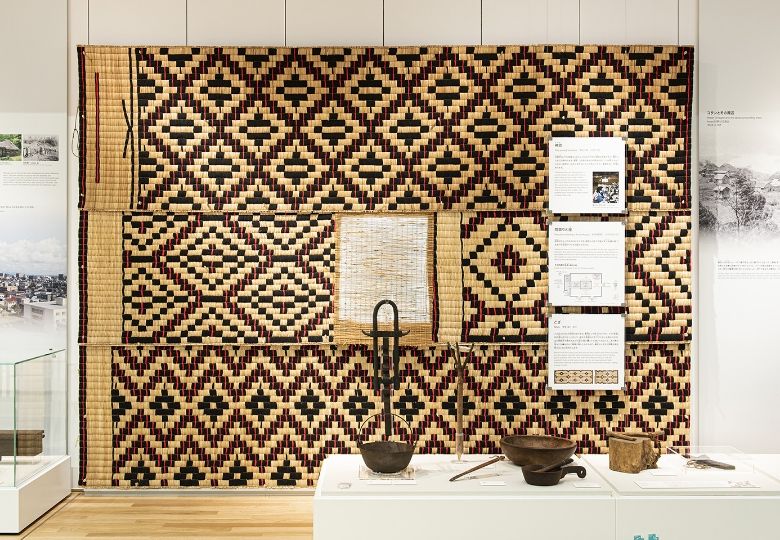
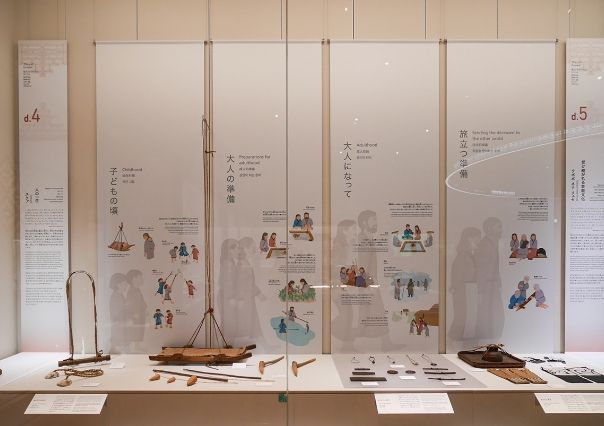
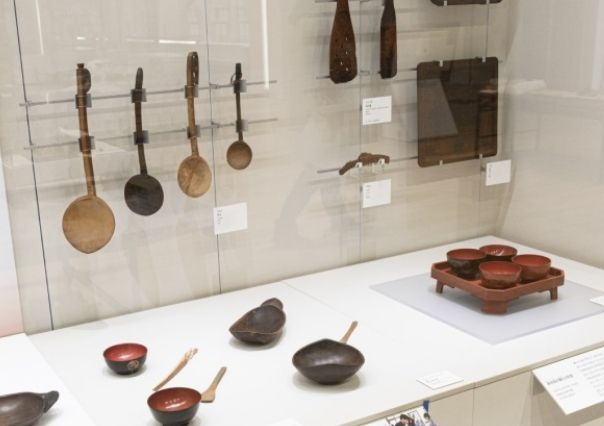
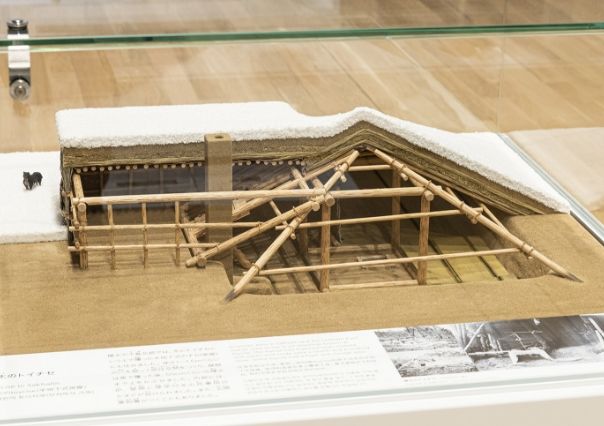
Discover the Ainu way of life through tools and videos relating to dress, cuisine, lodgings, music, dance and children’s games. The exhibit contains demonstrations of traditions that have been passed down through the generations, including making thread from bark stripped from Manchurian elm and an actual loom.
upaskuma
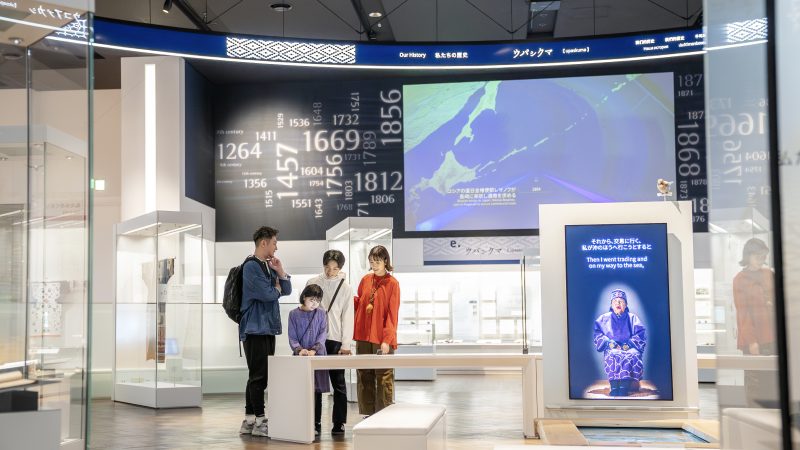
Our History
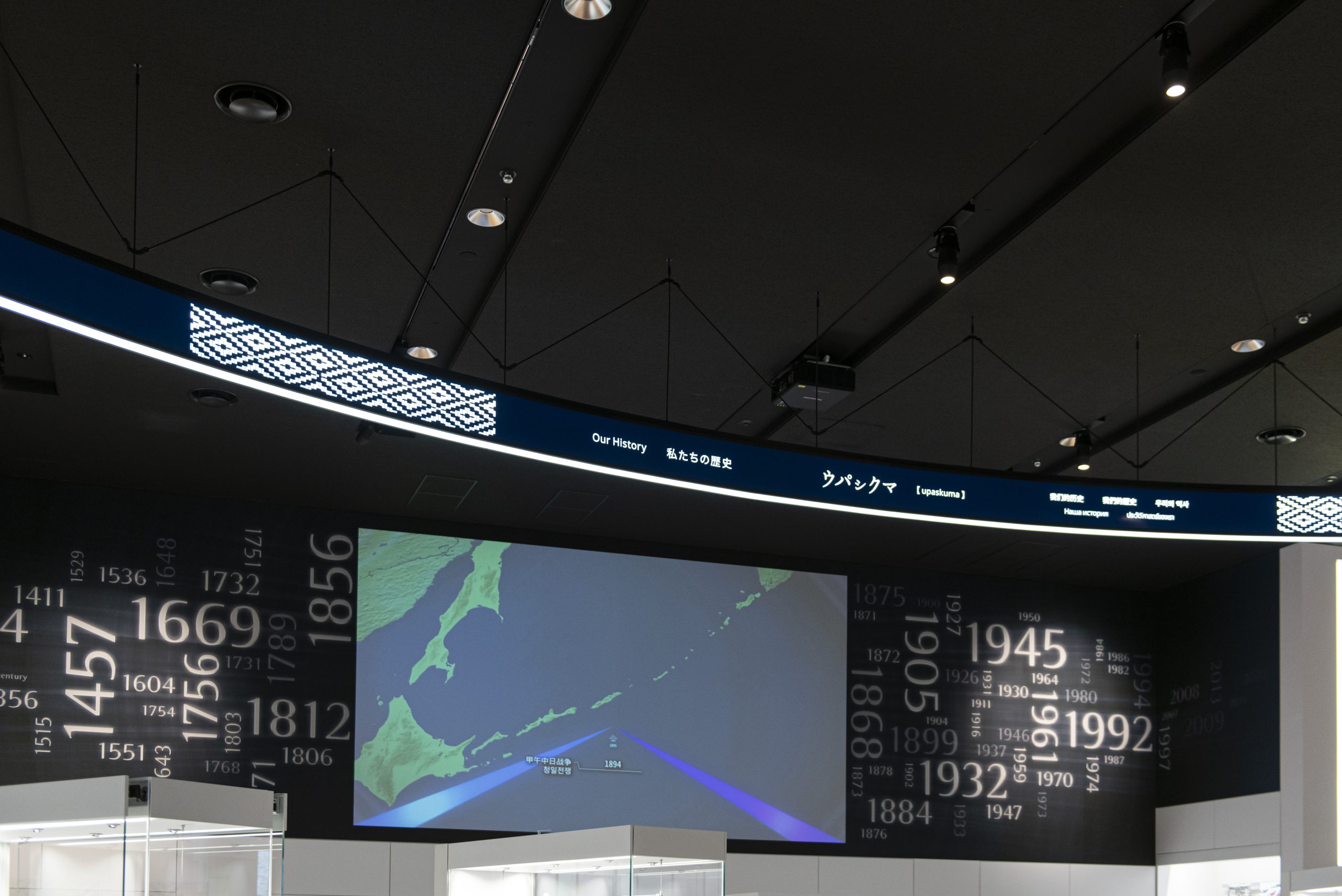
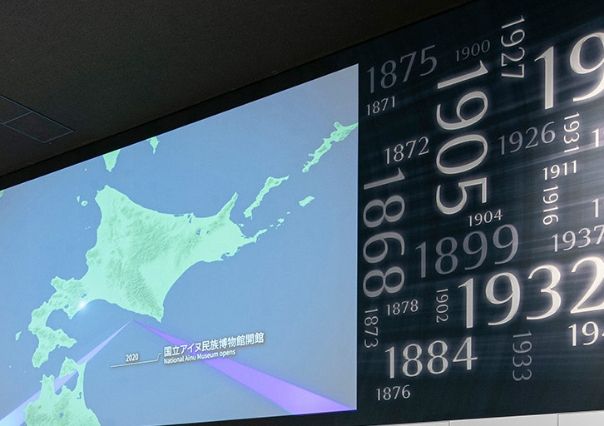
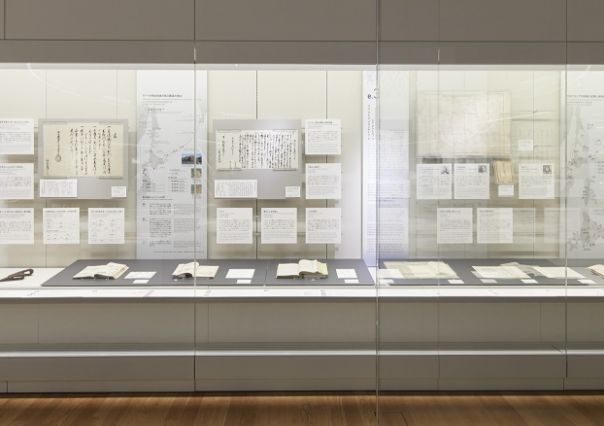
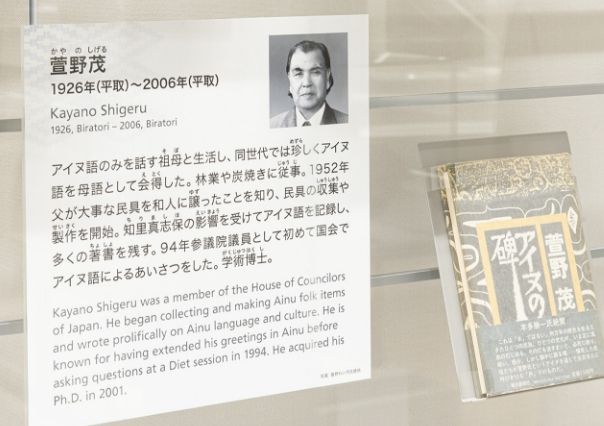
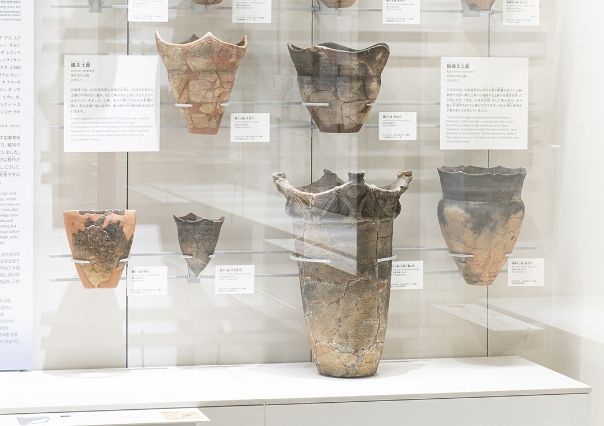
This area tells the story of the Ainu through their own history and the evidence left by peoples in surrounding regions. In the exhibition, the upper section of the wall displays a chronology of major events in the history of the Ainu people together with related maps.
nepki
Our Work
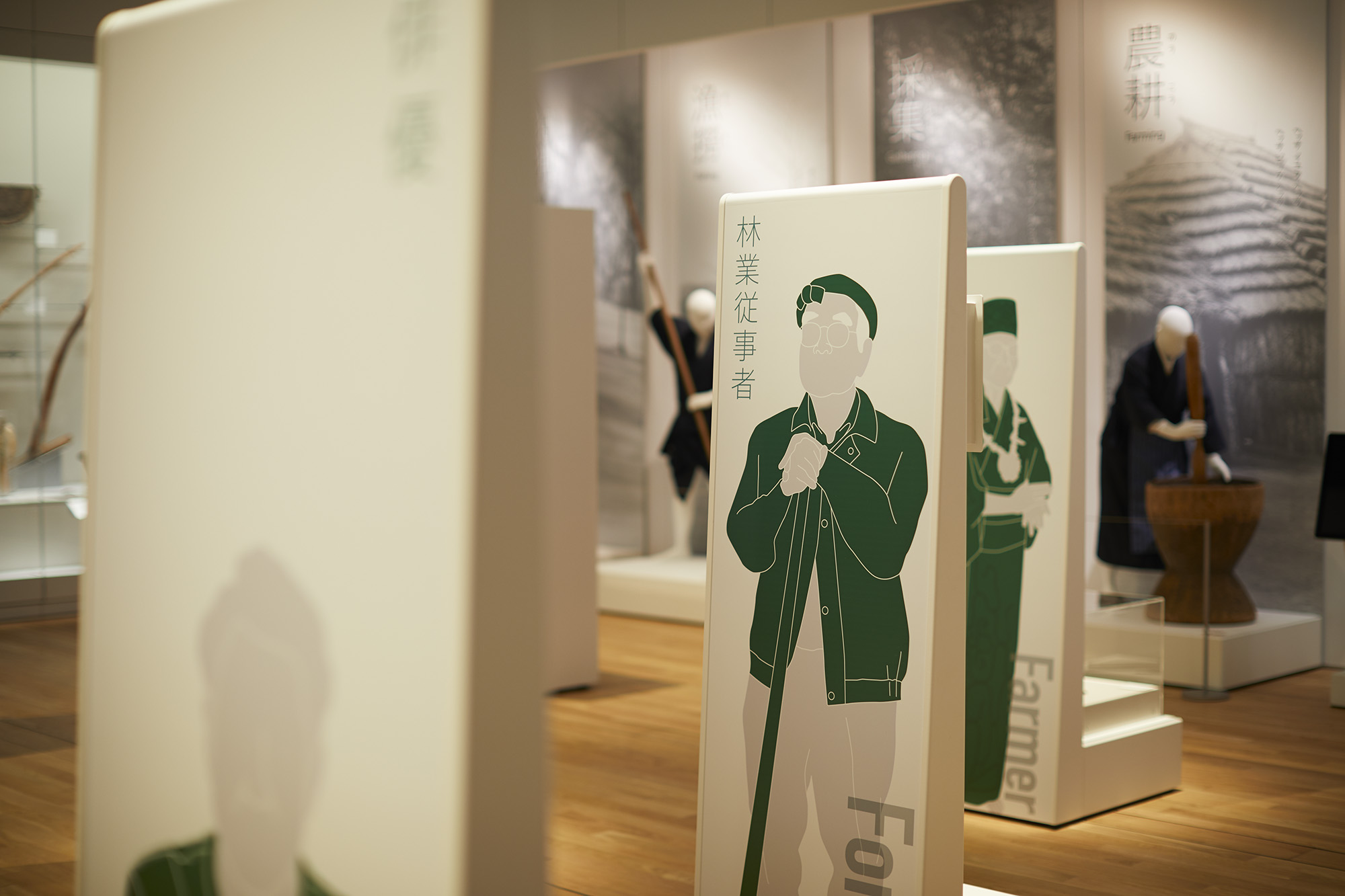
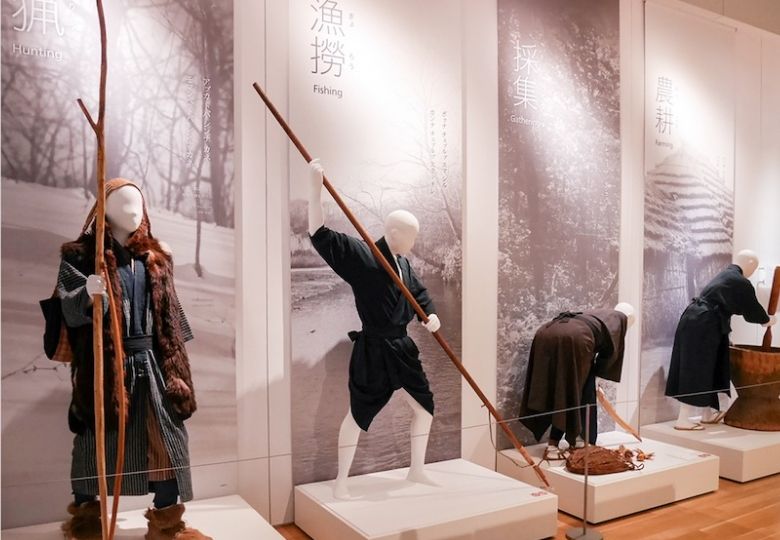
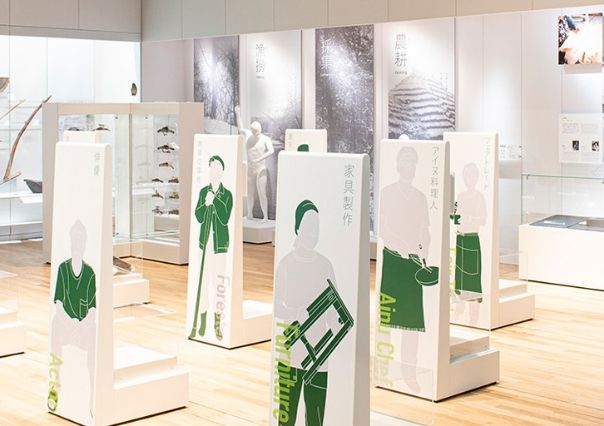
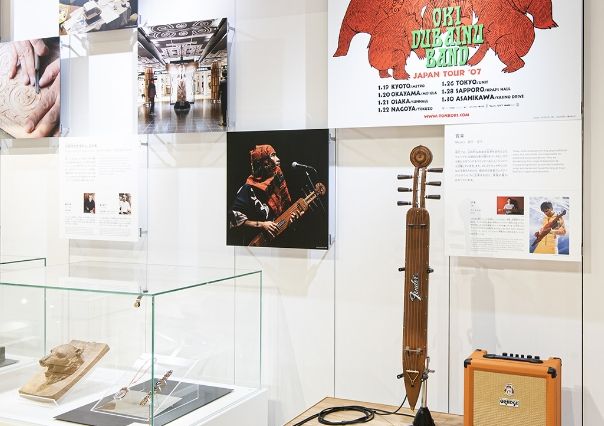
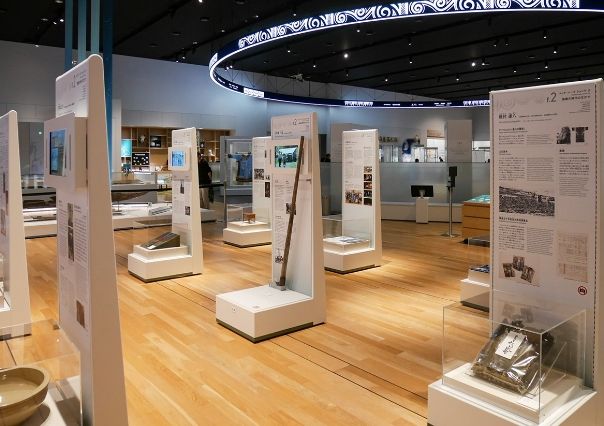
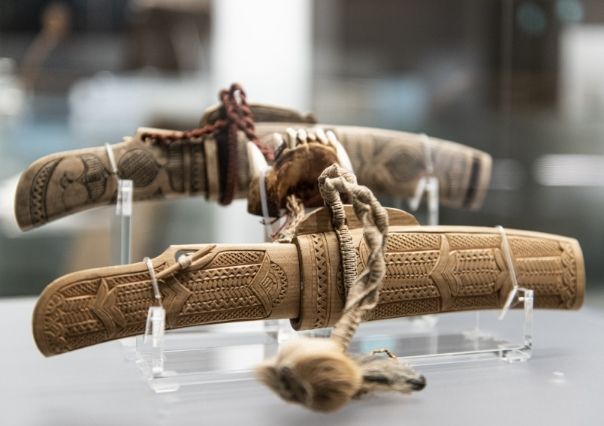
Learn about the past and present work of the Ainu. The first half of the exhibition introduces tools and techniques used in hunting, fishing, farming and gathering and an area showing how these tasks change throughout the year. The second half covers work and crafts that have been around since the Meiji Era (1868-1912). Examples of tools and works help to illustrate the work that Ainu people engage in today.
ukoapkas
Our Exchange
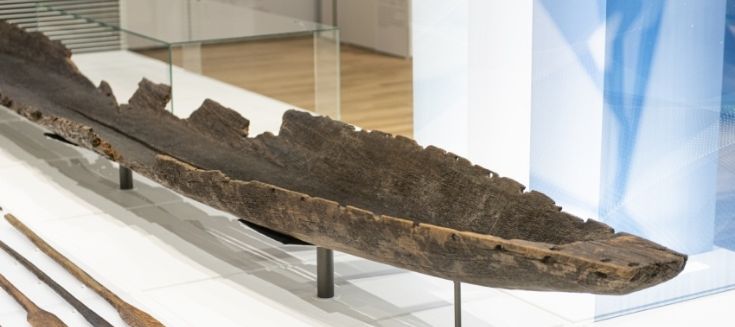
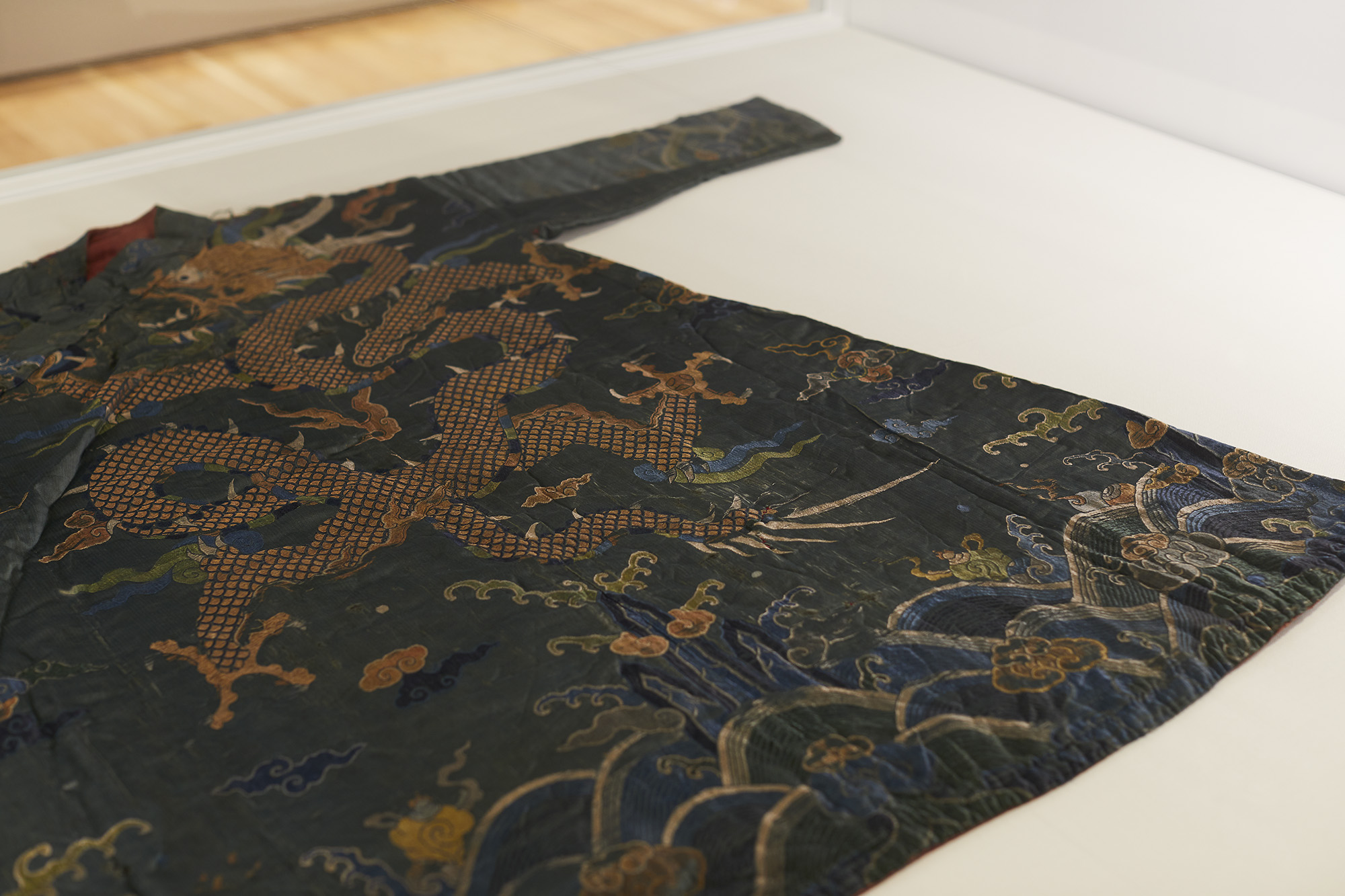
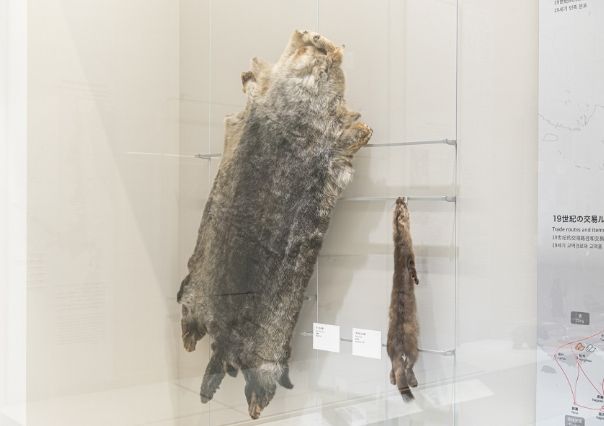
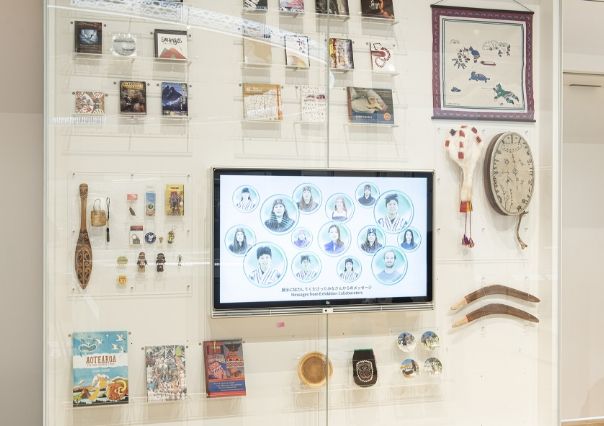
See how the Ainu have engaged in exchanges with the peoples around them throughout history. The most striking part of the exhibition is the itaomacip (oceangoing boat) discovered at Lake Akkeshi in Hokkaido. After being cleaned in Akkeshi Town, it was transported to Shiraoi Town, where it received more meticulous cleaning and repairs before being exhibited.
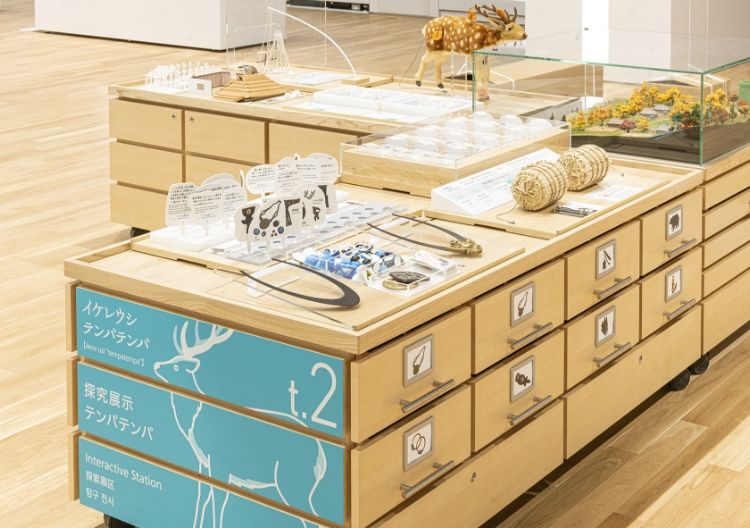
ikere usi “tempatempa”
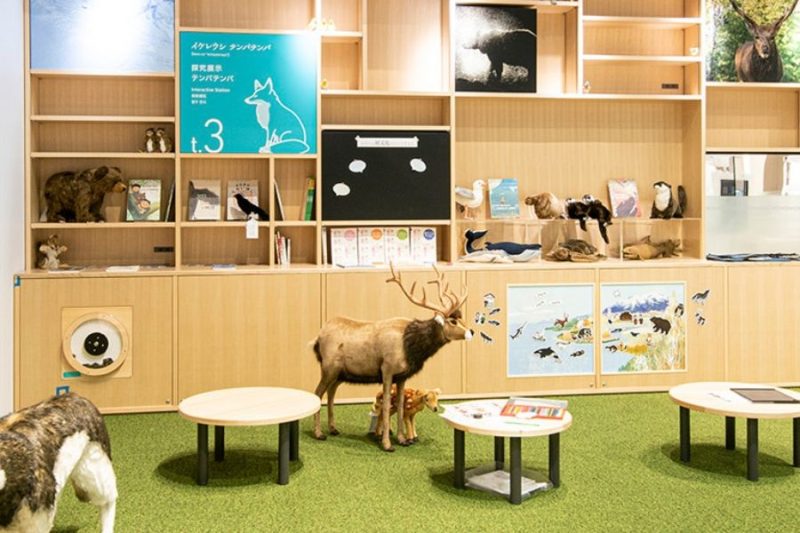
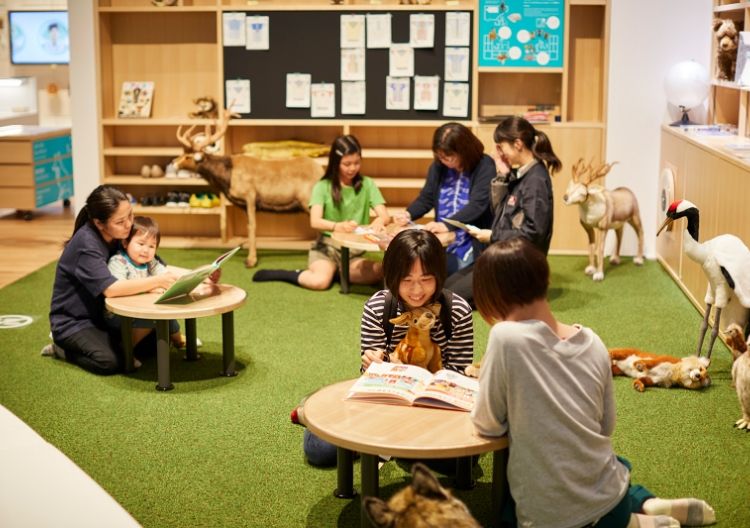
Interactive Station “tempatempa”
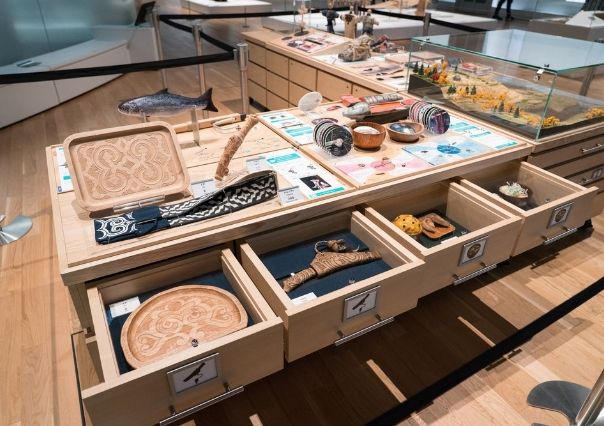
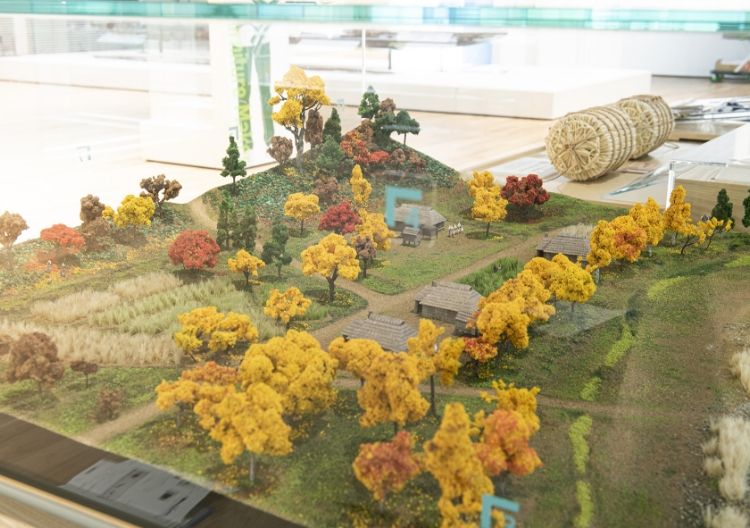
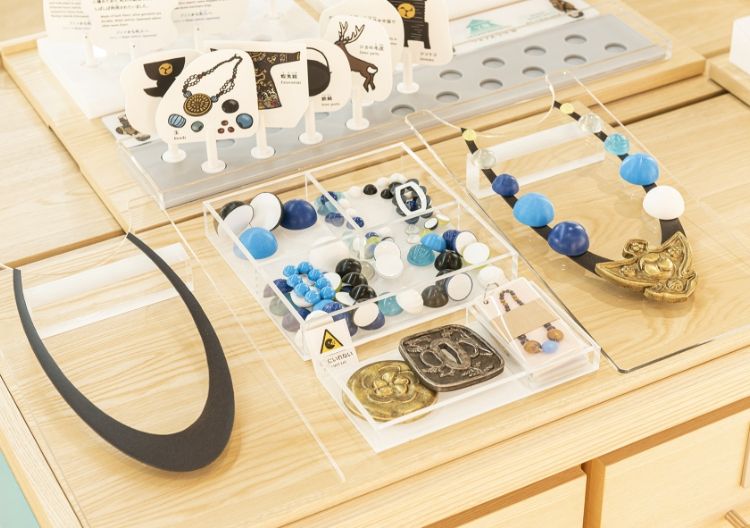
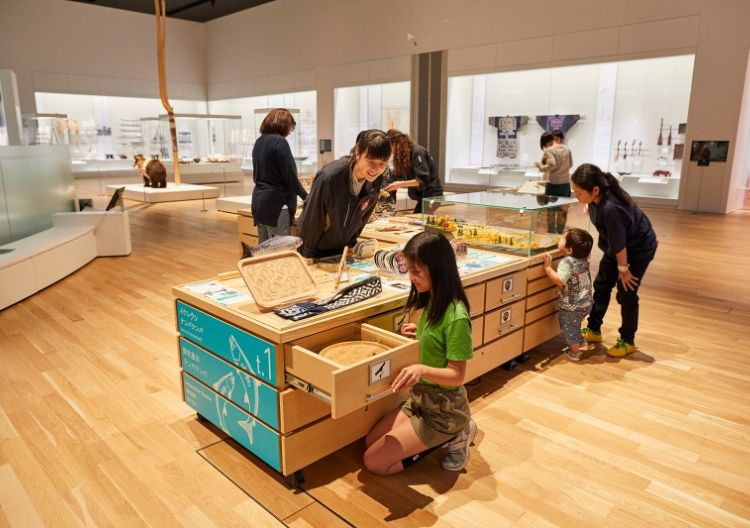
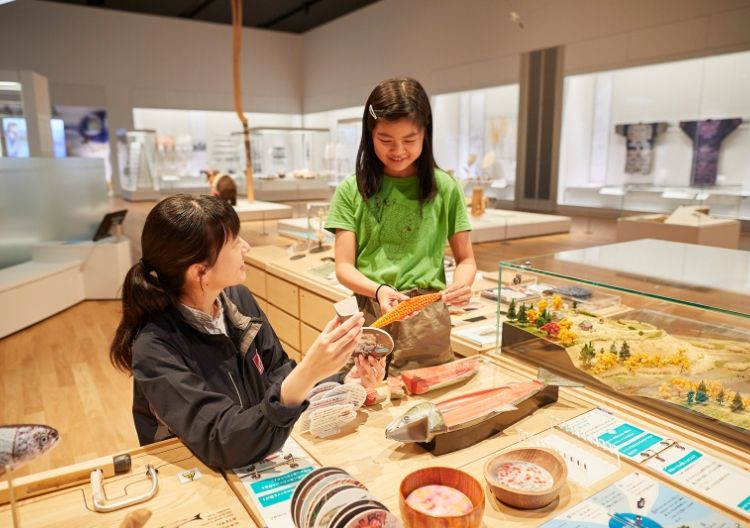
Tempatempa is an Ainu word meaning “Touch and feel them.” These interactive exhibits introduce children and adults to Ainu culture through 18 learning tools and kits based on the six exhibition themes, including dioramas, models, tamasay (necklaces) and 3D puzzles of salmon and deer. They are designed to help deepen visitors’ understanding of the exhibits in the permanent exhibition and of Ainu culture.
今期のみどころ
基本展示室では、資料の保護や最新の研究成果、新規の収蔵資料等を紹介するため、定期的に展示替えを行っています。最新の展示替え資料の中から、みどころ資料をご紹介します。
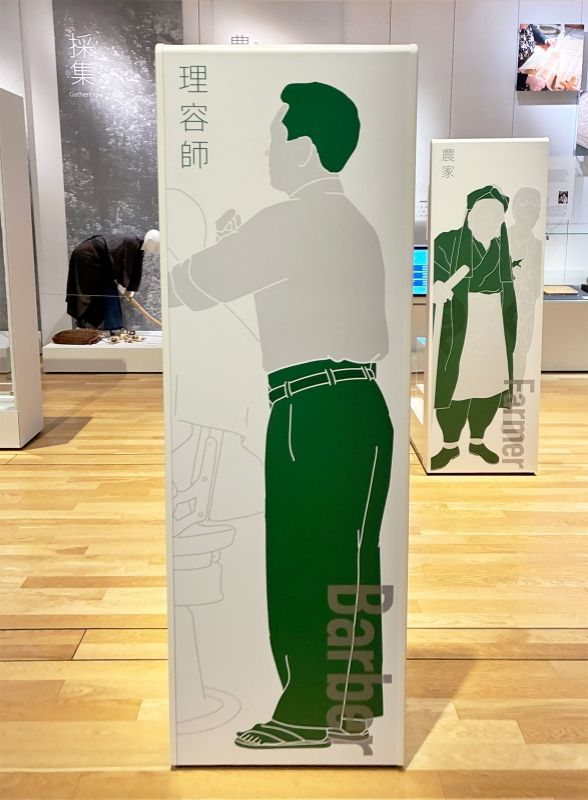
理容師 違星啓蔵
展示期間
2025年12月2日〜
展示場所
私たちのしごと
資料名
はさみ、かみそり、砥石
資料について
現在の北海道余市町に生まれた違星啓蔵(1914~1979)は、歌集『コタン』を遺した違星北斗の甥で、後に美唄市で理美容室を経営した人物です。ご遺族から情報提供をいただき、生い立ち、理容師としての活躍、娘2人から見た父親の思い出などを紹介しています。生前の啓蔵は、被差別体験のため、アイヌであるというルーツを表明しなかったのですが、時代を経て遺族が話し合いを重ねた上で協力してくださいました。仕事道具を通して歴史も考えていただきたいと思います。
衣服(樹皮)
展示場所
プラザ
資料名
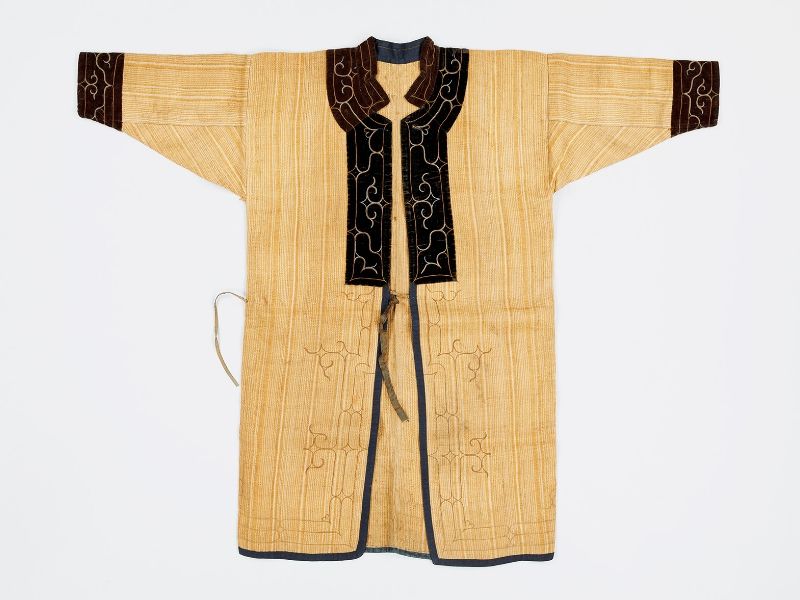
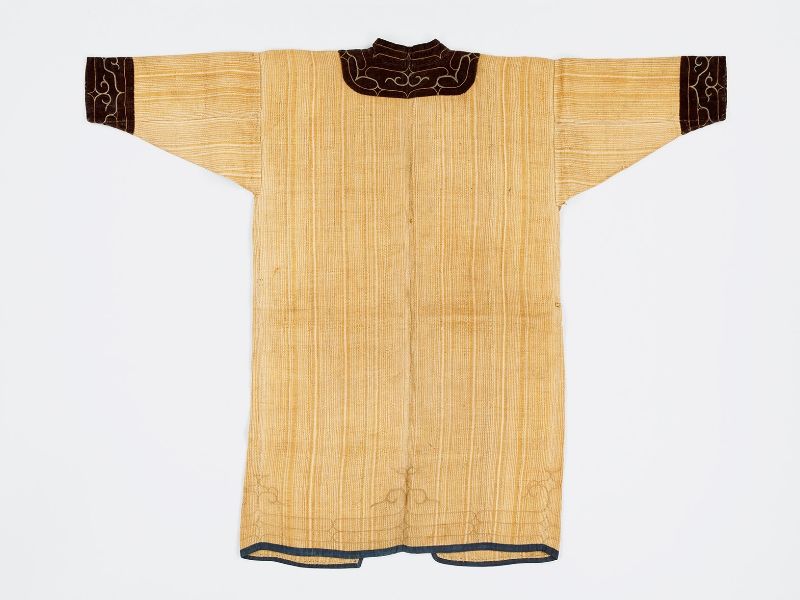
衣服(樹皮)
資料について
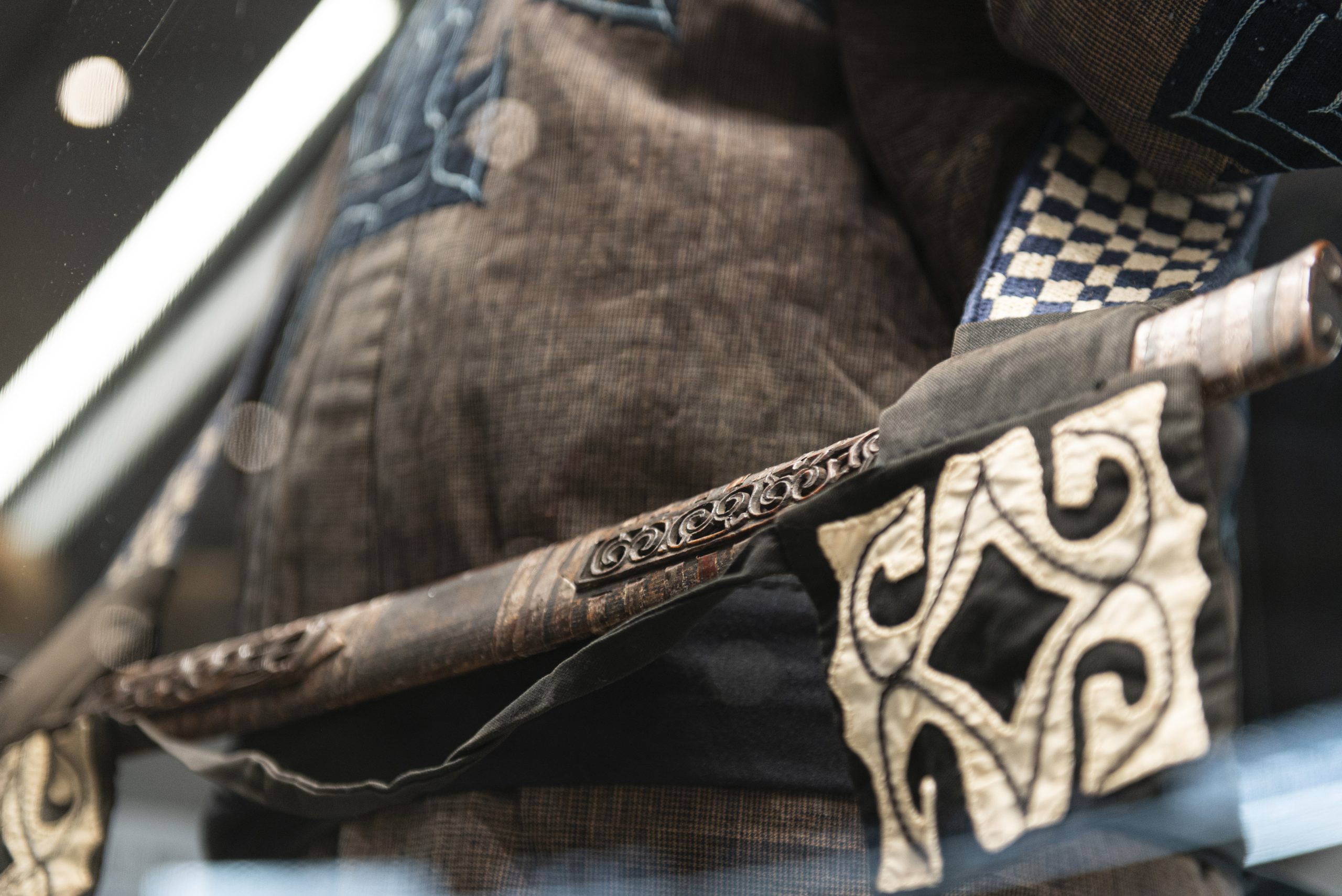
タテ糸に樹皮や草の皮を使って織られた布で作られた衣服です。糸の素材が異なるため、布には縞模様があらわれています。衿と袖口には、黒や茶色のベルベットが使われています。衿や衣服の布には、白や水色の糸で、チェーンステッチの刺繍がほどこされています。ハート形のような文様や、立ち上がった形の衿には、現存例が少ない、樺太アイヌの衣服の特徴が見られます。