
an=ukokor uaynukor mintar
National Ainu Park
An open-air center where you can experience the culture of the indigenous Ainu people
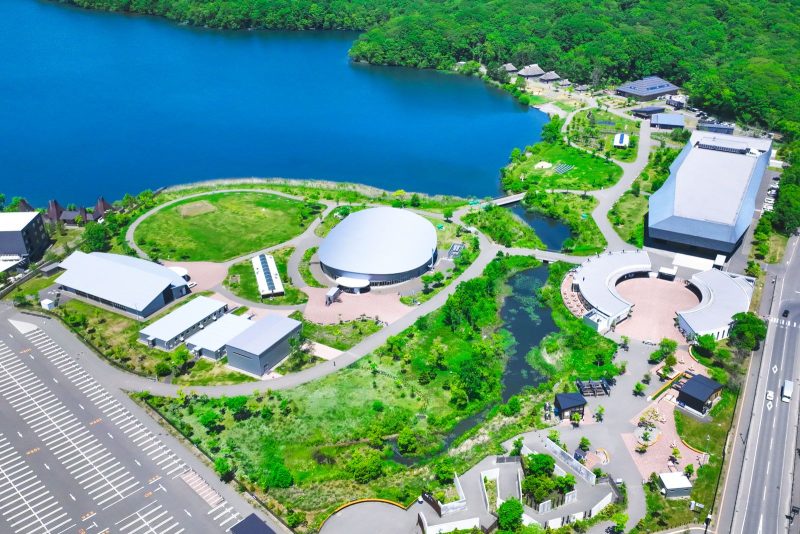
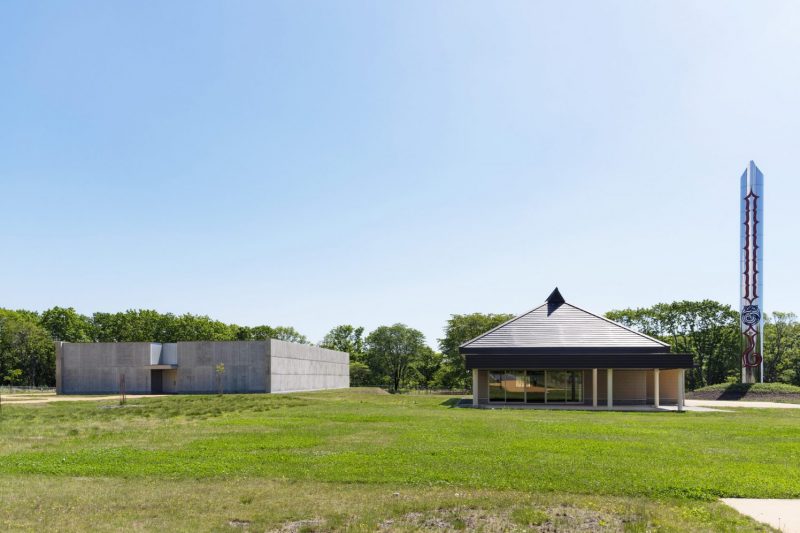
The National Ainu Park is an interactive open-air center where you can experience Ainu culture, which is intrinsically linked to the natural environment. You can watch traditional dances and take part in hands-on activities including performing arts, cooking and crafts. The park is also a space to relax and enjoy the splendor of nature while experiencing Ainu culture.
National Ainu Park
Facility Overview
-
 uekari cise
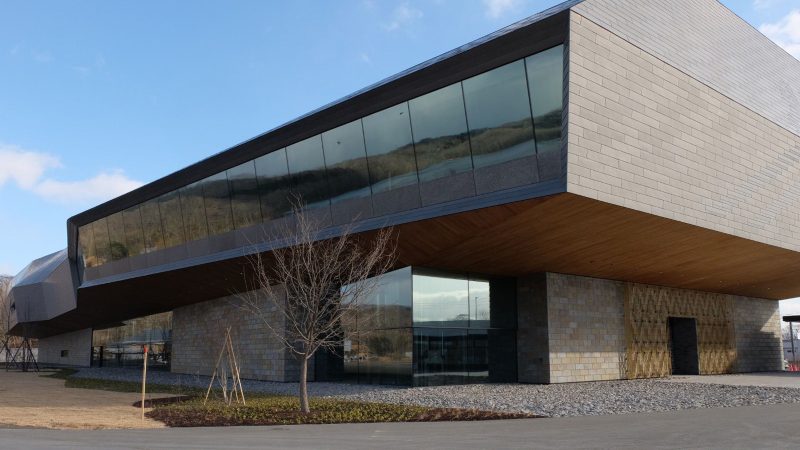
Cultural Exchange Hall -
 kankan
Path to the Ainu Spirit -
 yayhanokkar cise
Workshop -
 Community Space
-
 Archery Space
-
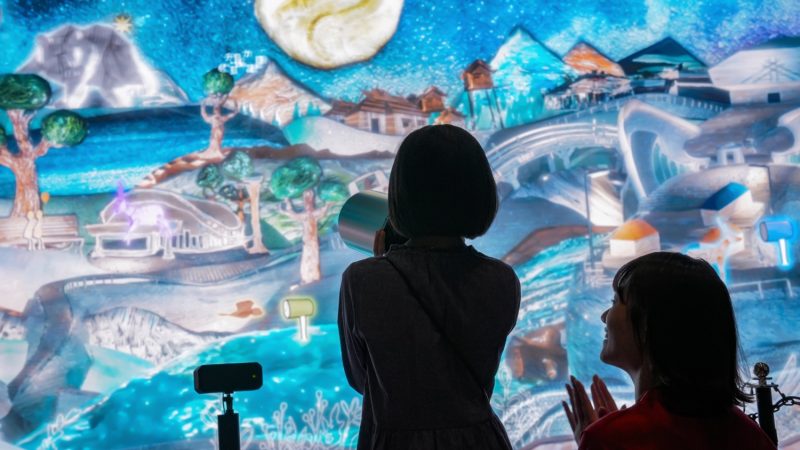 Multi-Purpose Hall
-
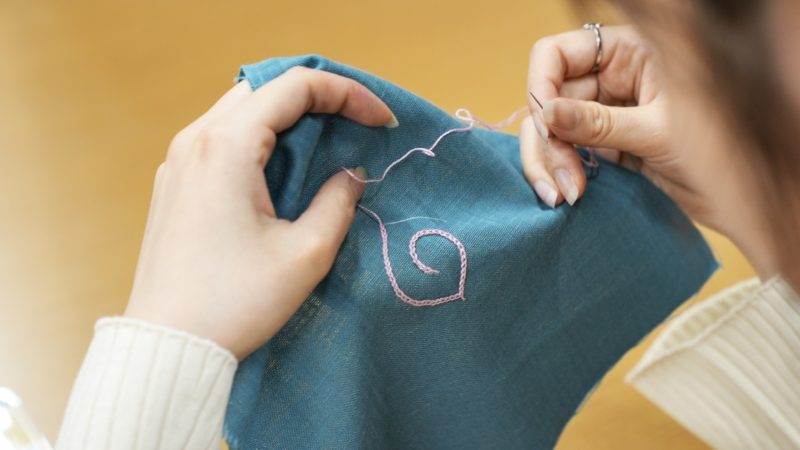 ikar usi
Crafts Studio -
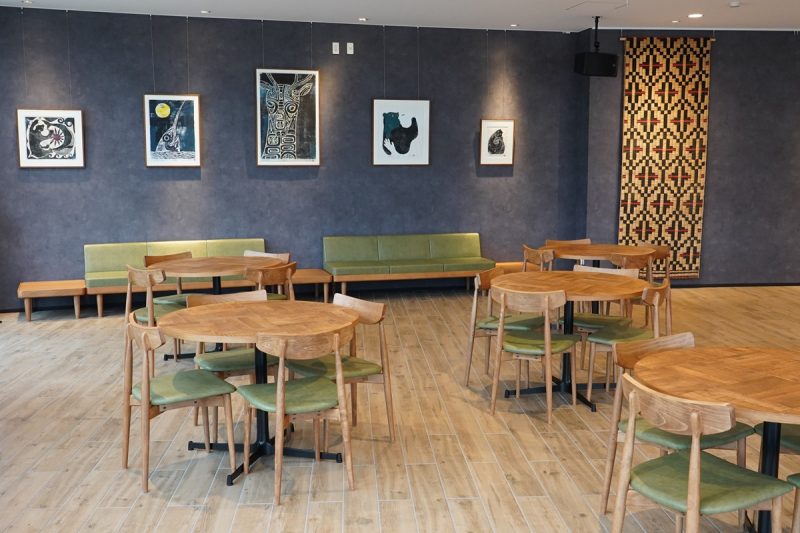 hoski an cise
Entrance Center -
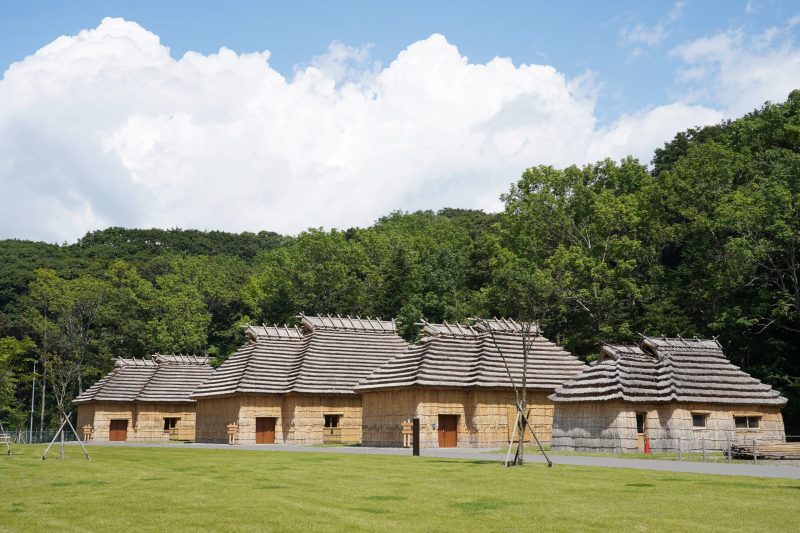 teeta kane an kotan
Kotan(Traditional Ainu Village) -
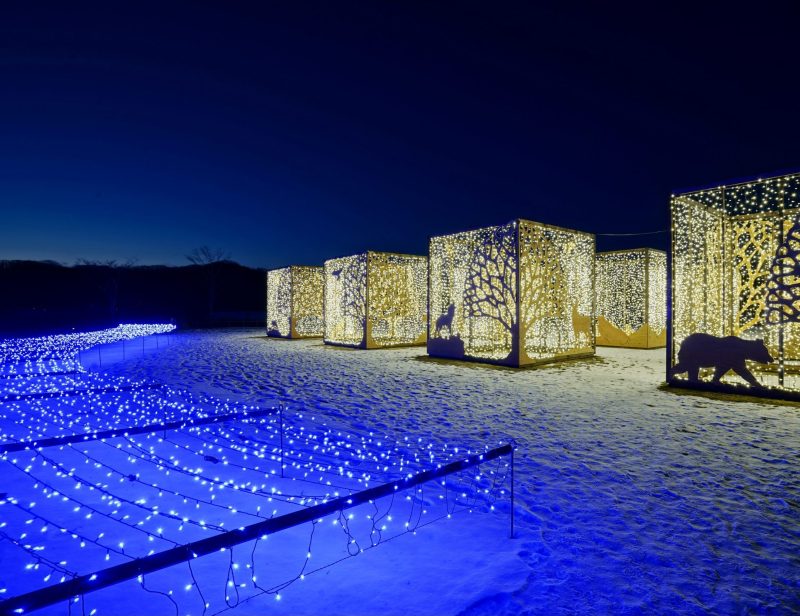 cikisani mintar
Cikisani Square -
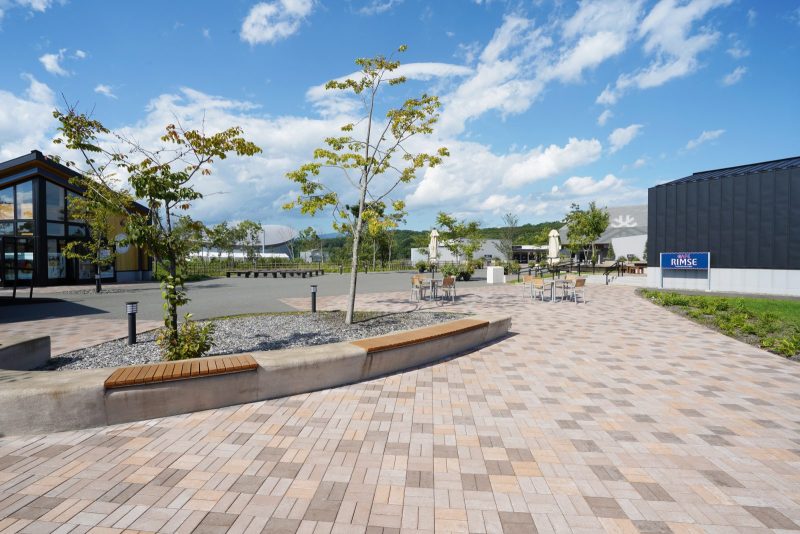 uwerankarap mintar
Gateway Square -
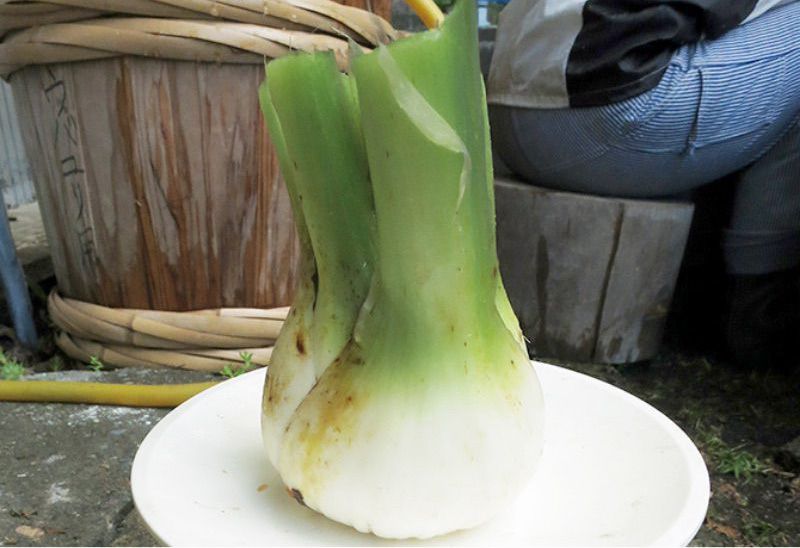 cinumke sirkauspe nukar usi
Specimen Garden
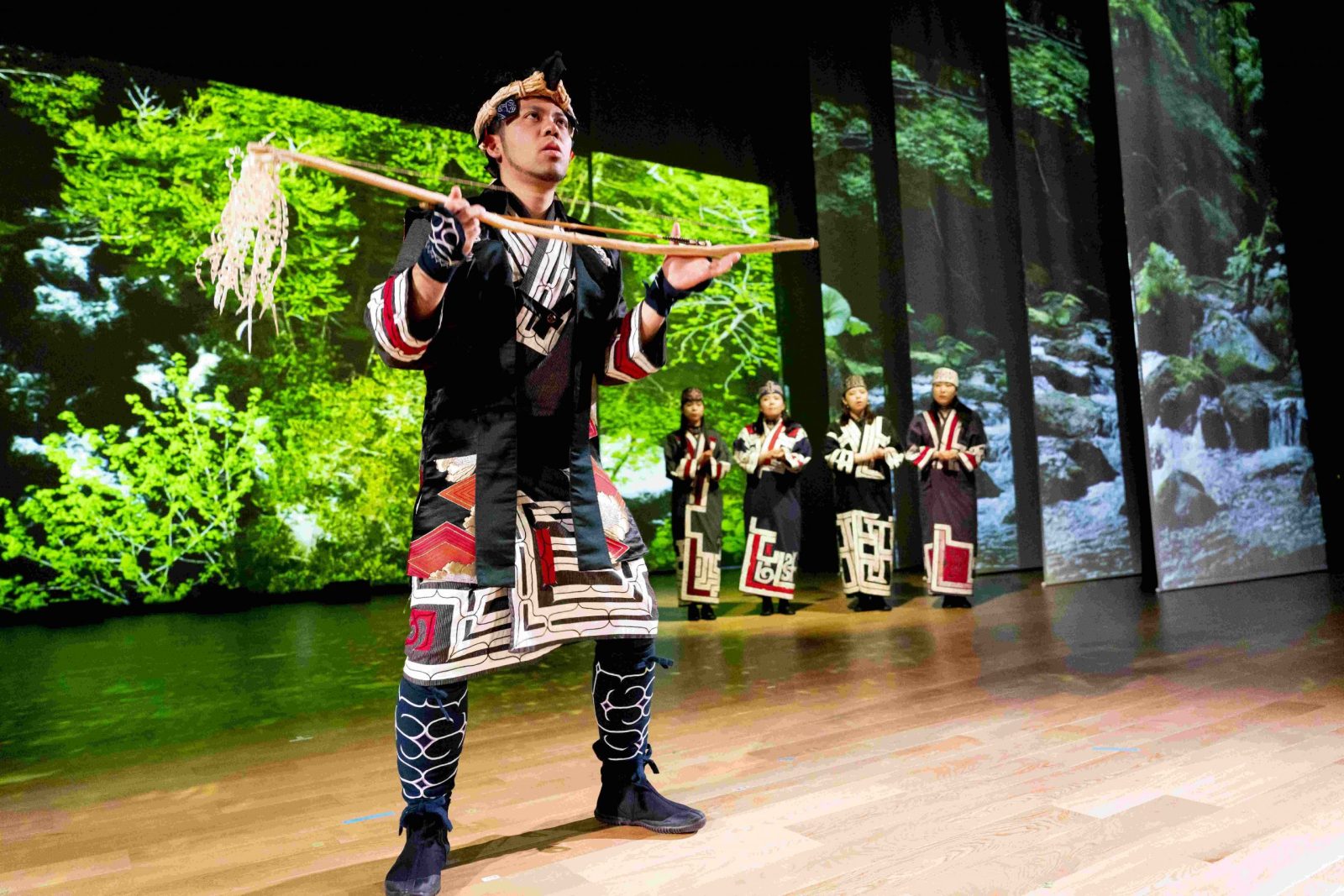
uekari cise
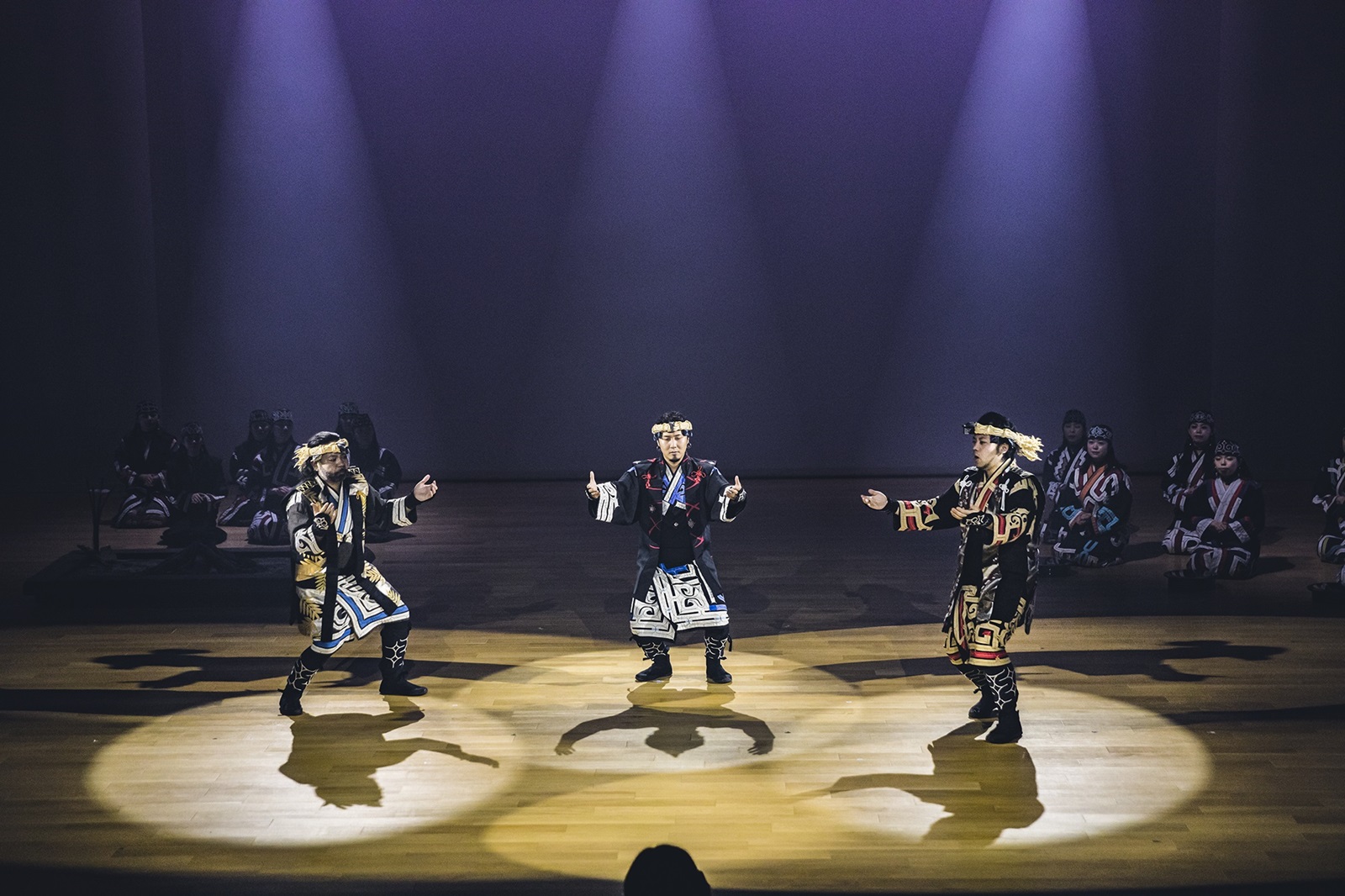
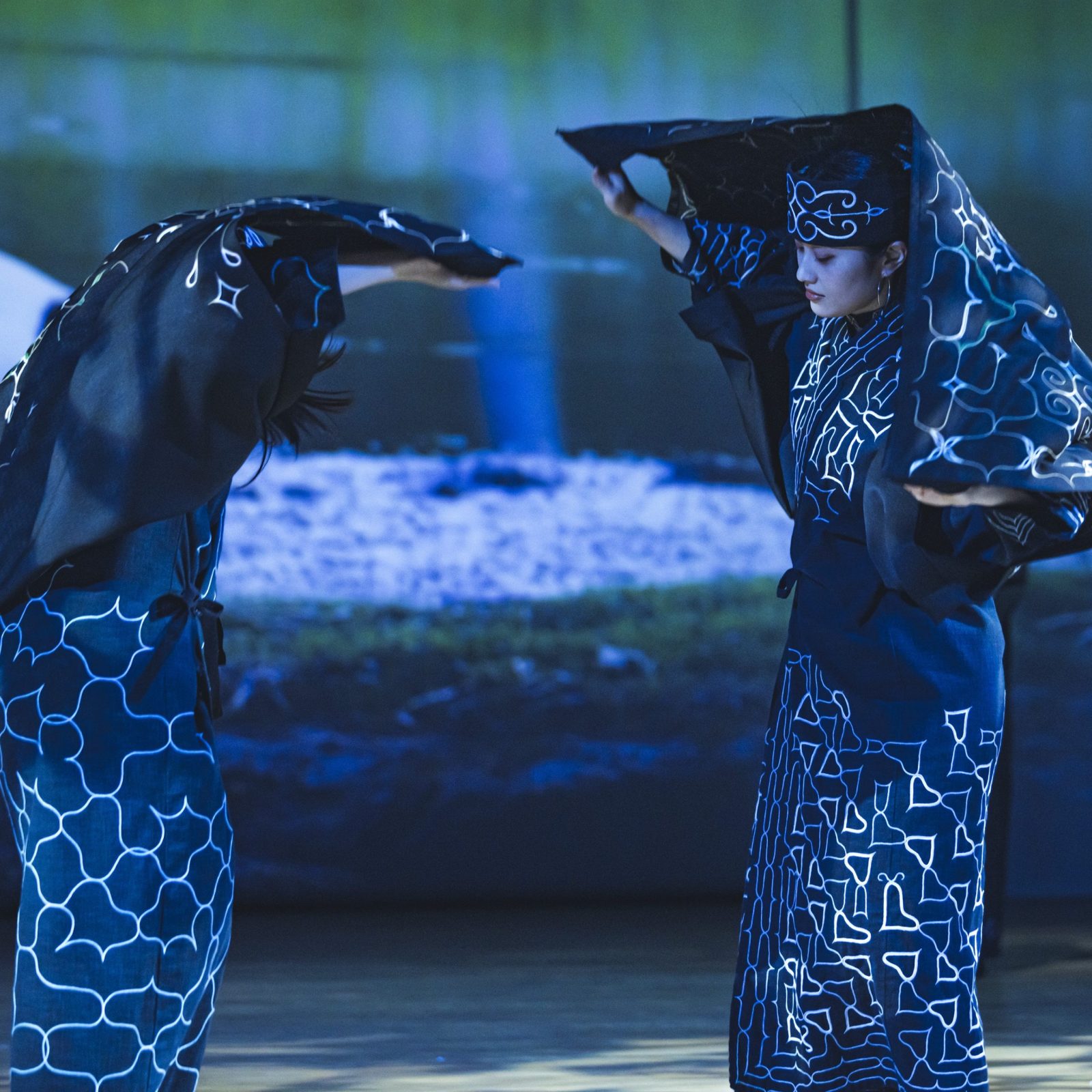
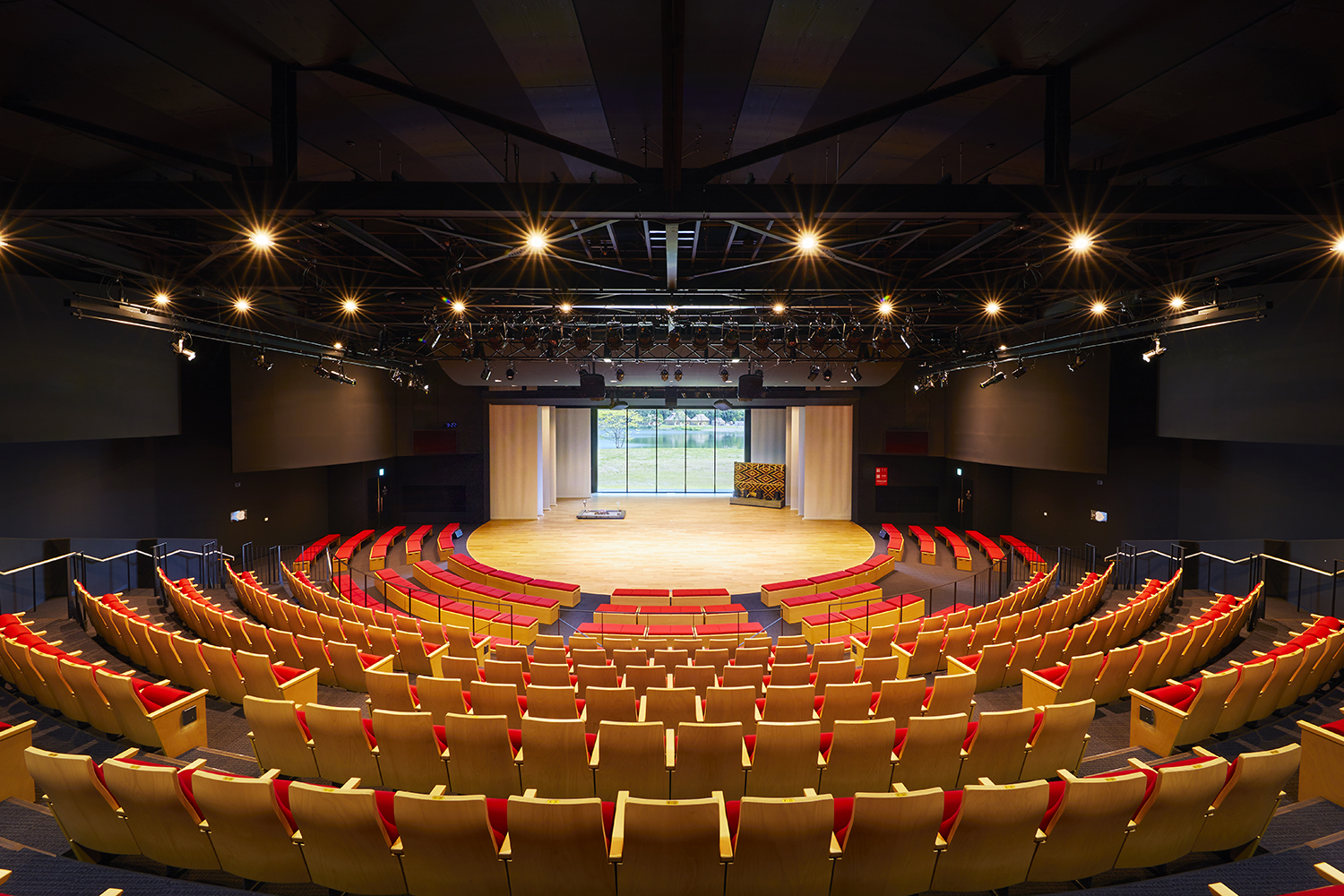
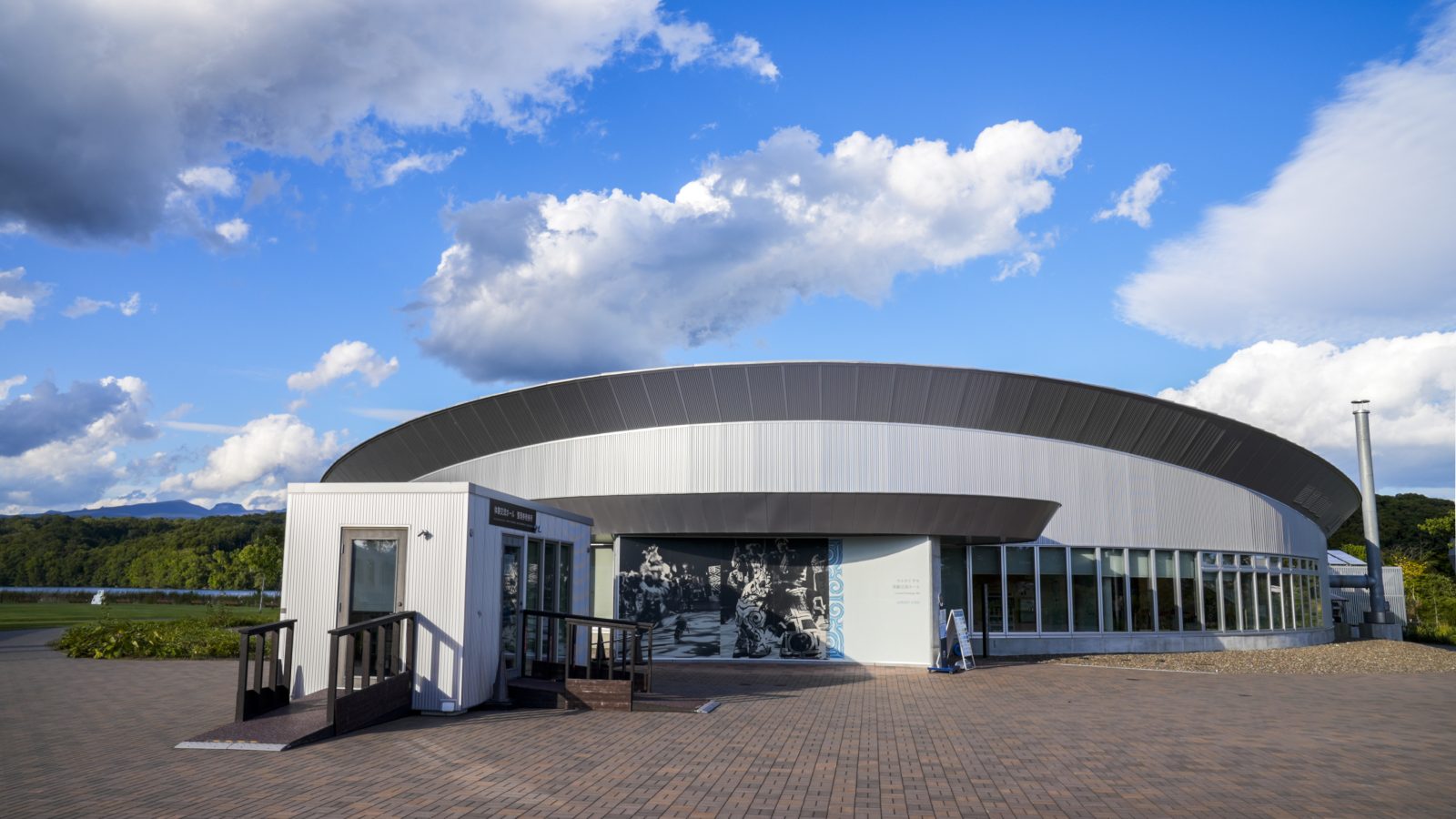
Cultural Exchange Hall




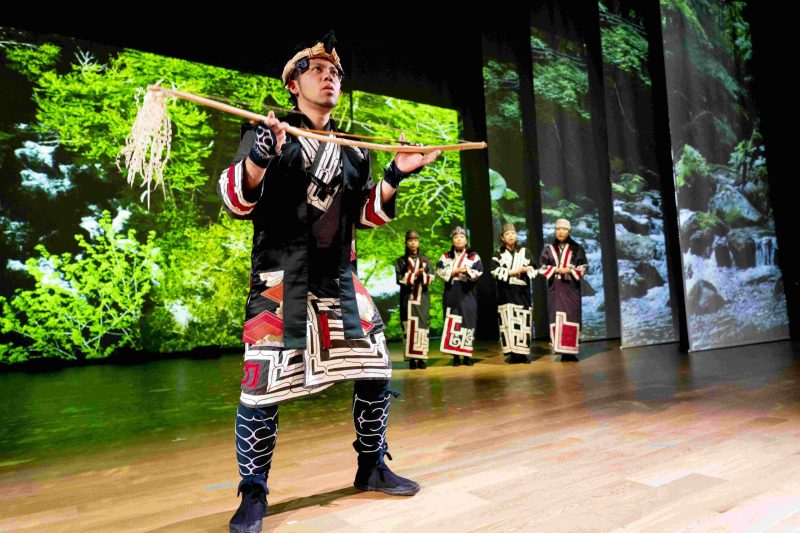
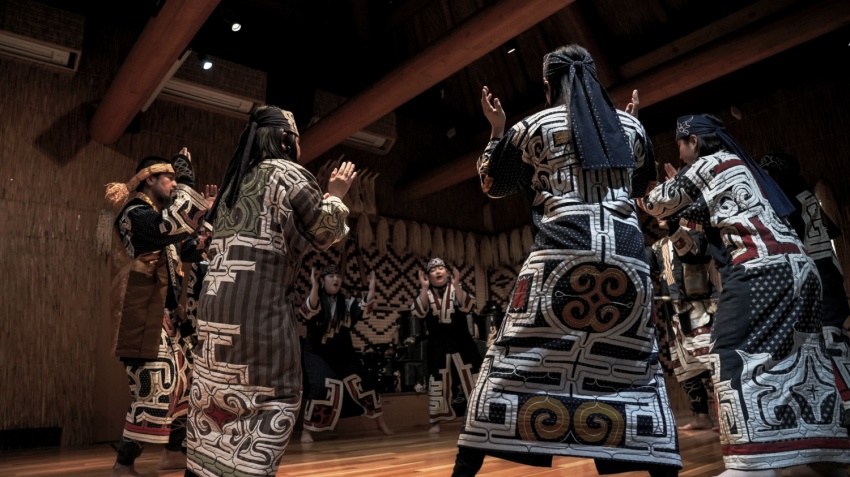
Watch traditional Ainu dance - designated as Important Intangible Folk Cultural Properties in Japan and as elements of intangible cultural heritage by UNESCO ‒ together with other Ainu performing arts such as mukkuri (a kind of mouth harp) music.
kankan
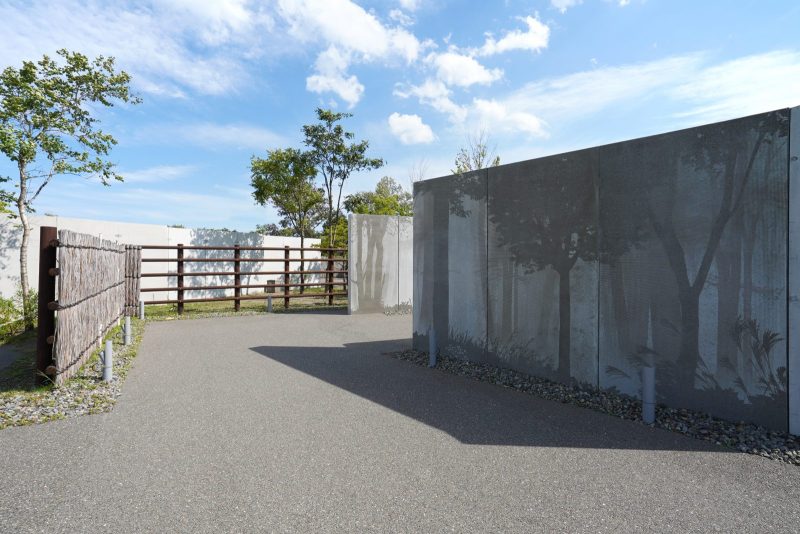
Path to the Ainu Spirit
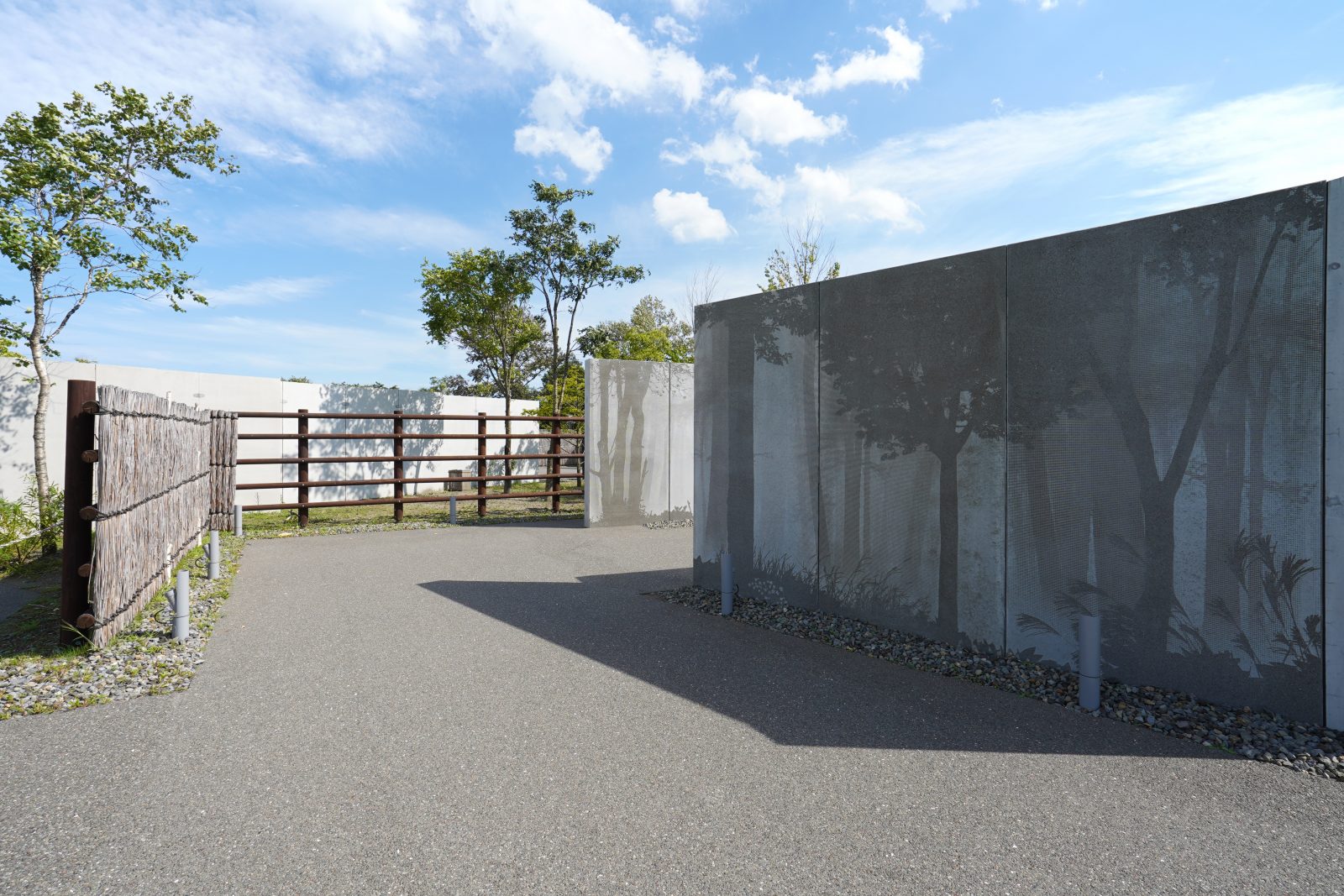
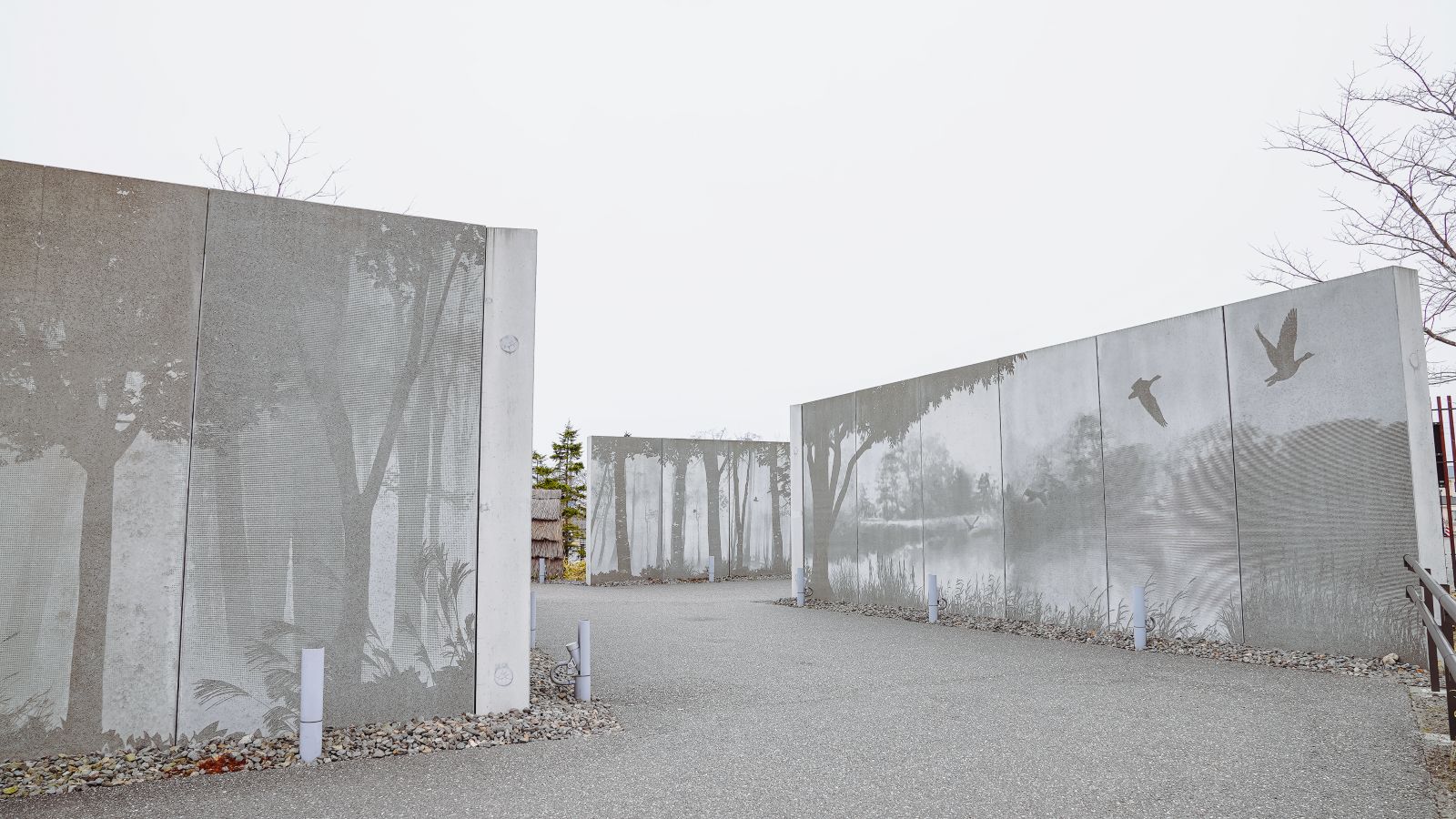
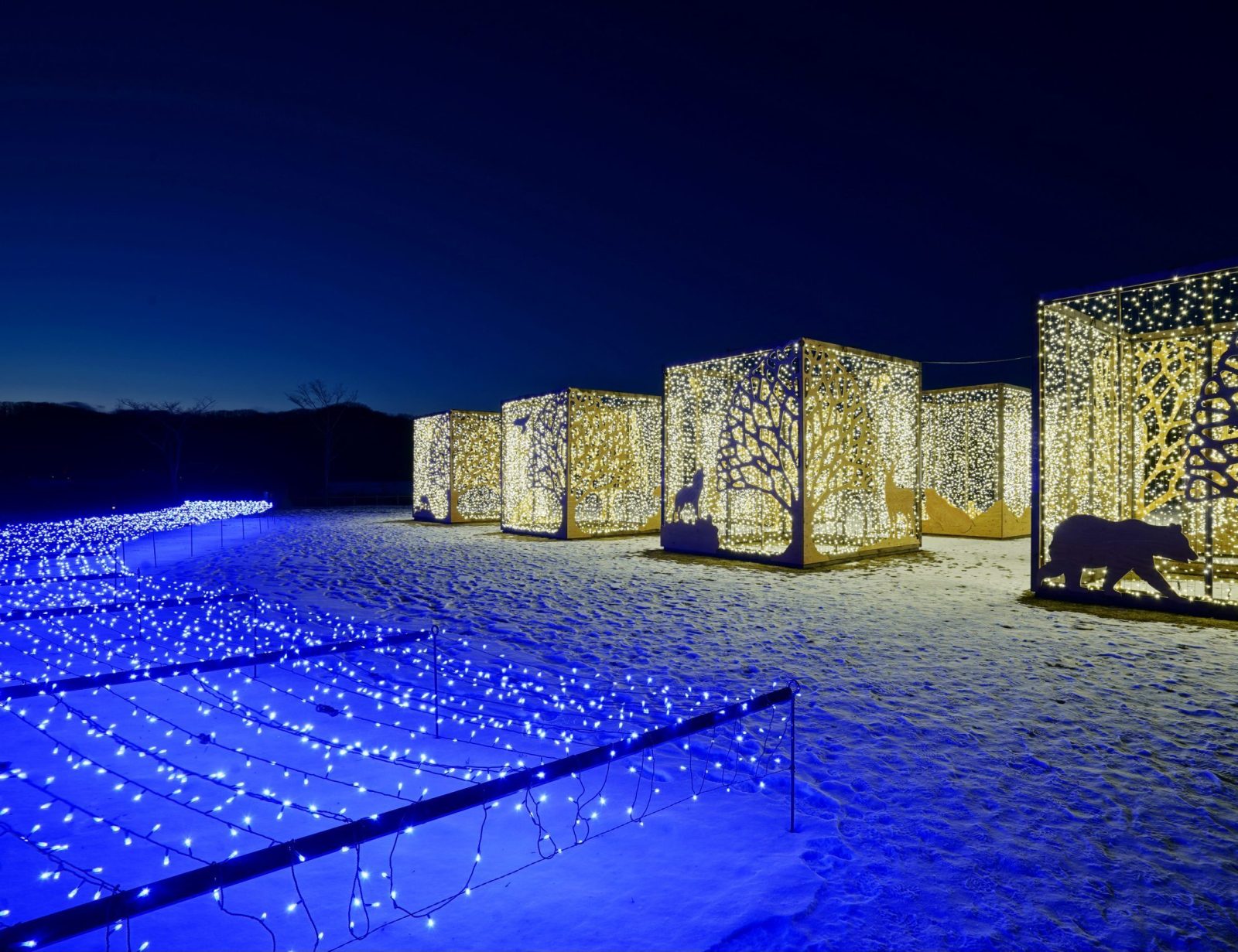
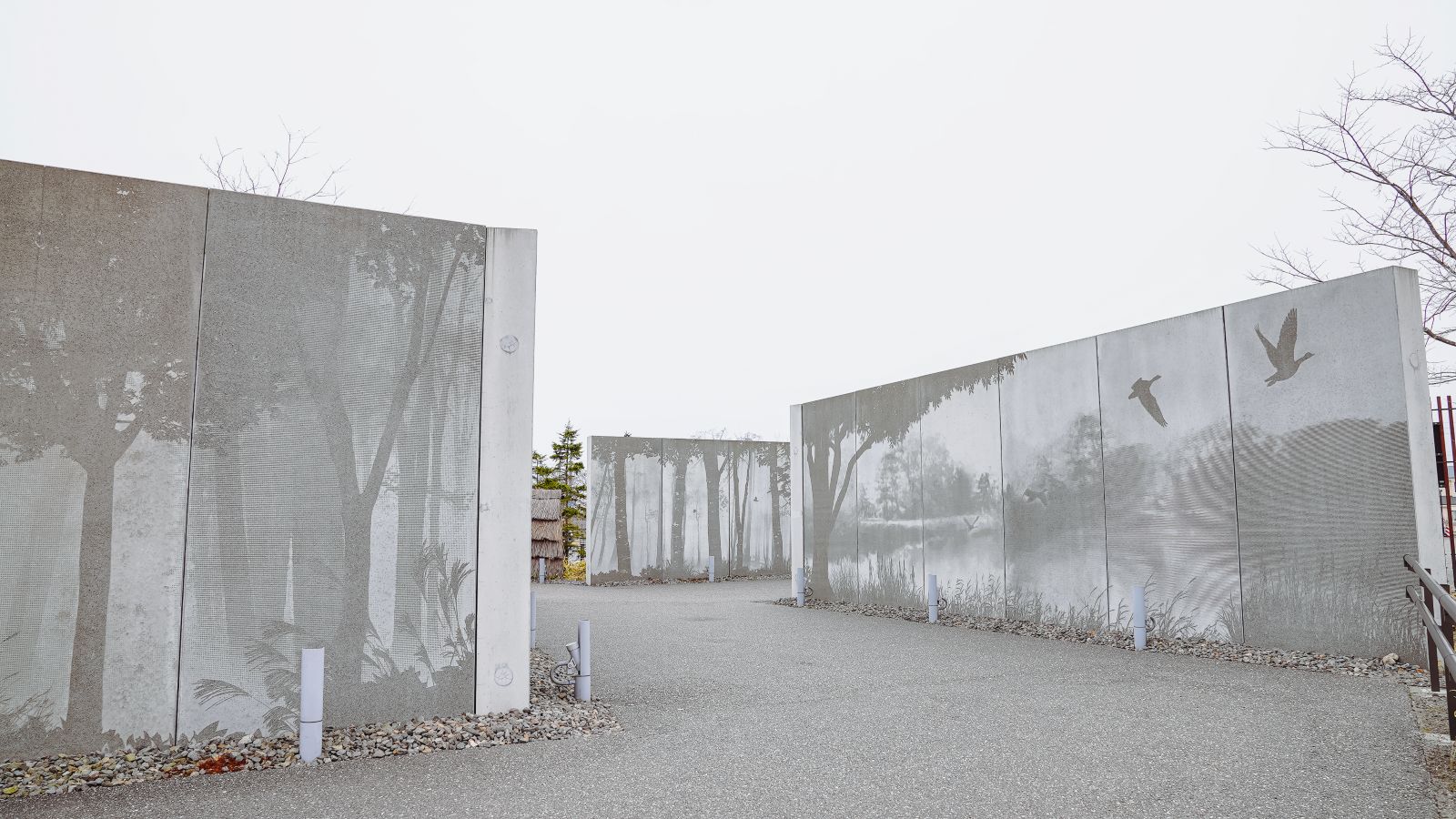
Adorned with images of trees and animals, this corridor feels like a trail through the forest, representing the importance that Ainu culture places on coexisting with nature and offering a hint of the beautiful scenery you’ll see when you turn the corner and enter Upopoy.
yayhanokkar cise
Workshop
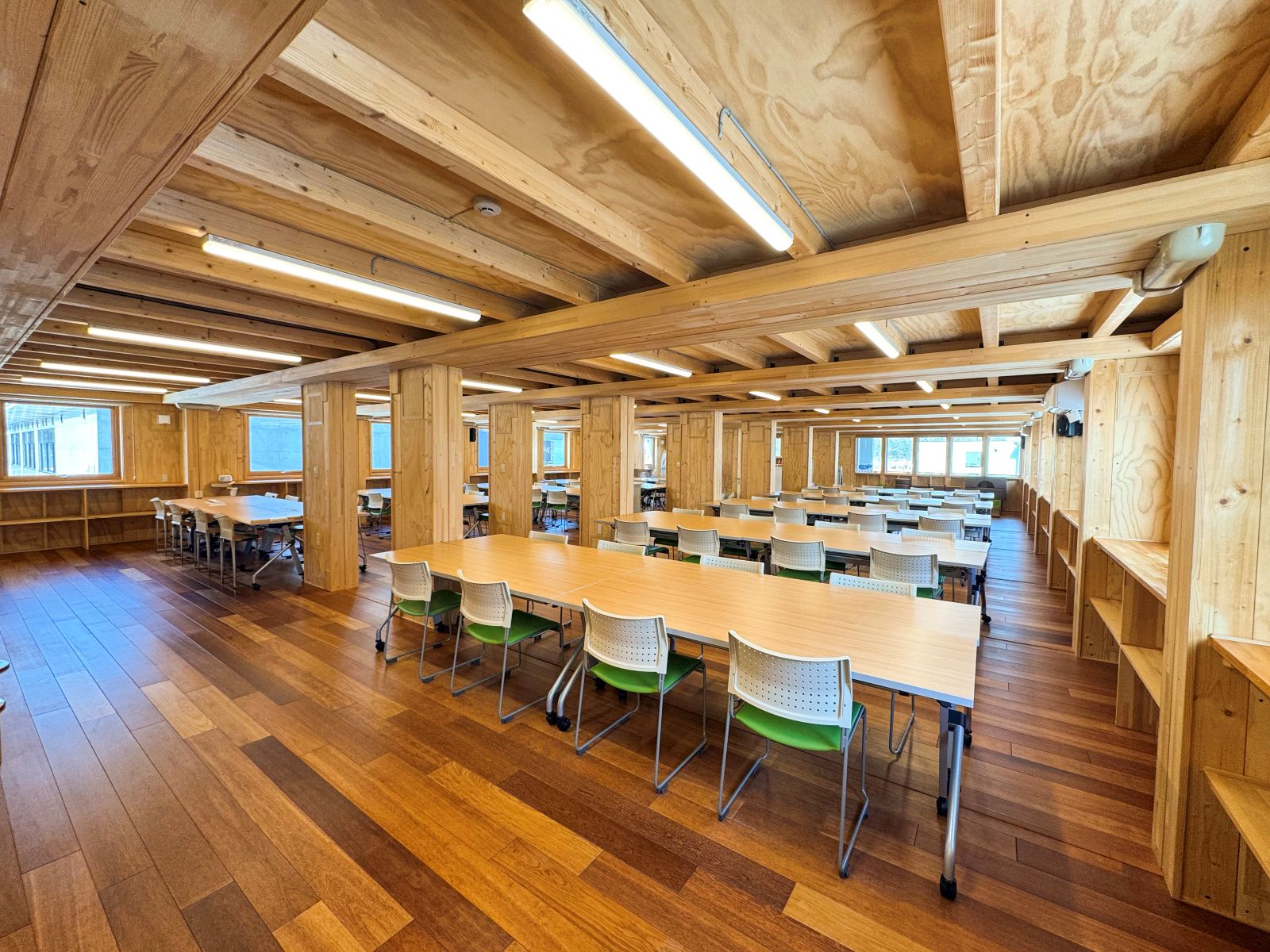
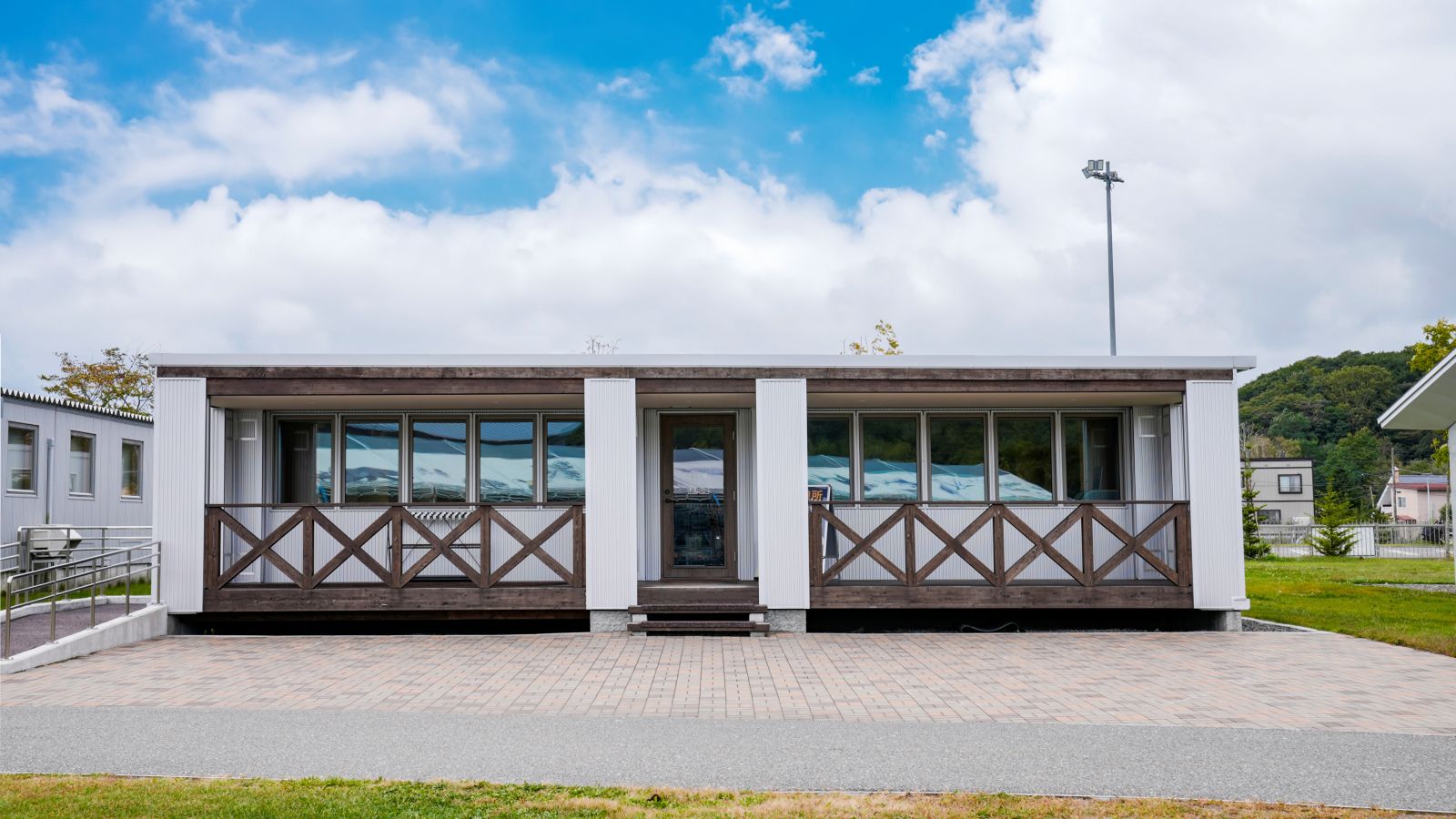
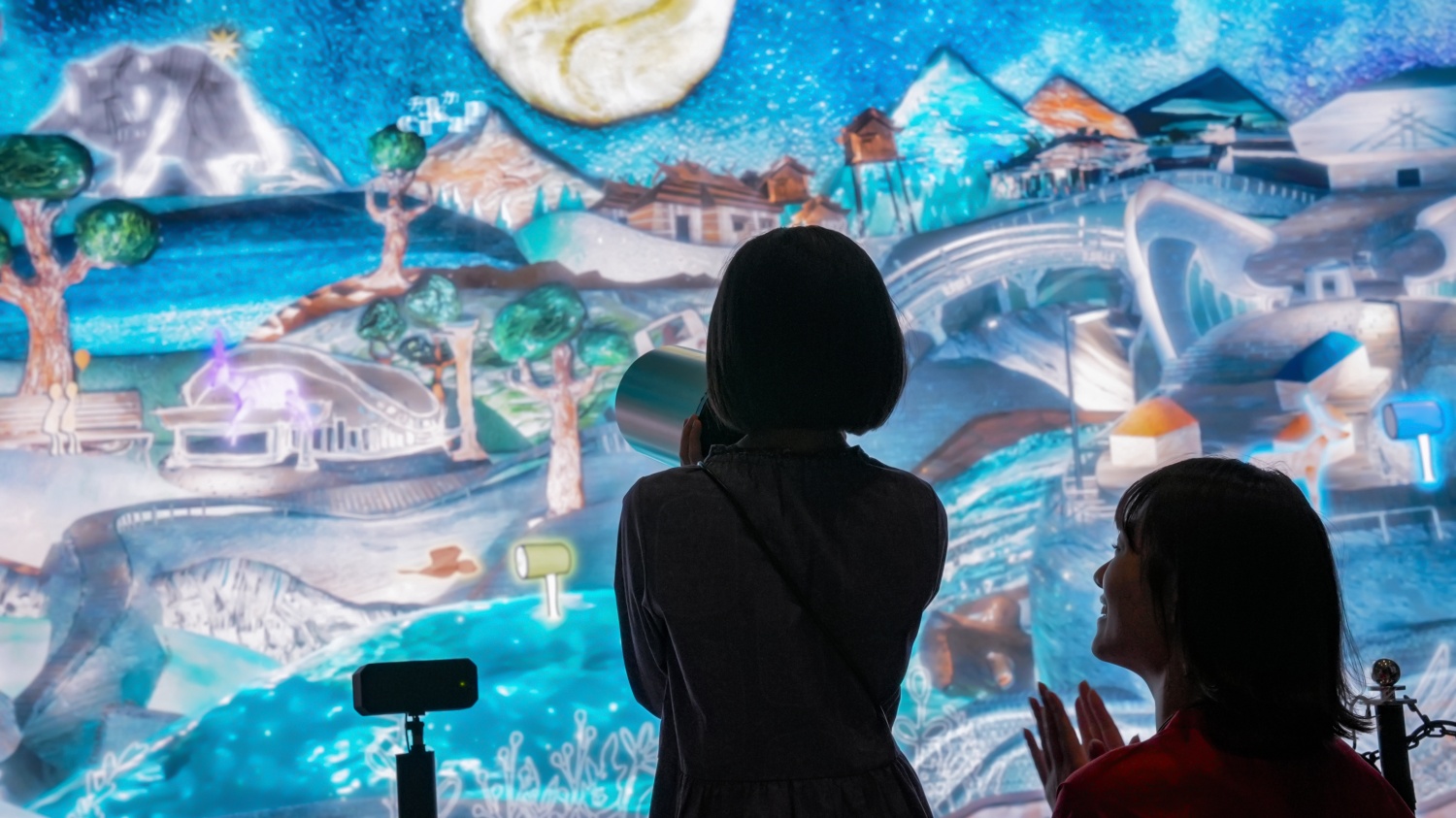
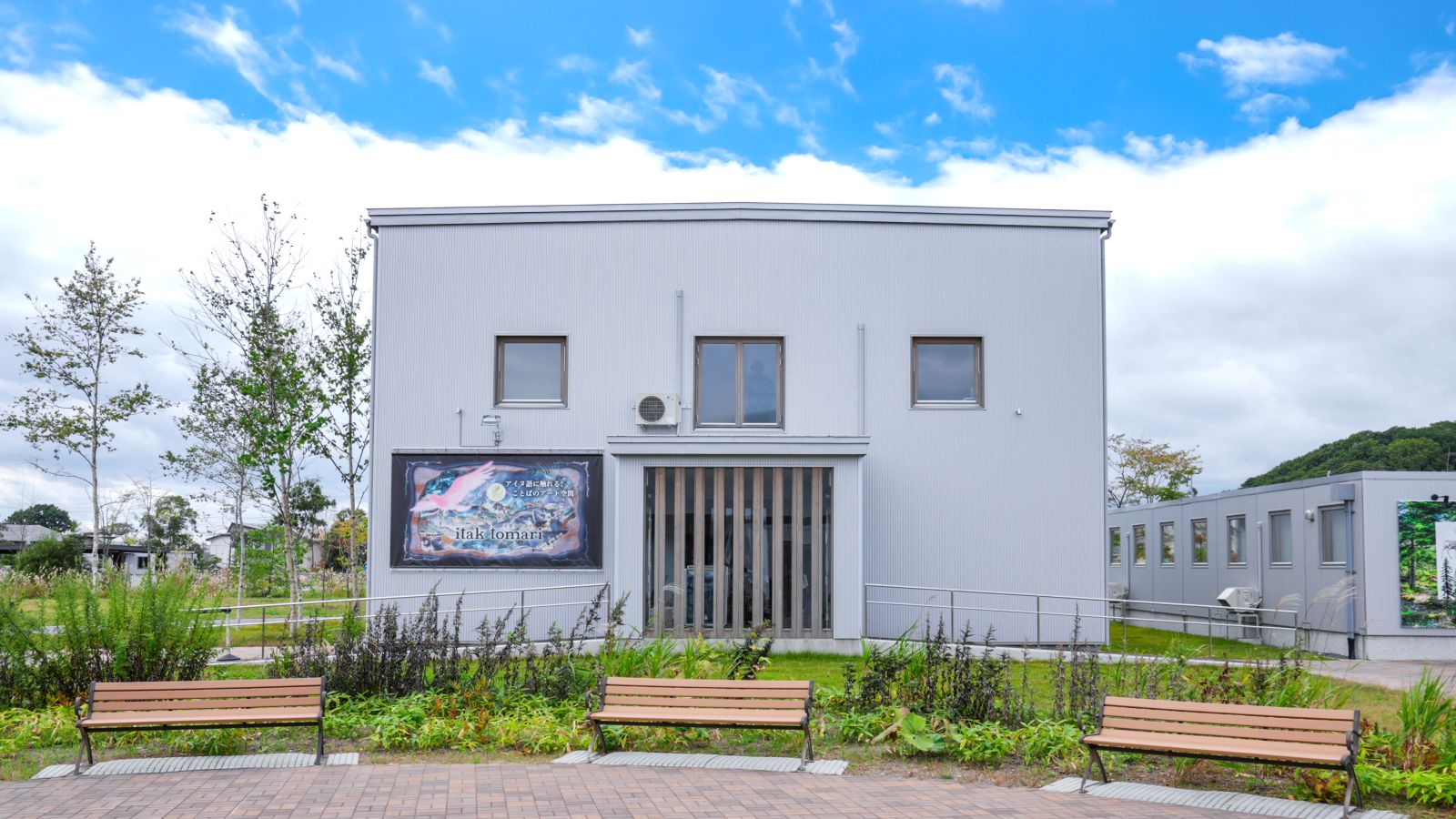
This facility hosts activities for school groups and cooking workshops. In the Annex you can try archery and see installation art in the Ainu language.
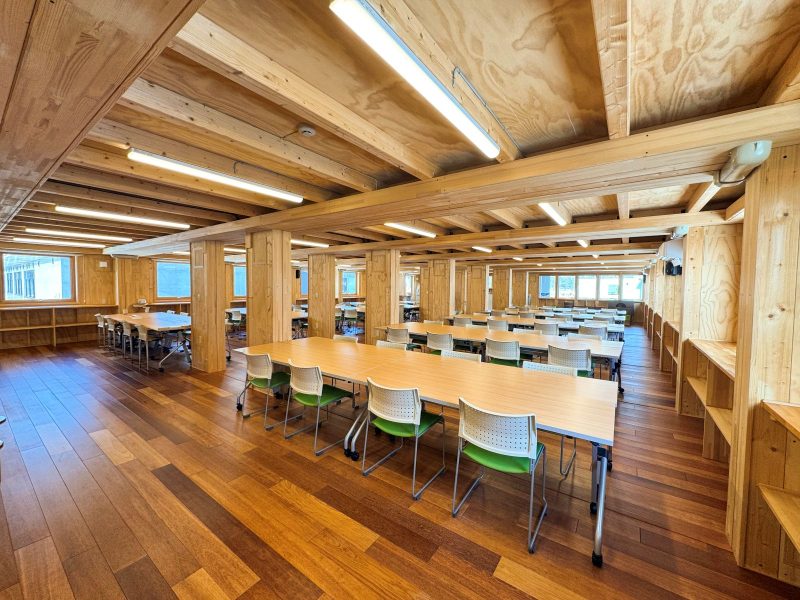
Community Space


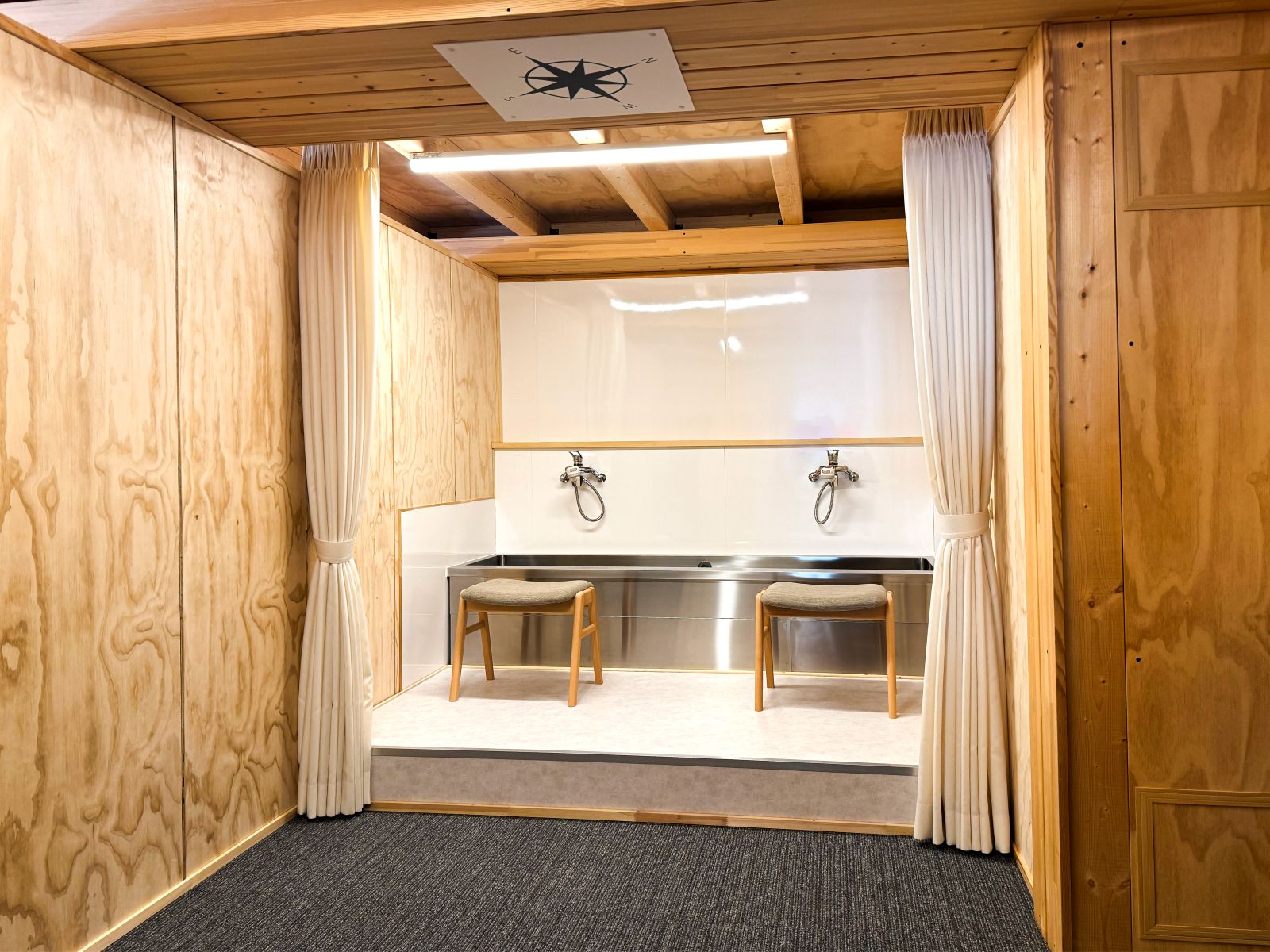
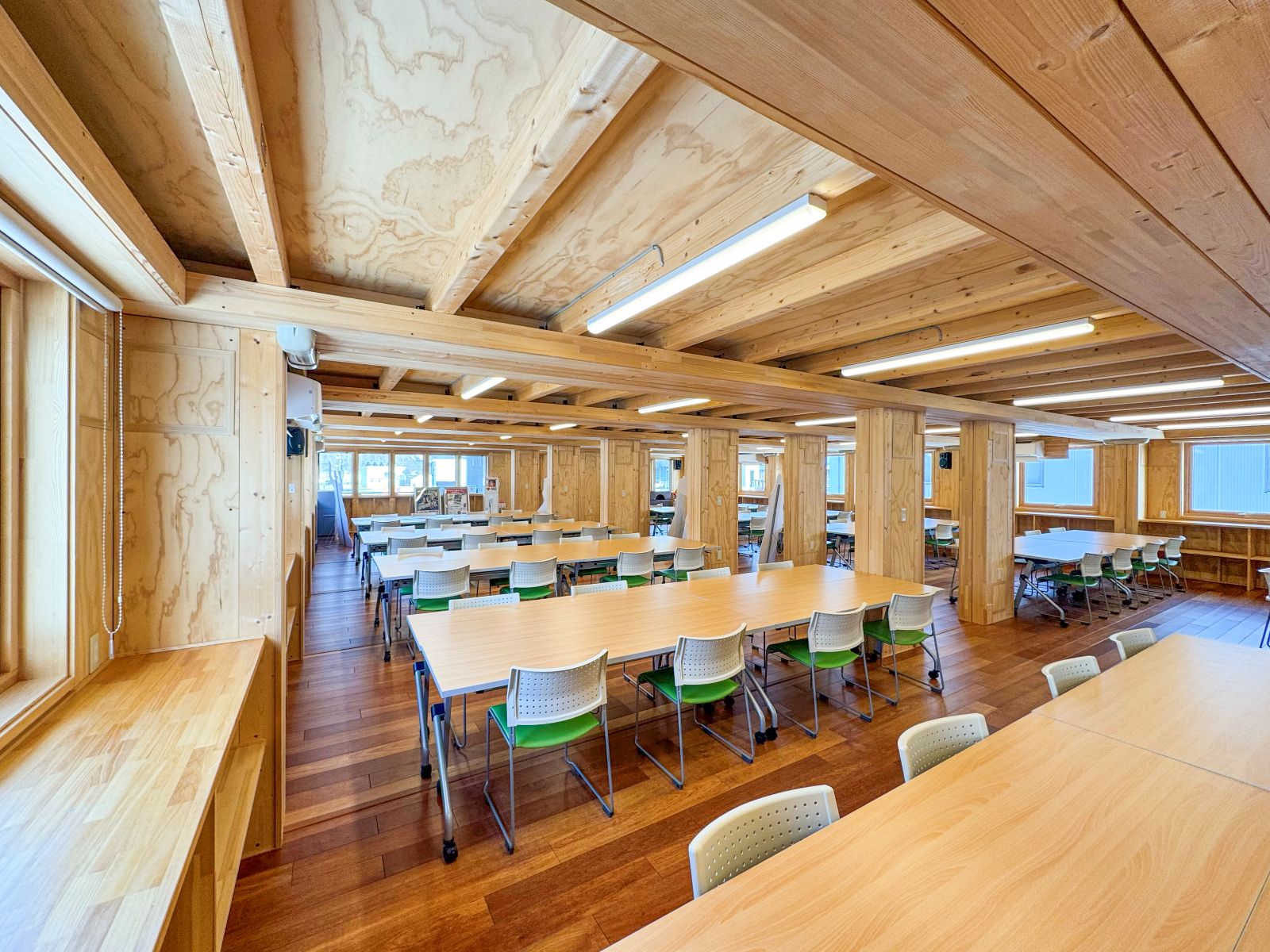
This space can be used as a rest area and also has prayer rooms available.
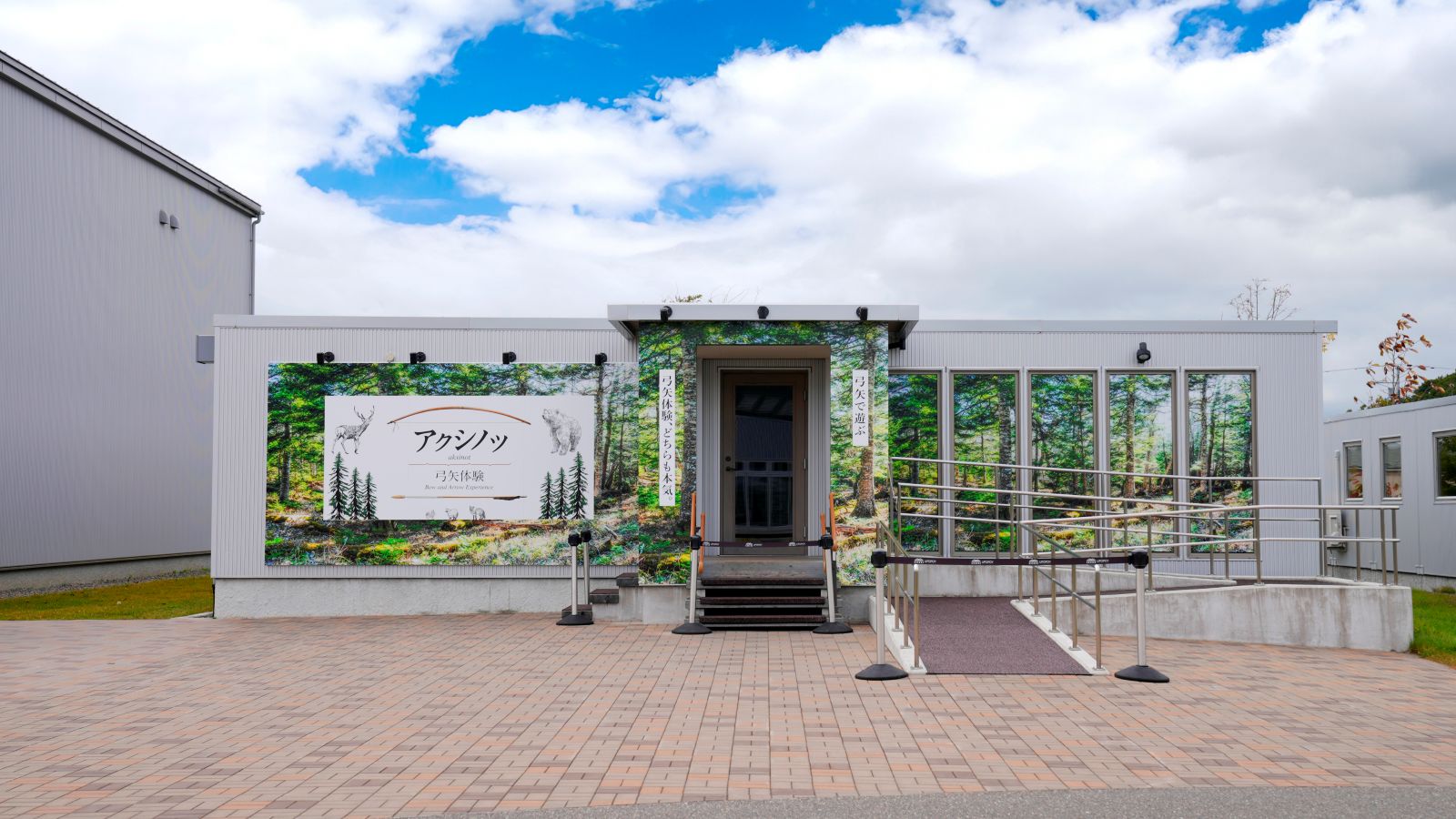
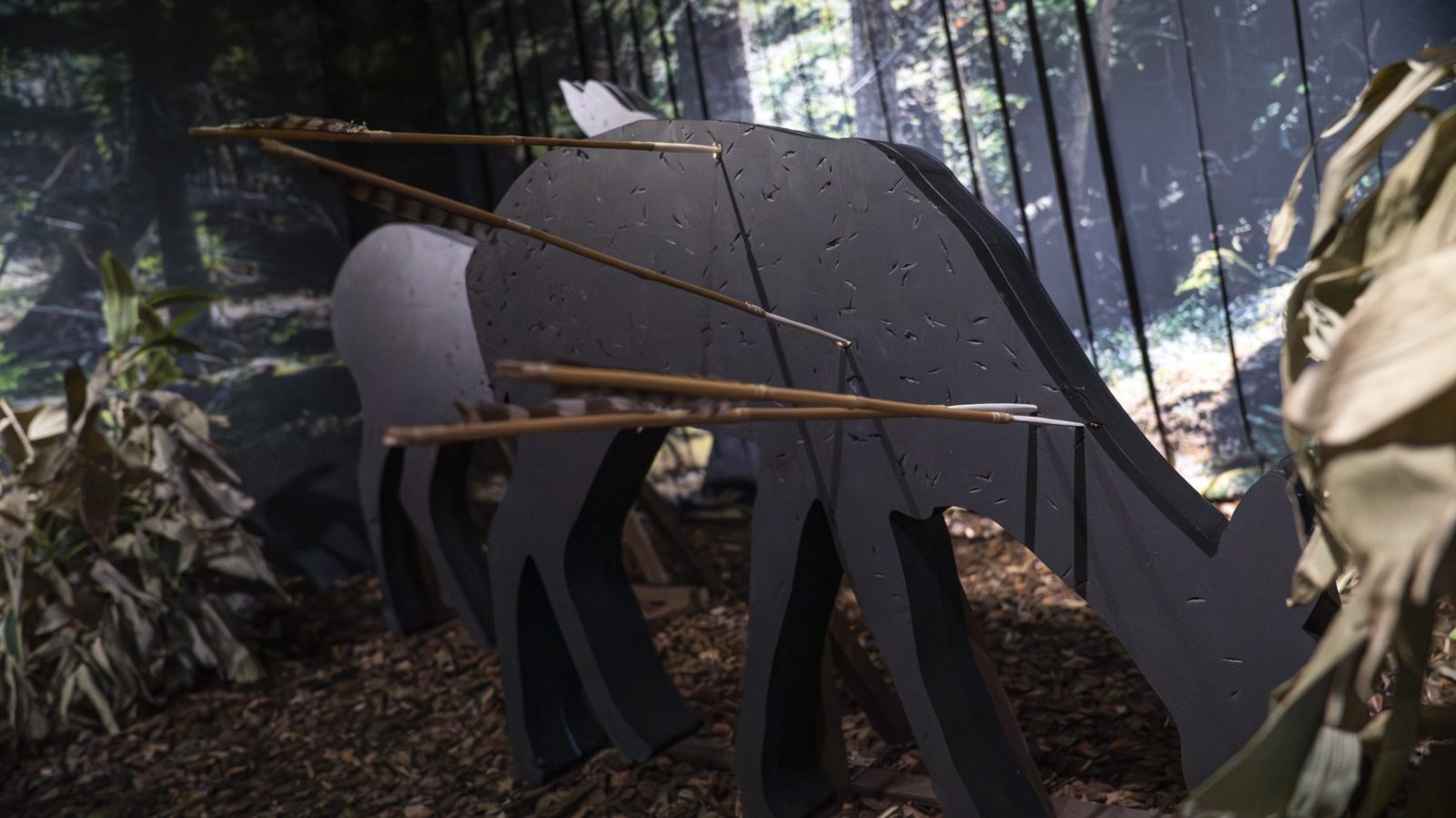
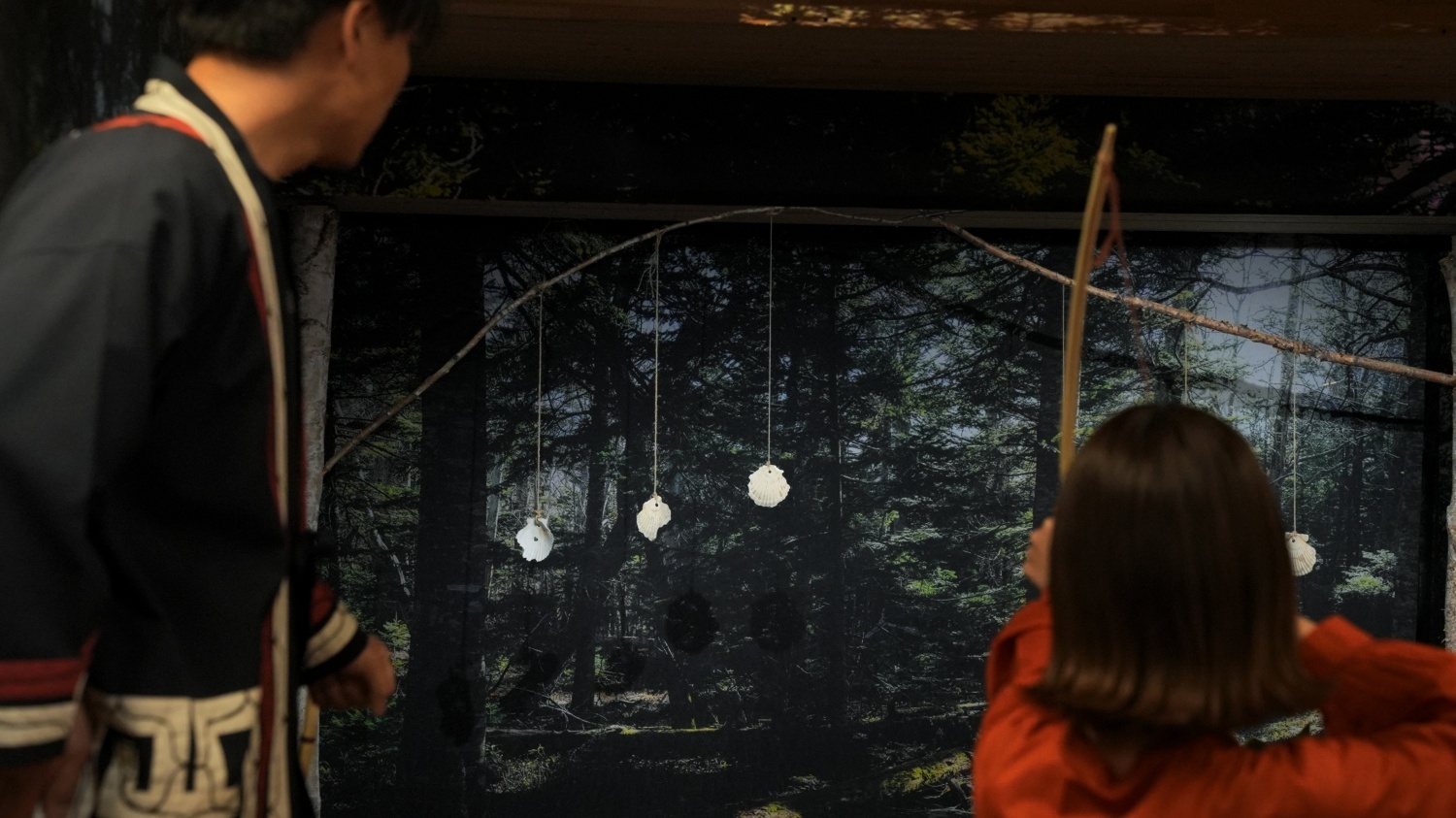
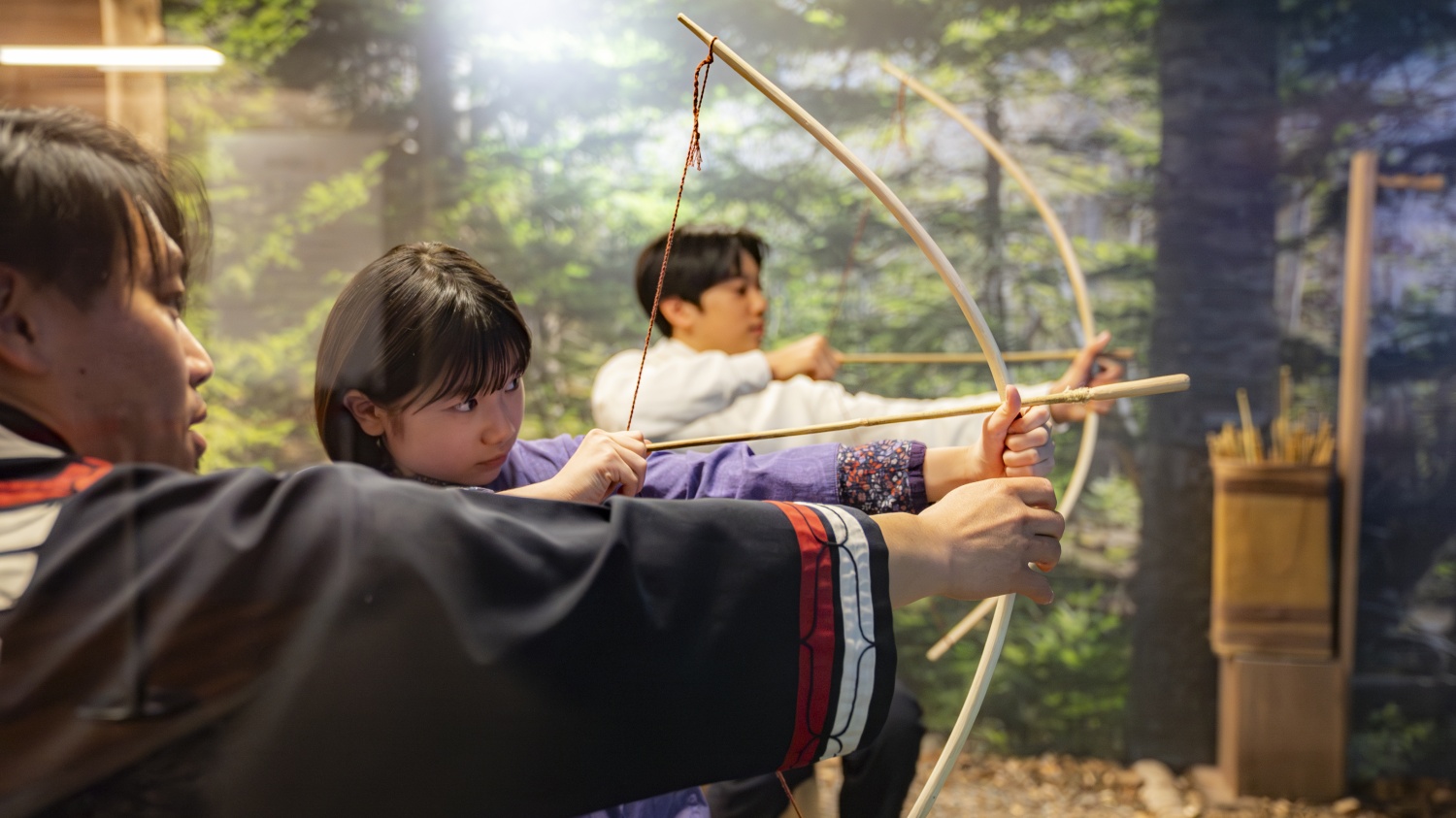
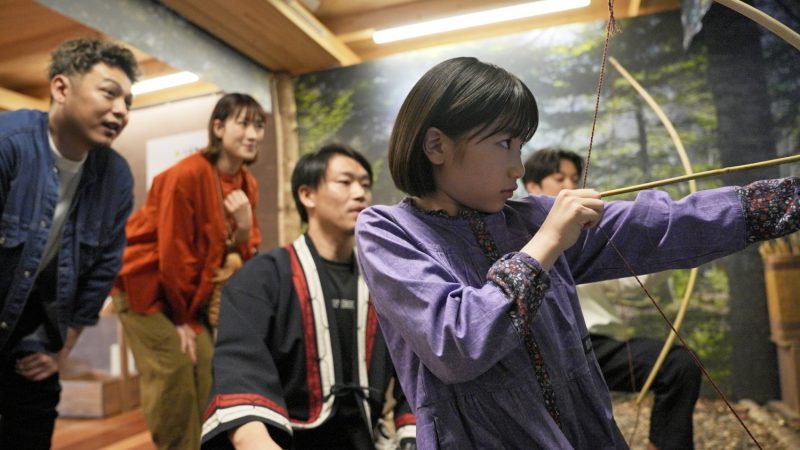
Archery Space
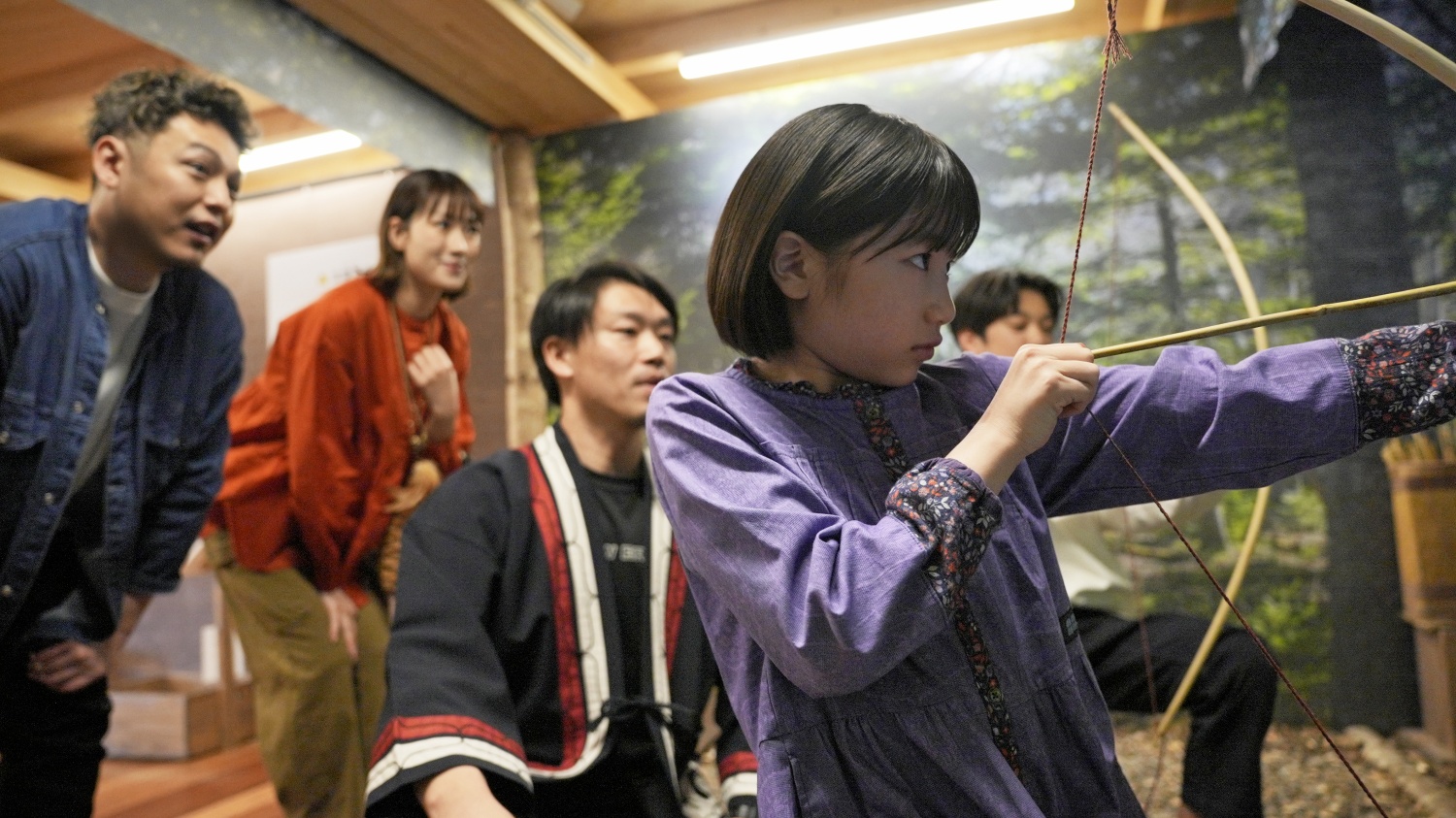
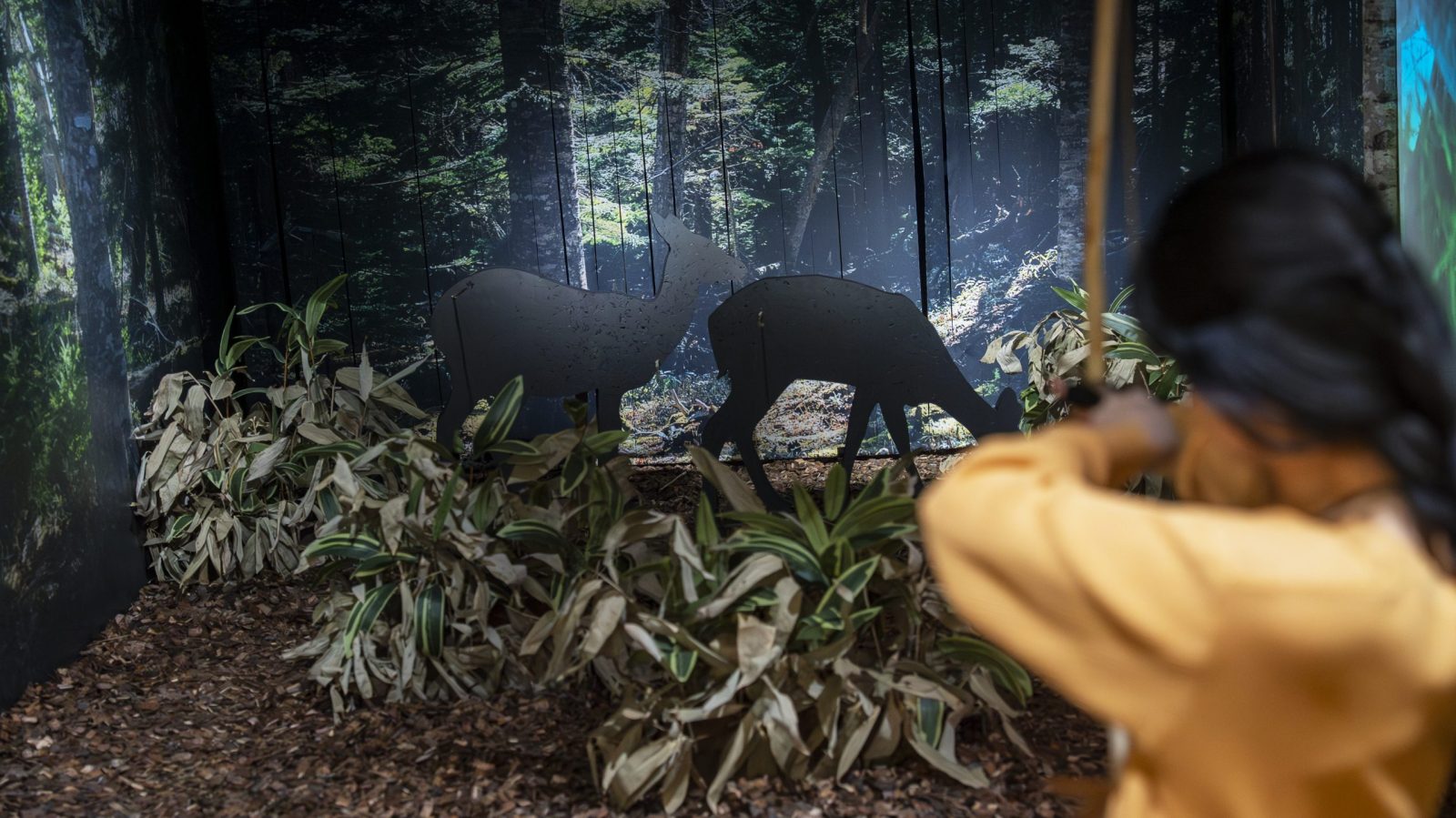
In the aksinot archery experience, visitors can learn about hunting customs and techniques through an activity using a simplified bow and arrow.
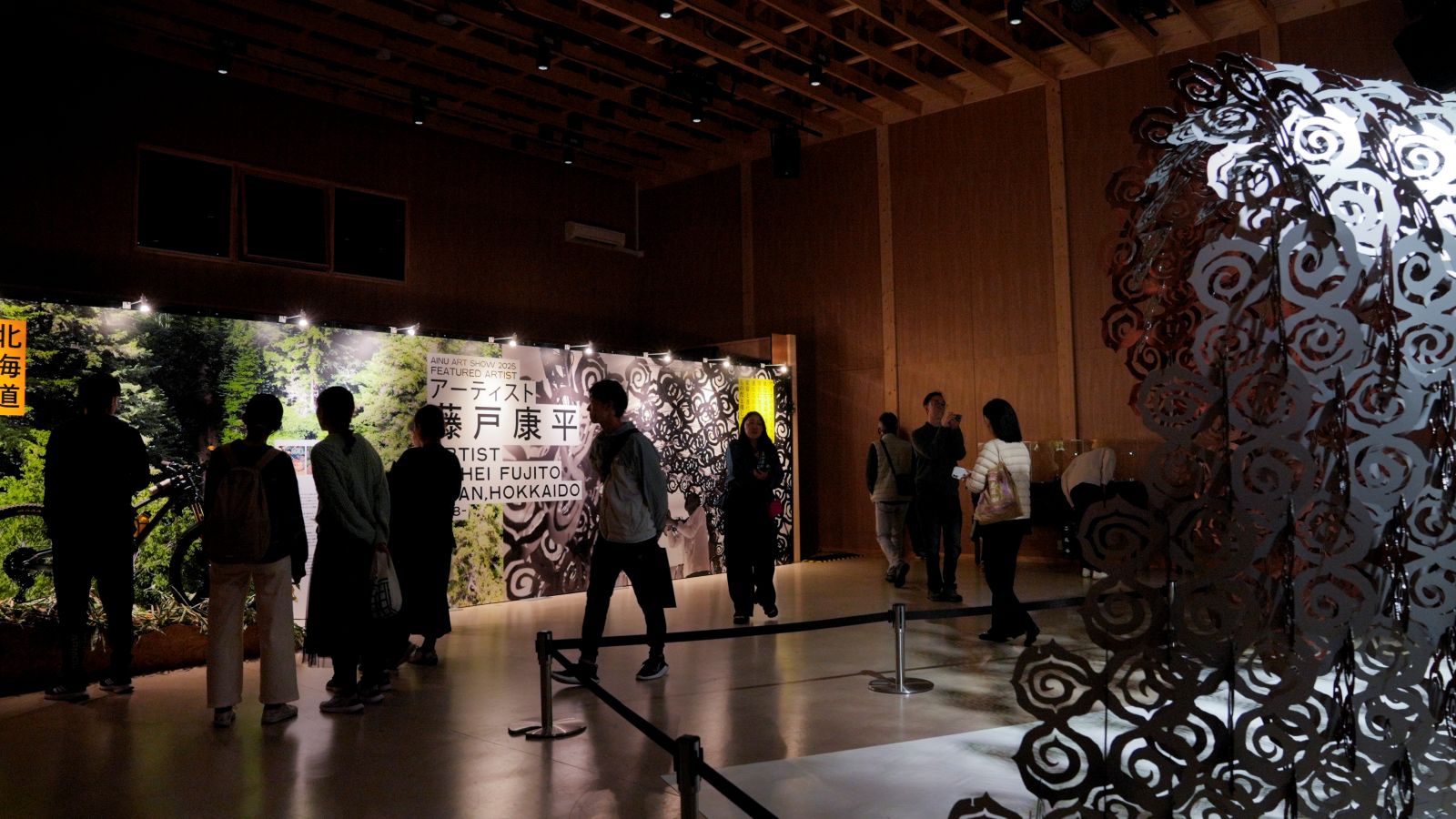
Multi-Purpose Hall
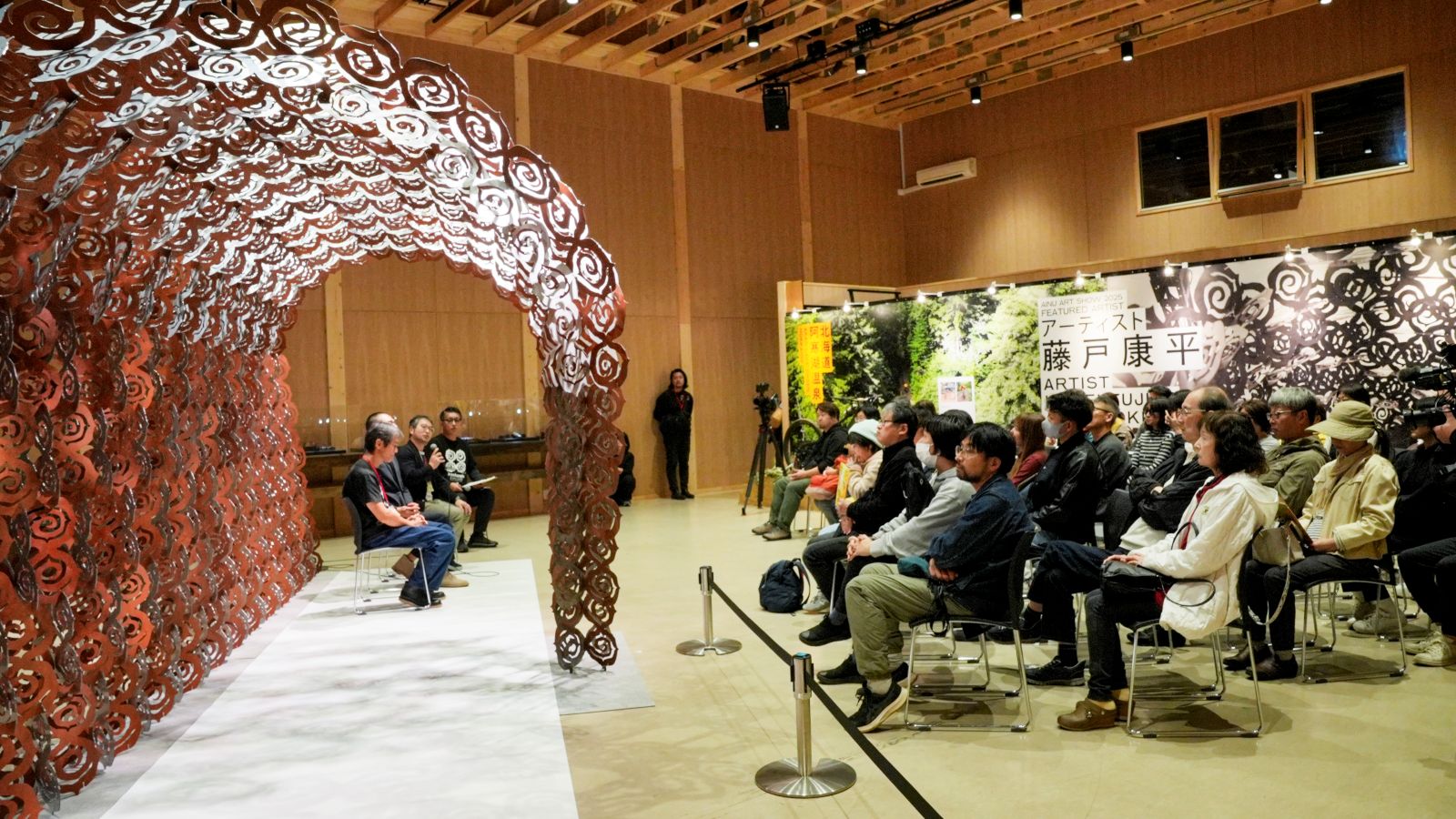
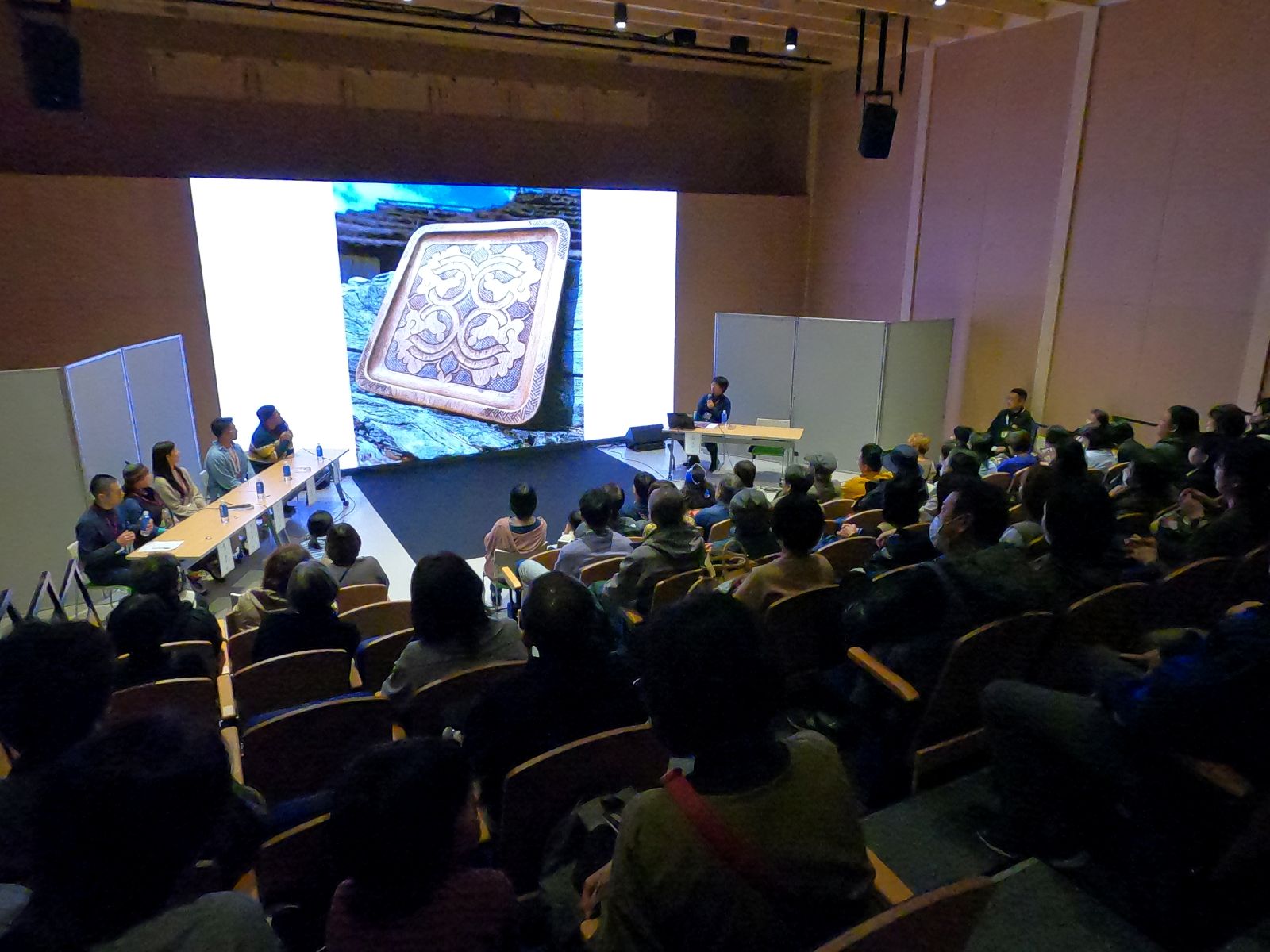
This spacious multi-purpose area is used for a wide range of activities and events.
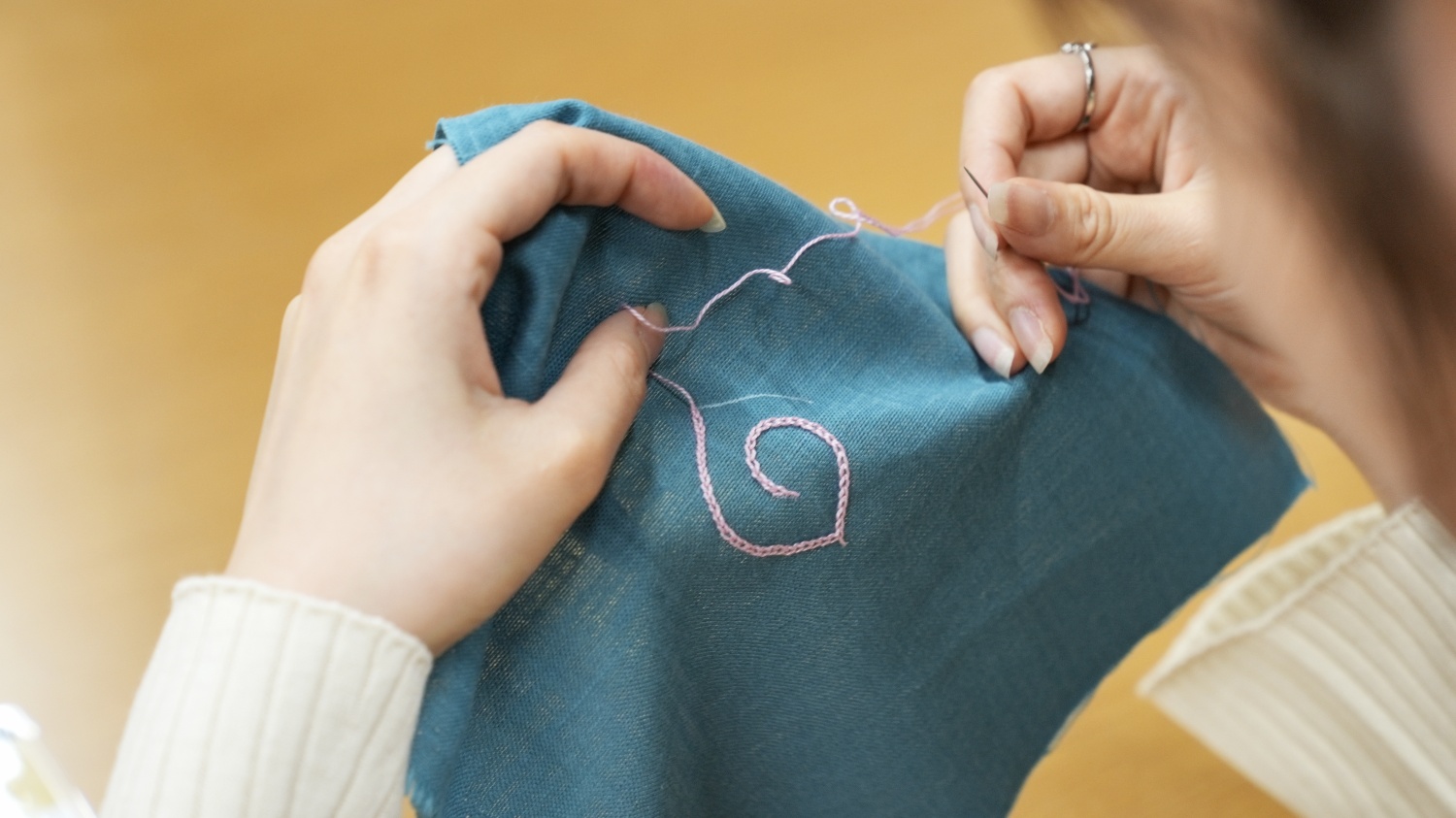
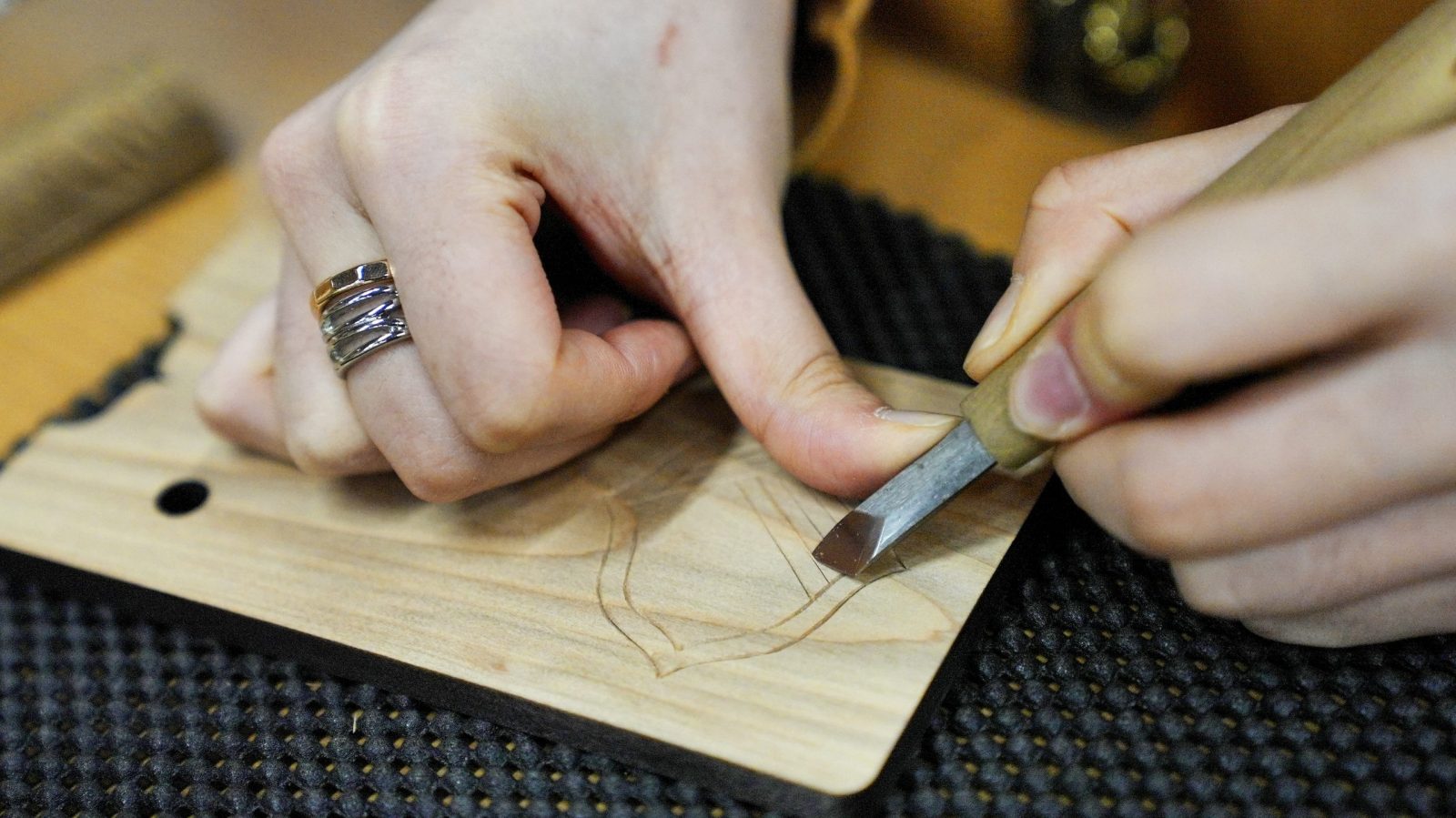
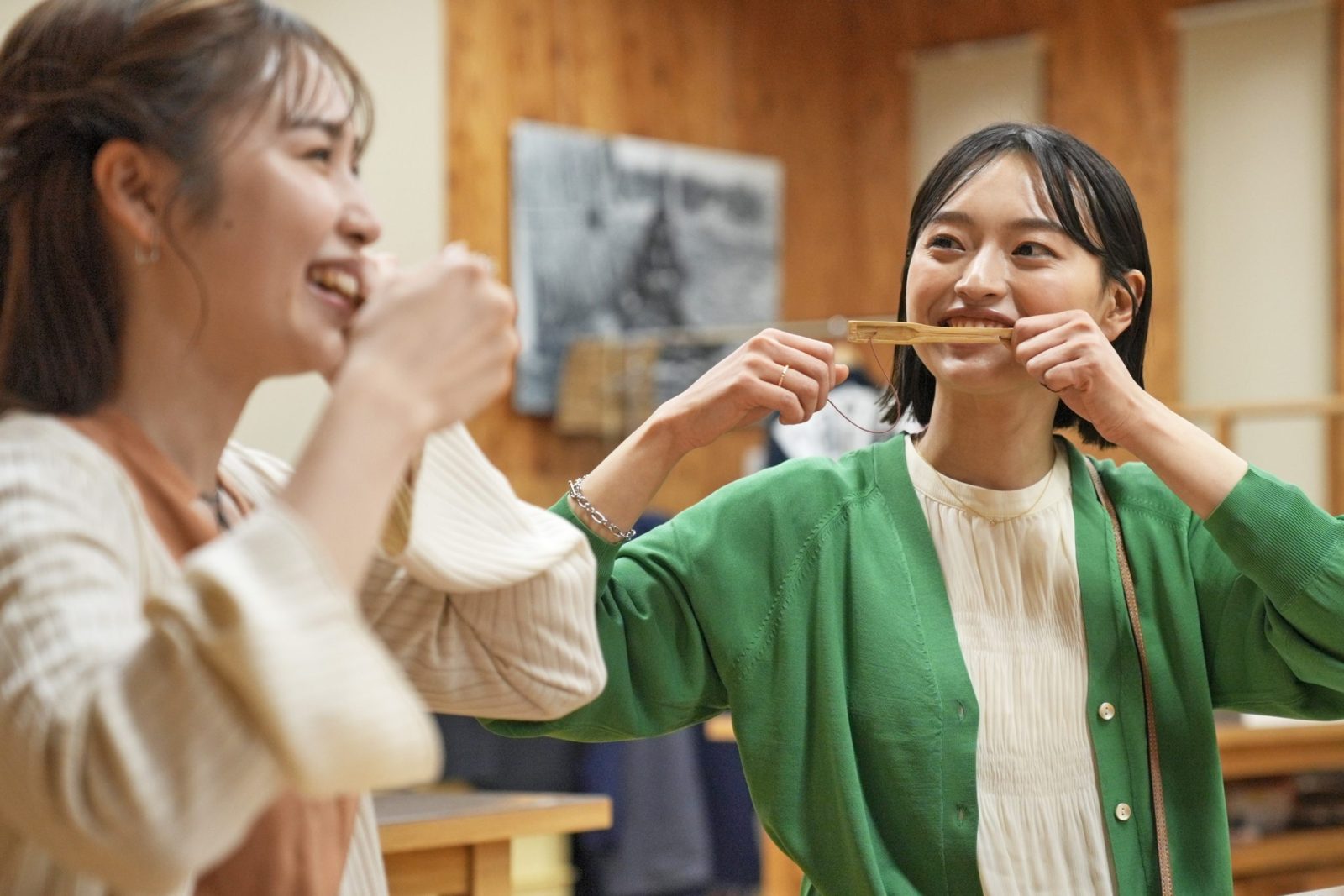
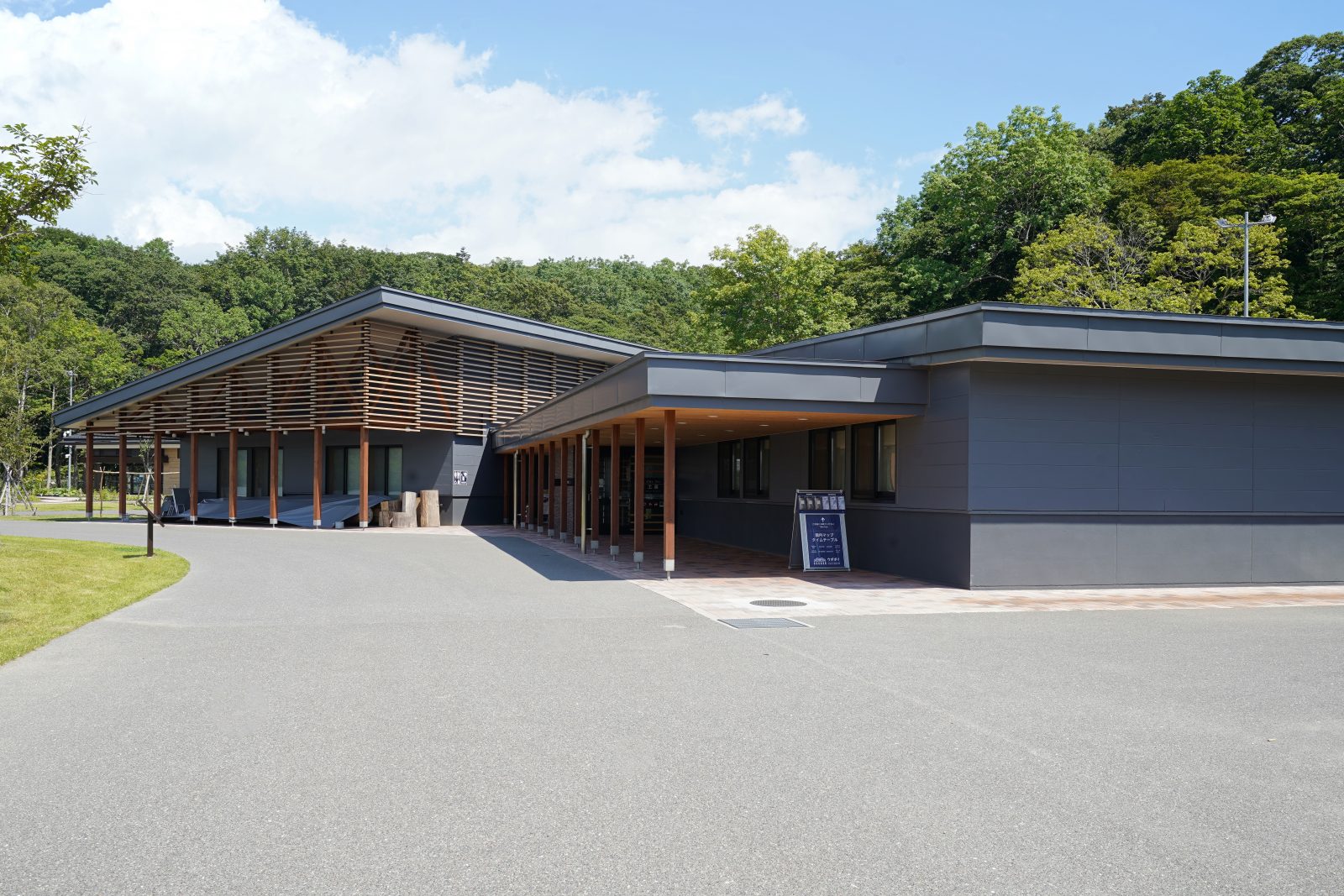
ikar usi
Crafts Studio
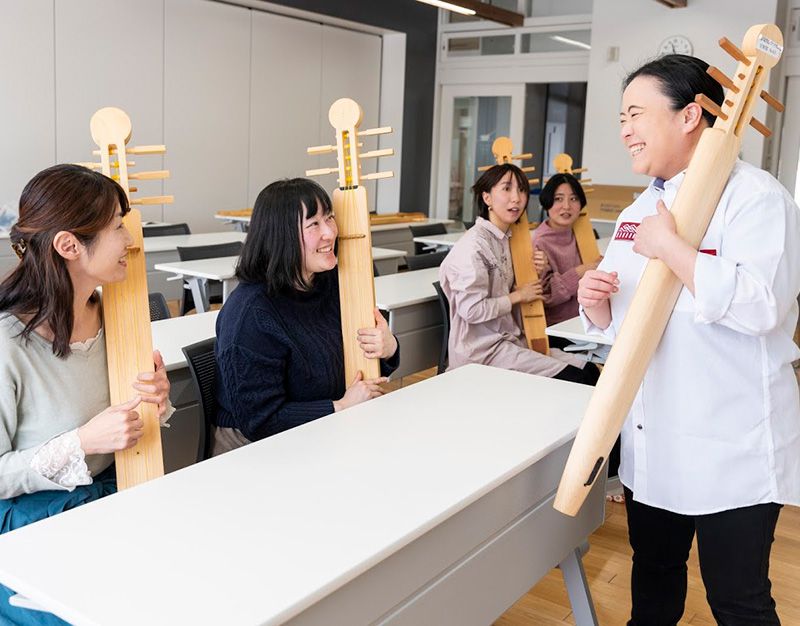
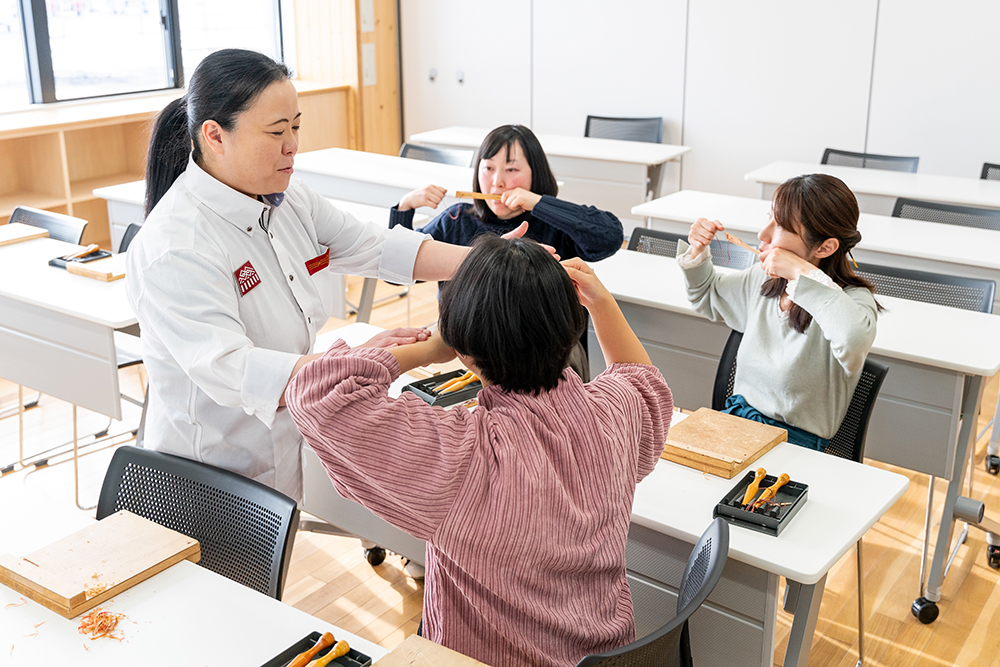
Experience up-close demonstrations by staff of techniques that have been handed down through the generations and participate in woodcarving, embroidery and musical workshops.
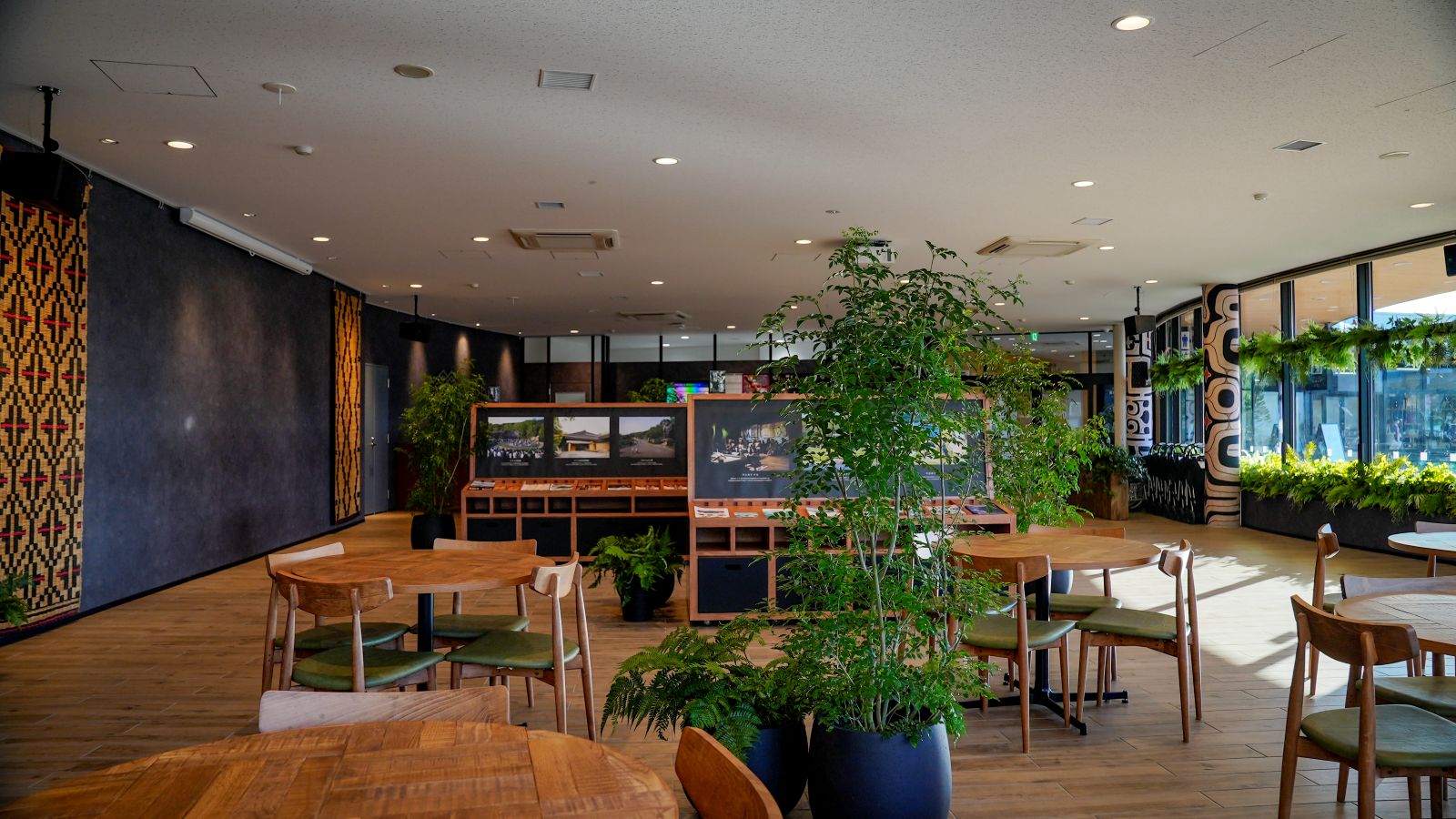
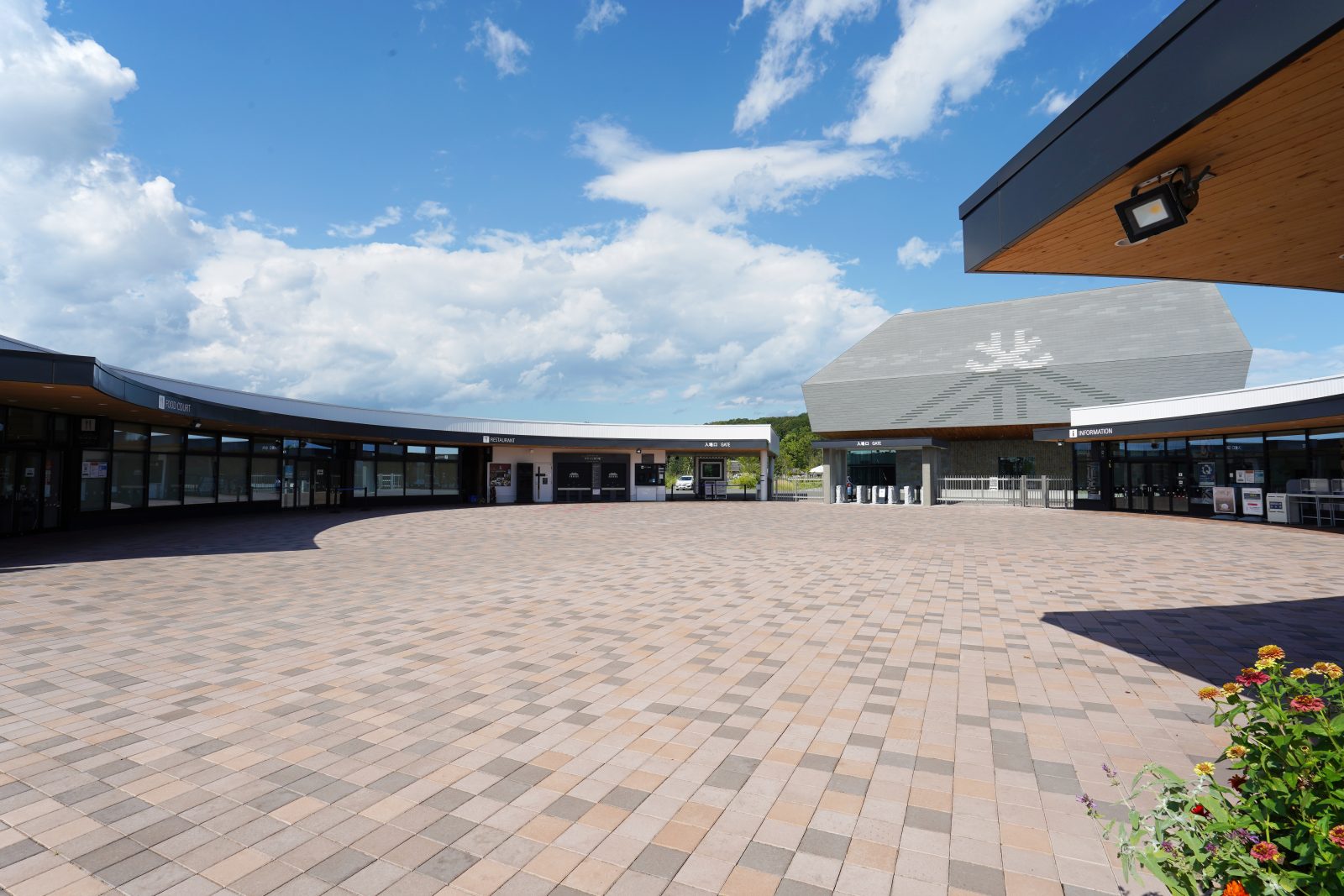
hoski an cise
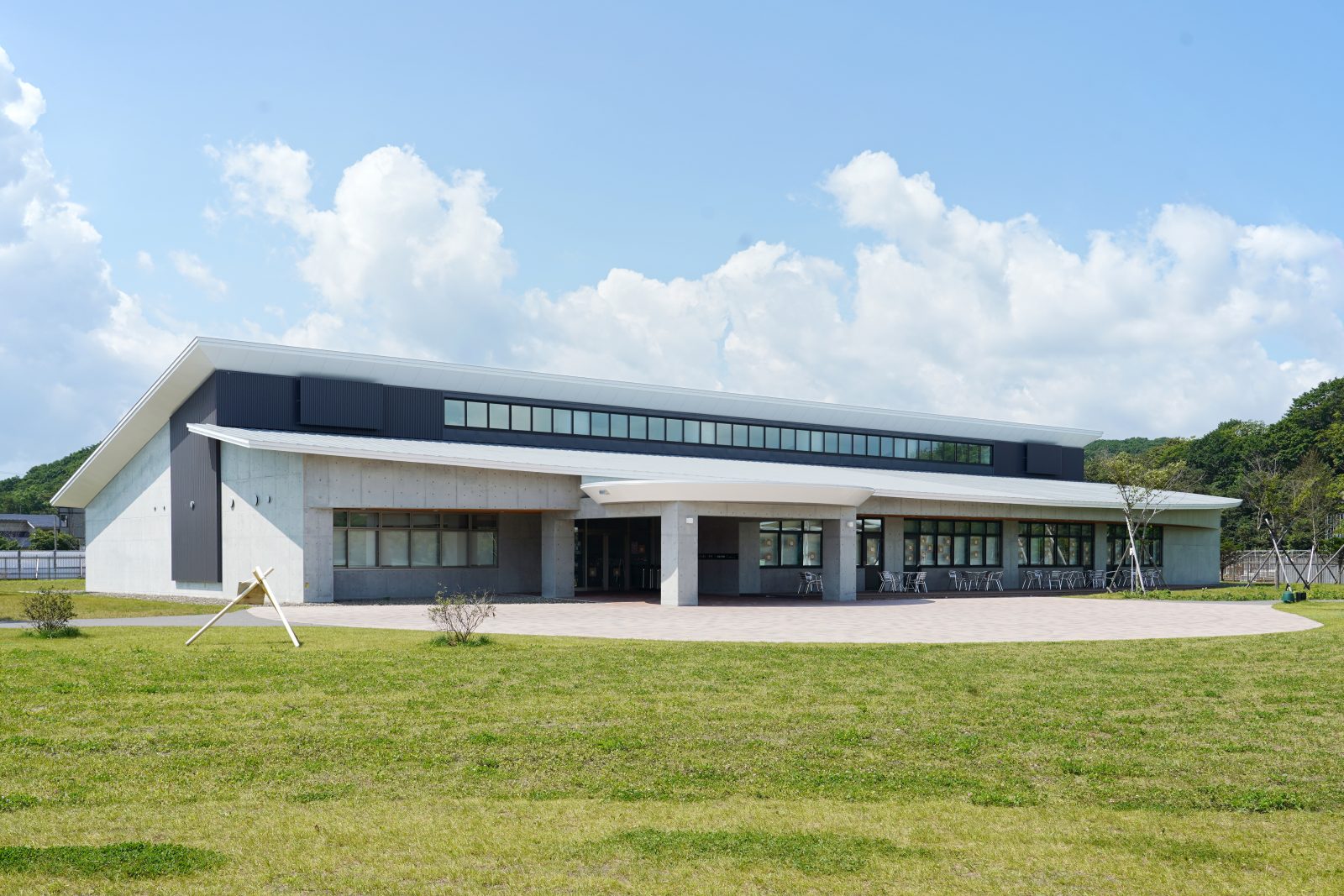
Entrance Center







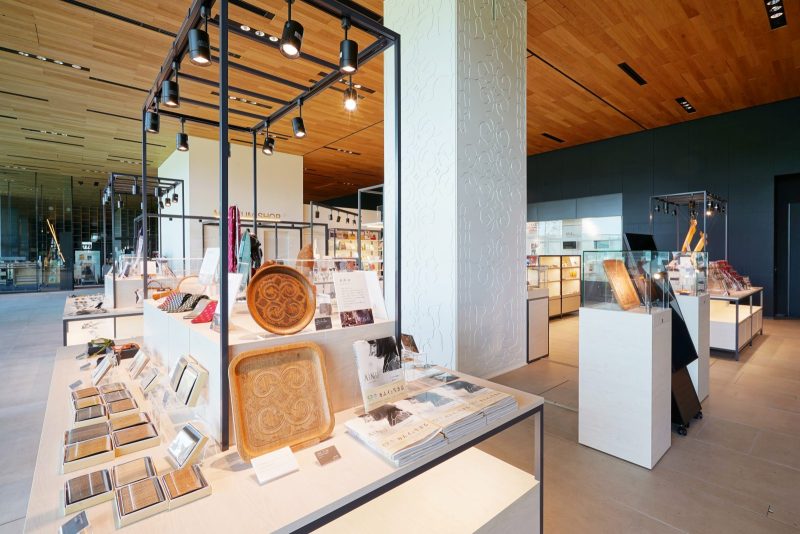
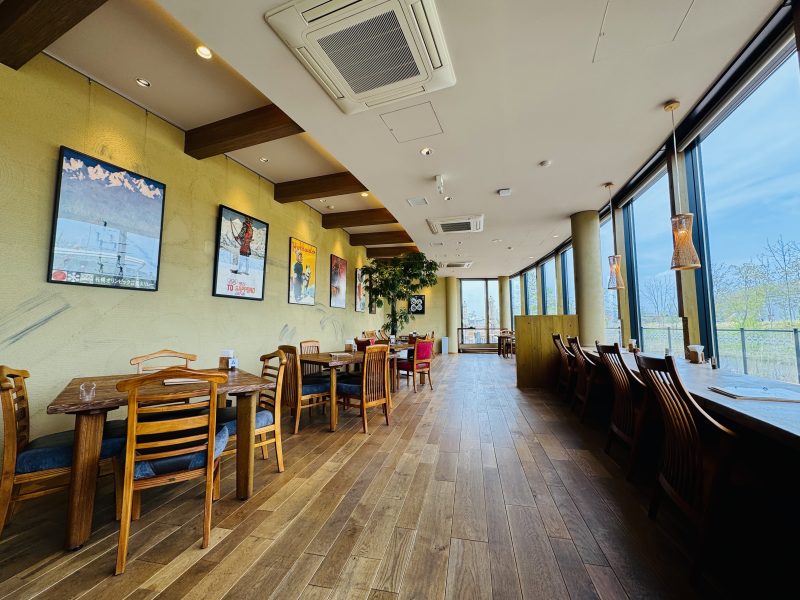
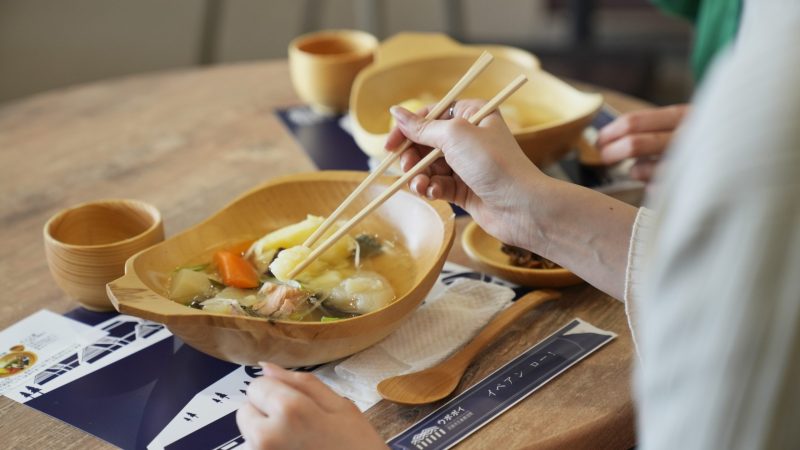
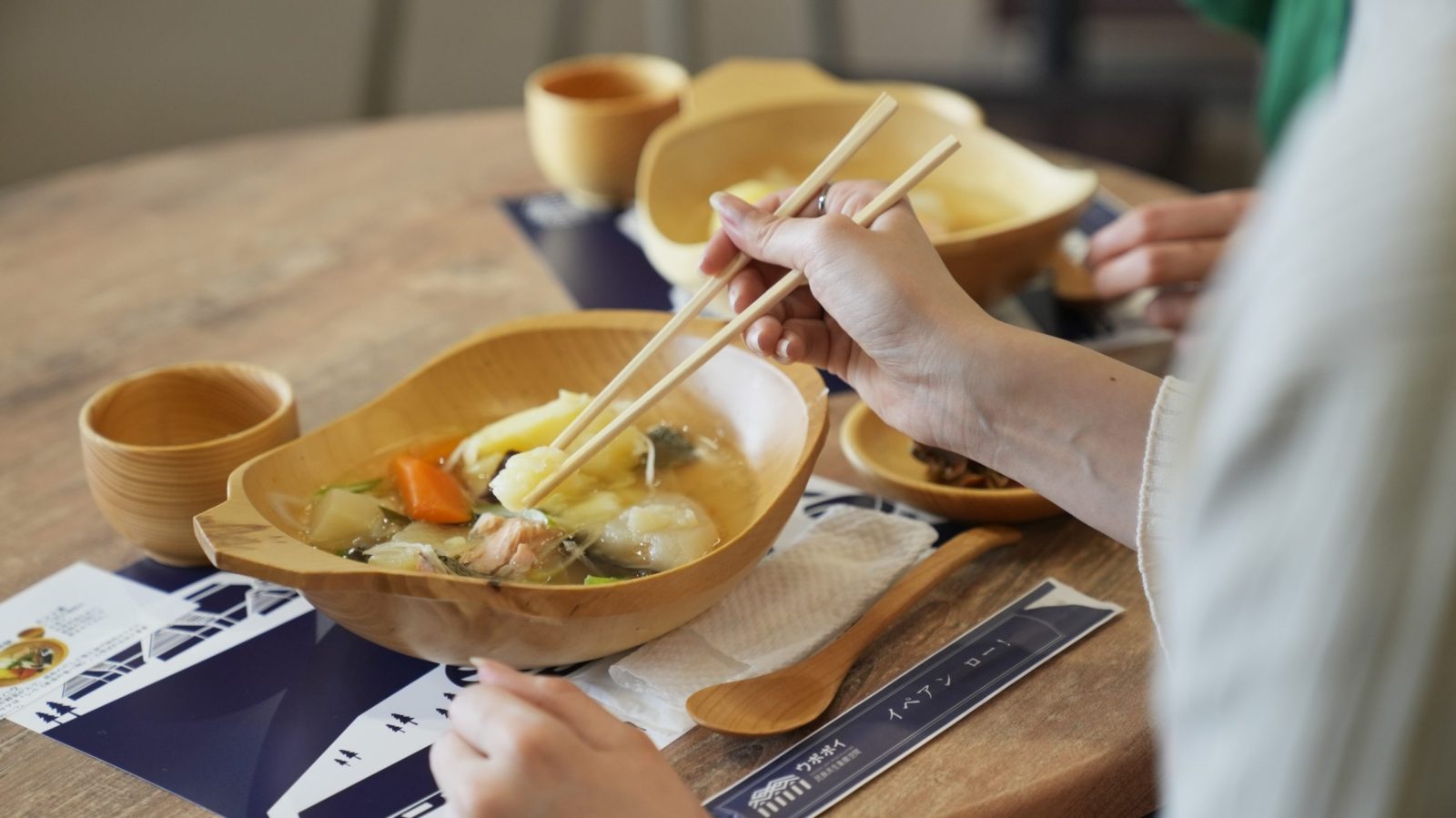
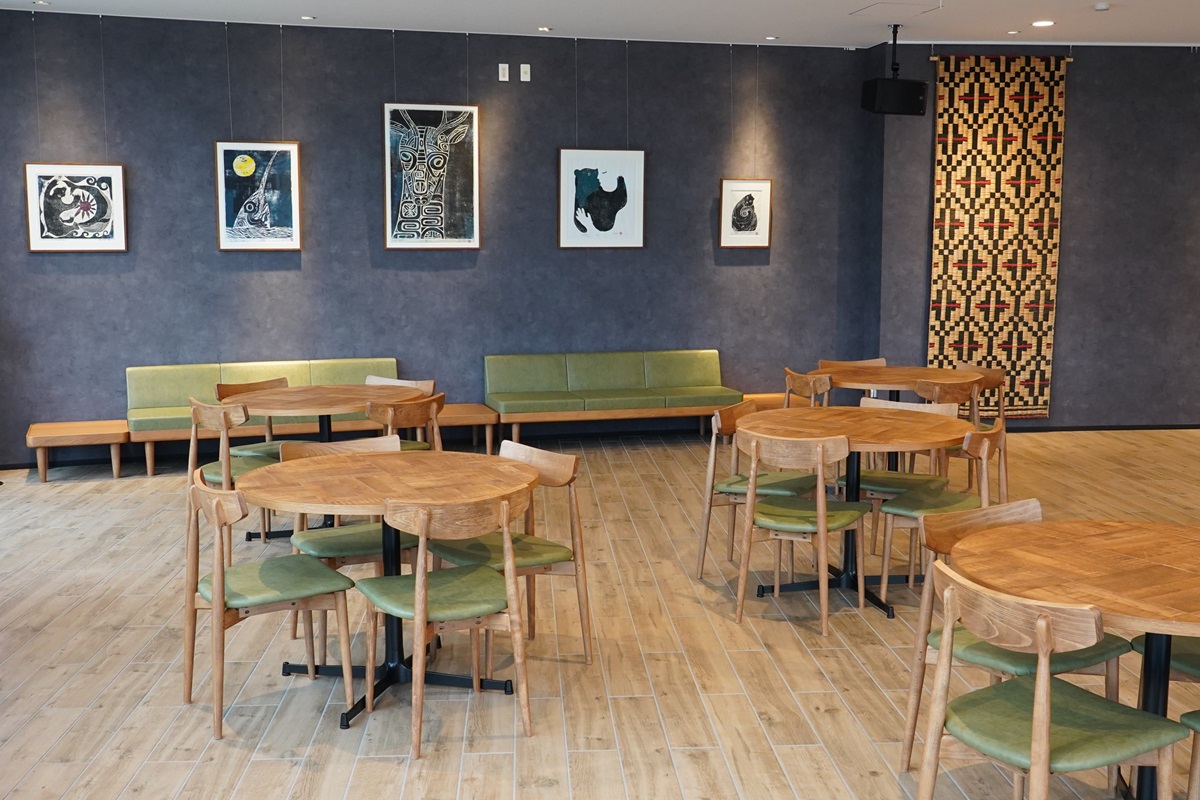
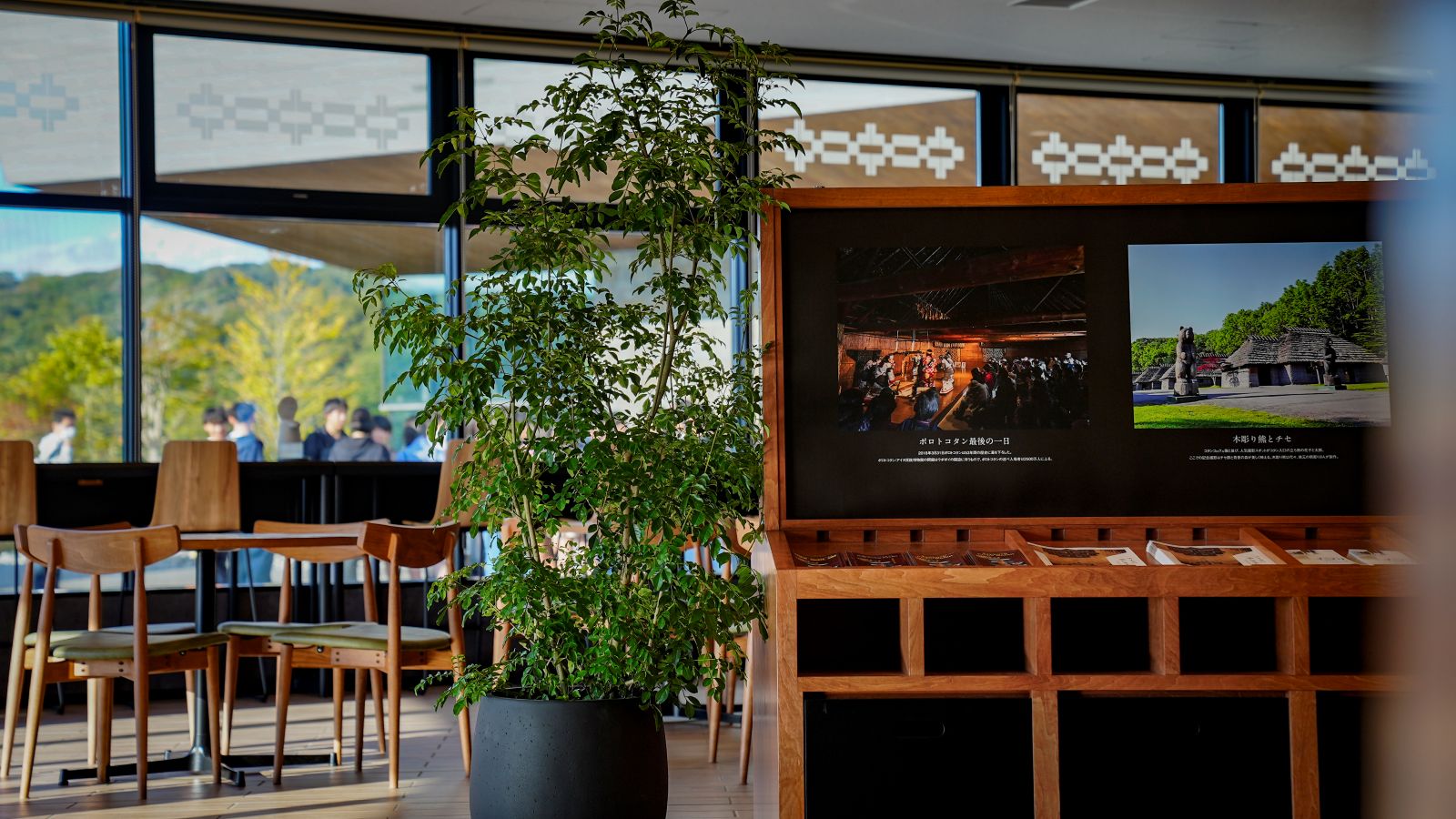
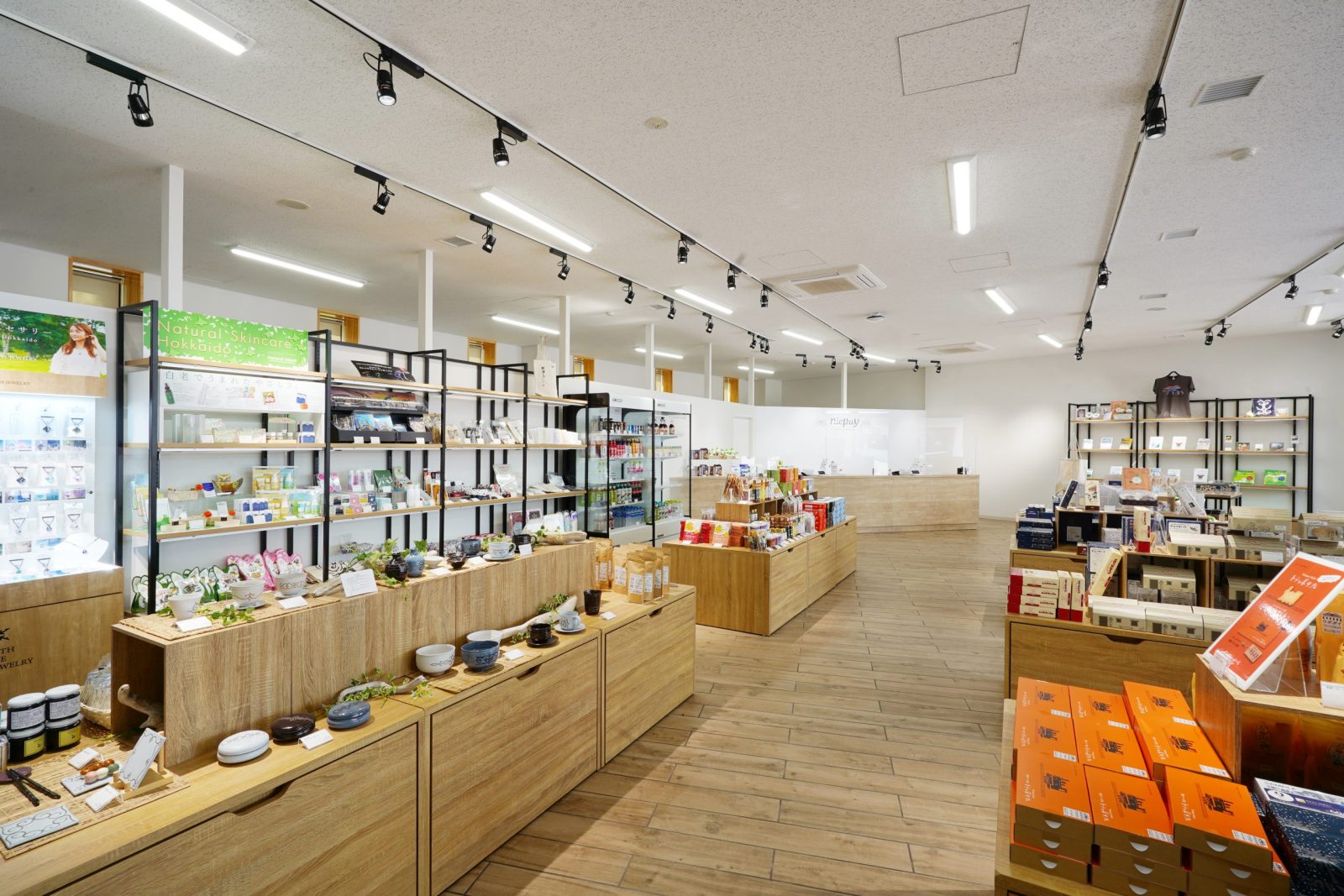
In addition to the ticket office, the information desk and a rest area, the Entrance Center has a shop with a range of Ainu crafts and other items that make perfect souvenirs. Enjoy Ainu cuisine at a restaurant with panoramic views, or choose from the extensive menu at the food court.
teeta kane an kotan
Kotan(Traditional Ainu Village)
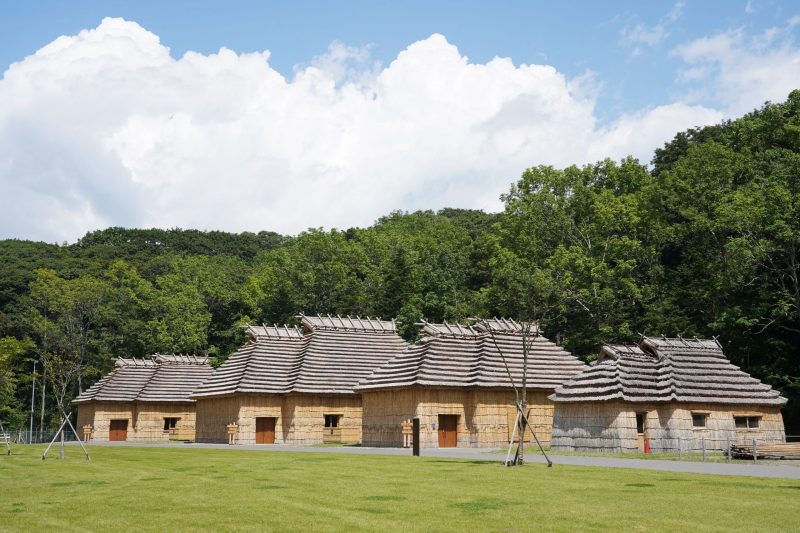
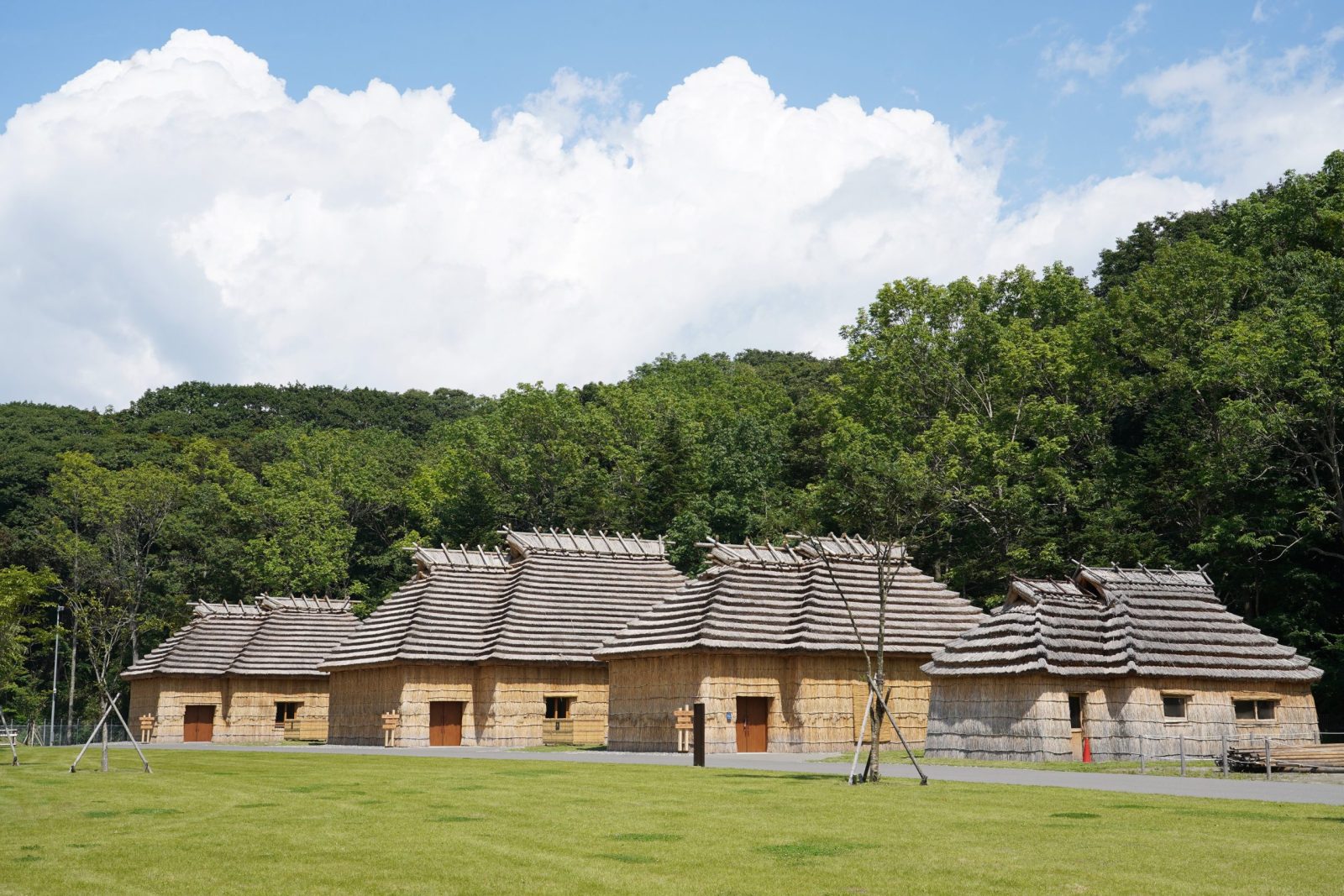
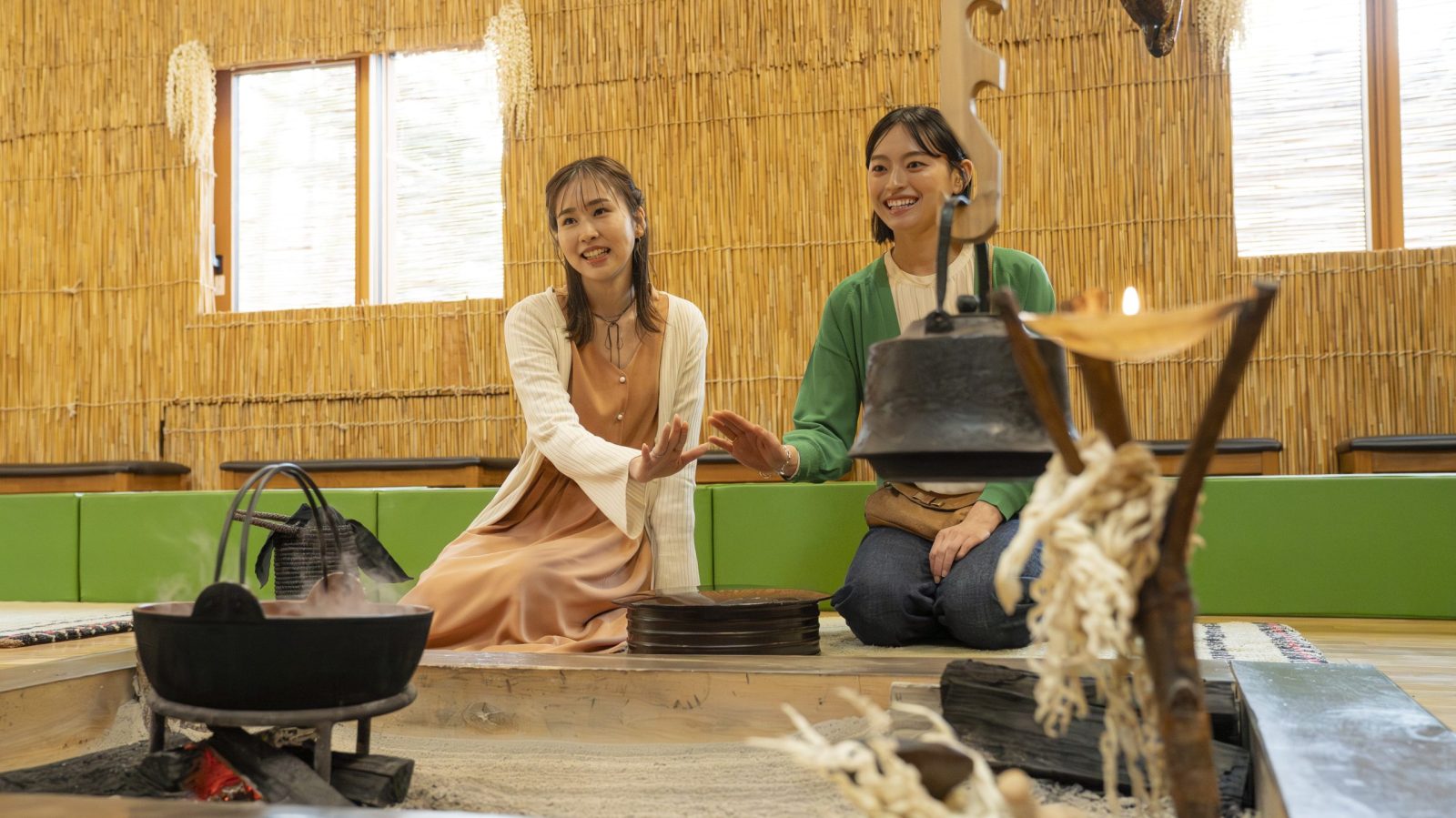
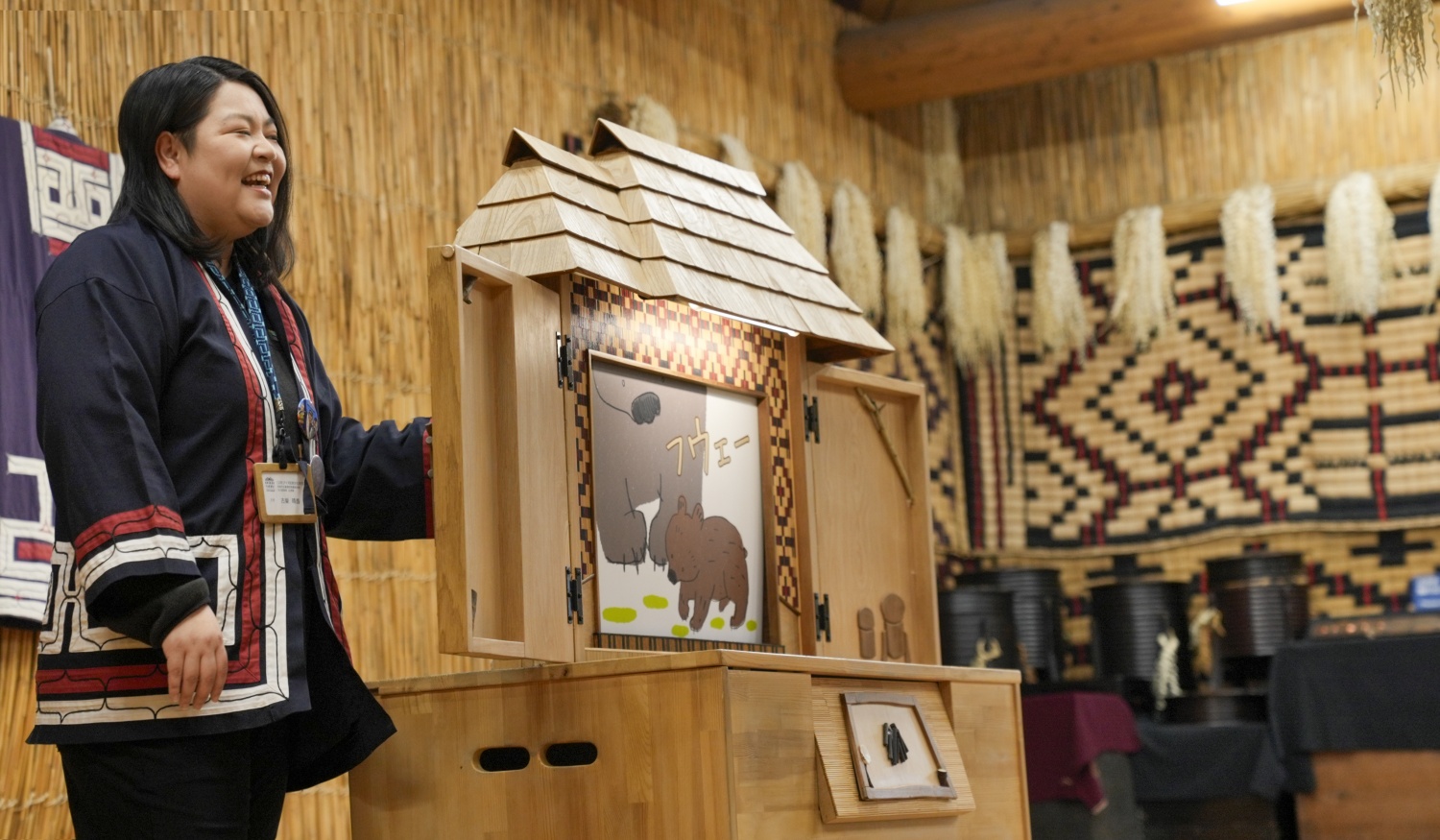
This area features a group of reconstructed thatched cise (Ainu houses), where you can experience a traditional Ainu living space. Explore the inside of the buildings and listen to talks about the lives and culture of the Ainu people who lived in cise.
cikisani mintar
Cikisani Square

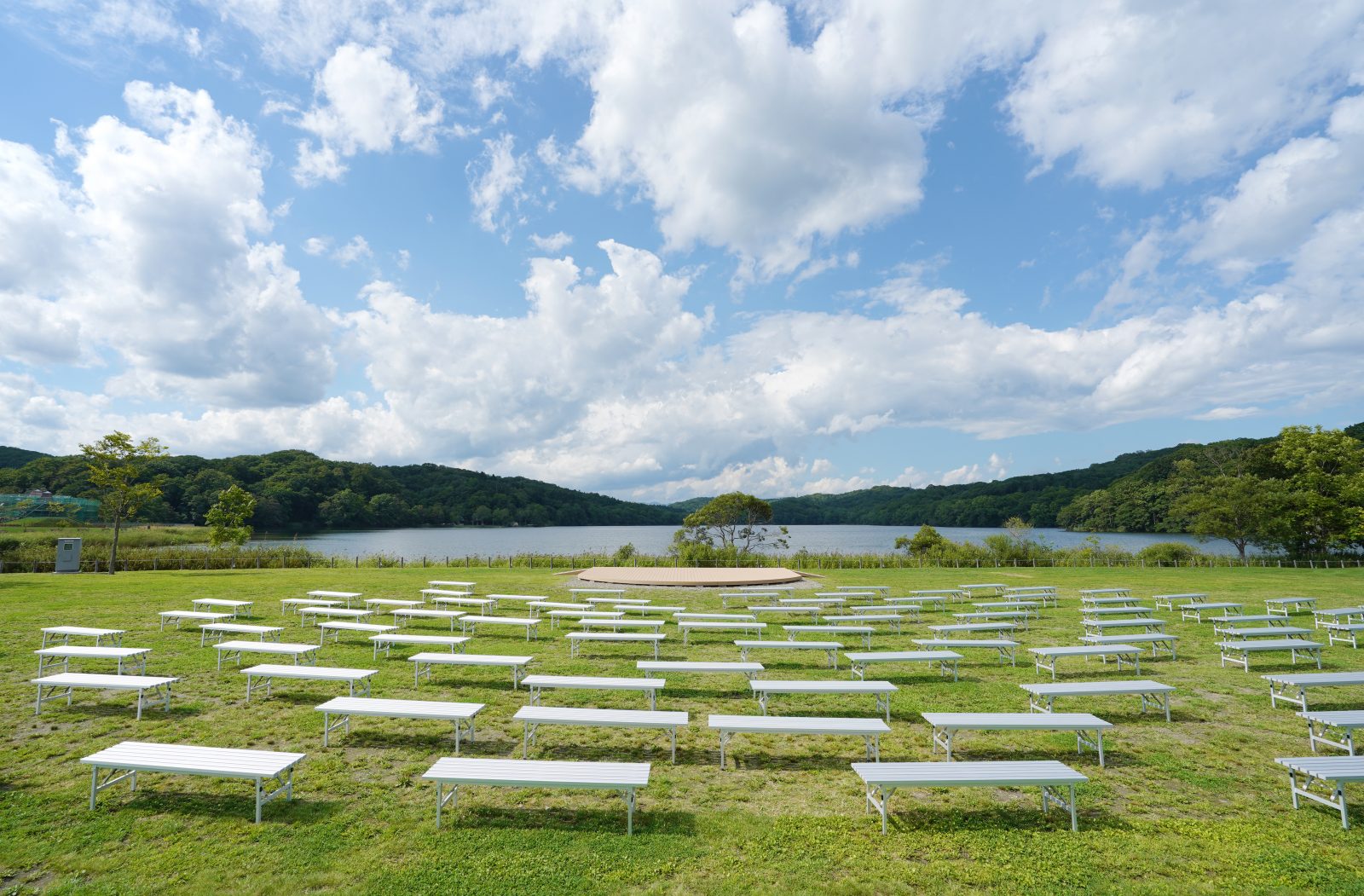
At this square, you can enjoy seasonal events and special programs against the beautiful backdrop of Lake Poroto.
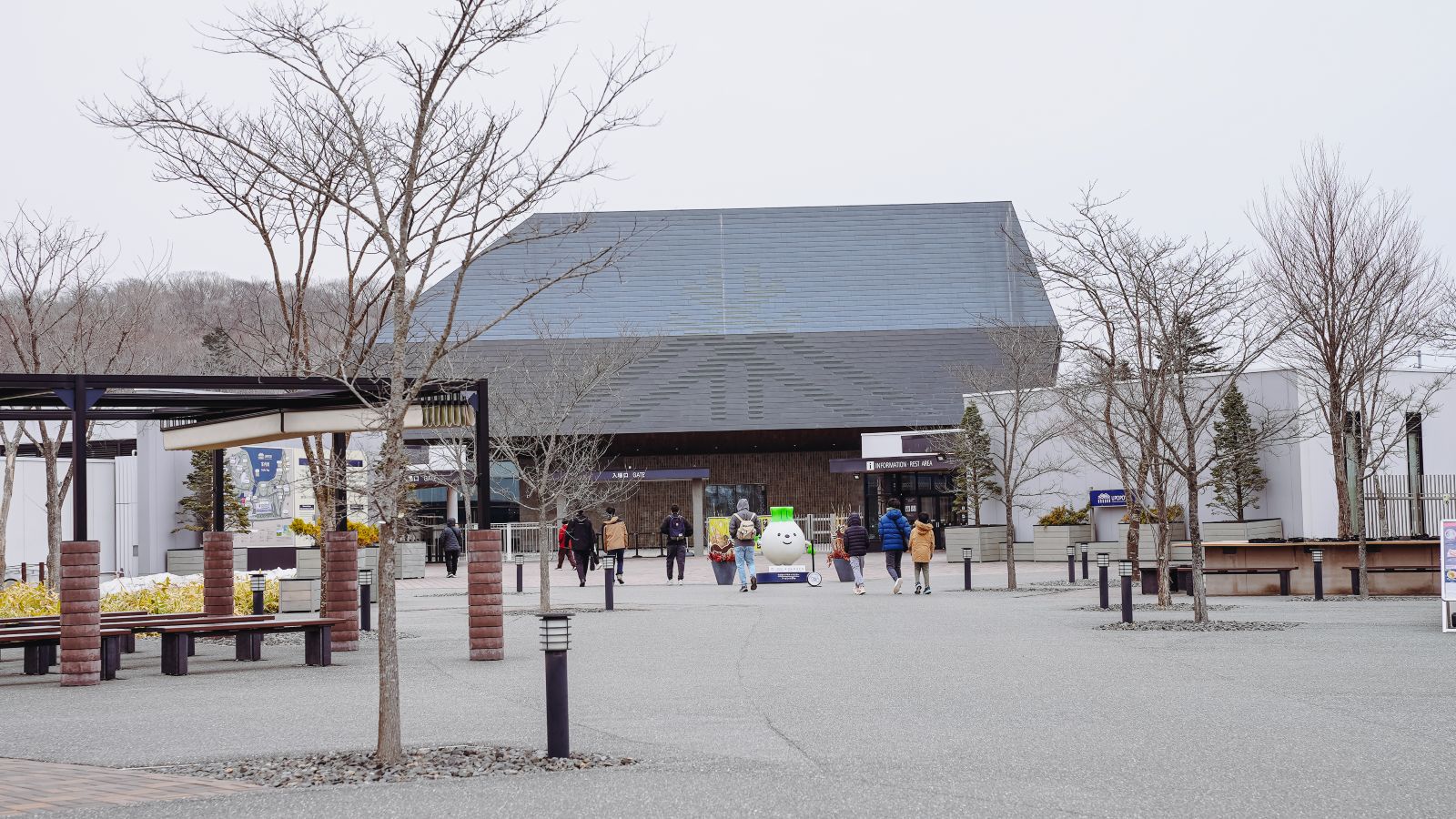
uwerankarap mintar
Gateway Square

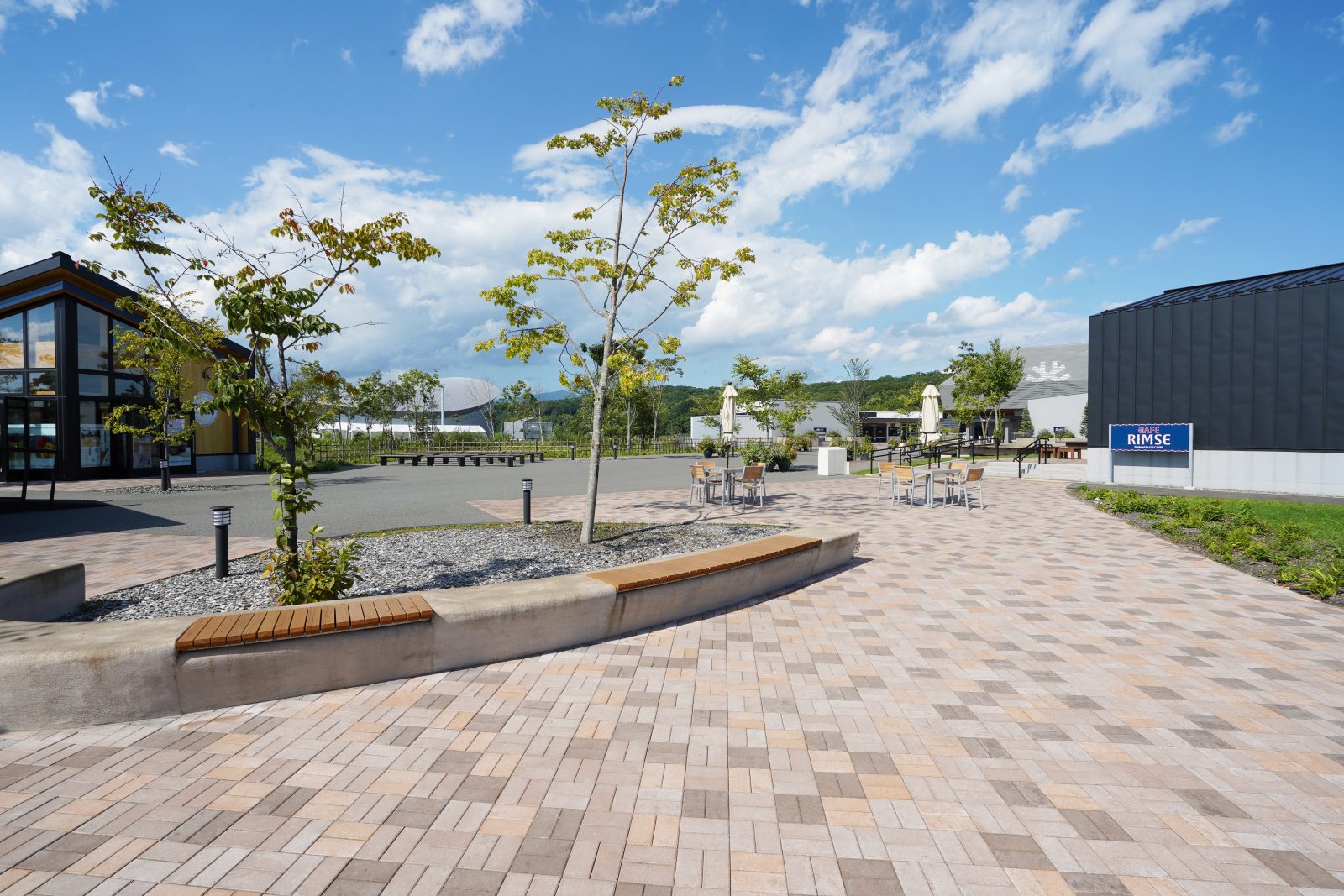
Located at the end of the Gateway Square, this open-air space is a place to enjoy eating, drinking, and shopping.
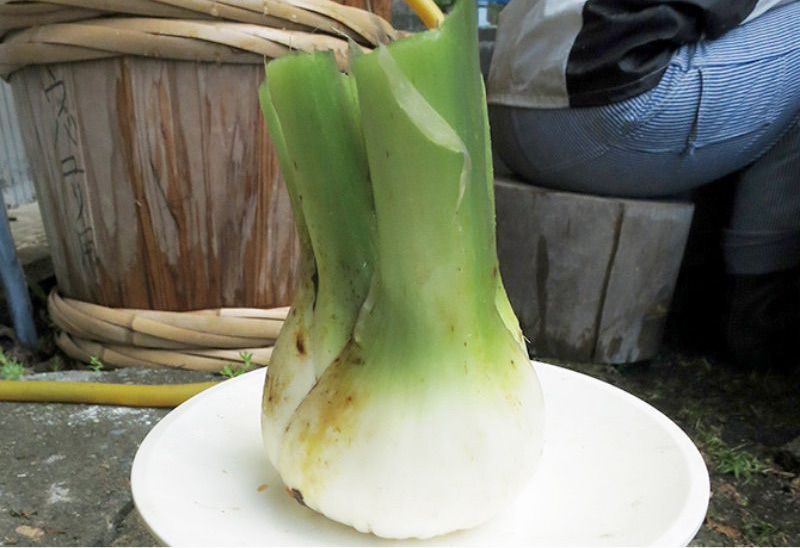
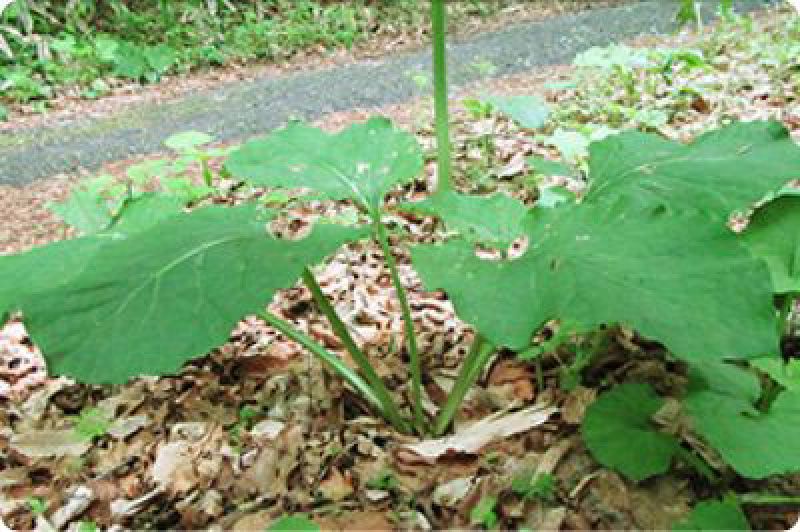
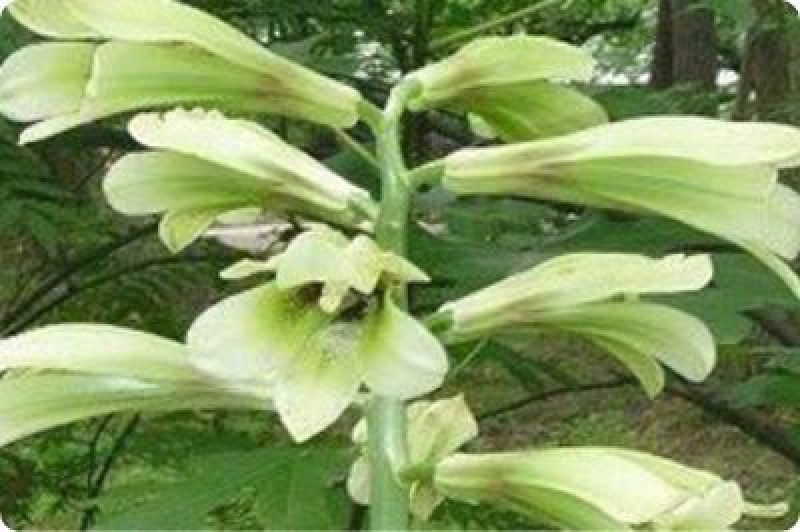
cinumke sirkauspe nukar usi
Specimen Garden
Plants in the park
More than 40 species of trees with connections to Ainu culture can be seen in the park alongside various wildflowers. Throughout history, the Ainu have collected plants for a wide range of uses, including as tools for the home and everyday tasks, as ceremonial objects, and as food or medicine. Through these plants, you can experience how the Ainu live together with nature while enjoying the seasonal lakeside scenery.
Broadleaf Cattail
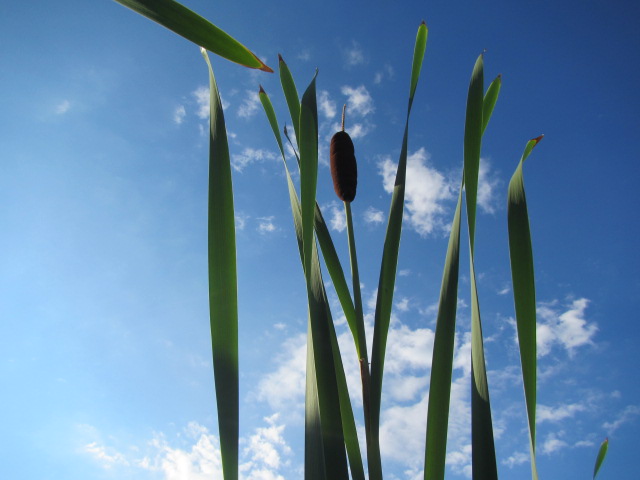
Broadleaf Cattail is a perennial plant that grows around water. It is harvested from summer to fall, dried and used to weave mats for everyday and ceremonial use.
Sargent’s Cherry
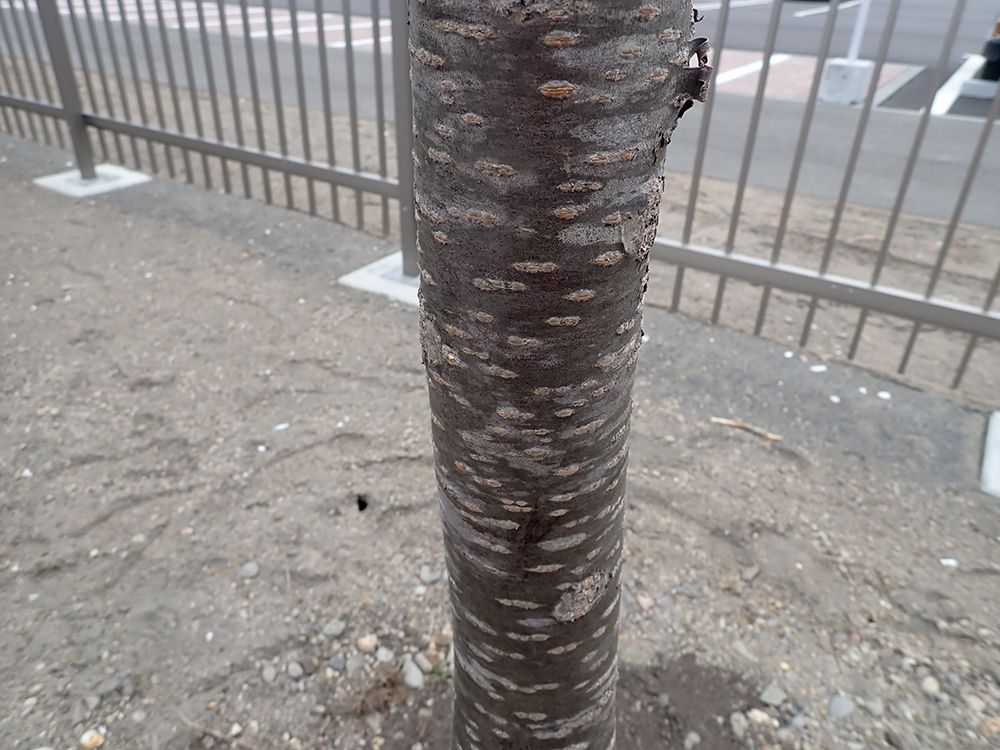
The bark of Sargent’s cherry has a beautiful shine. It is used as reinforcement during repairs and in sheaths for makiri (small knives).
Japanese Fantail Willow
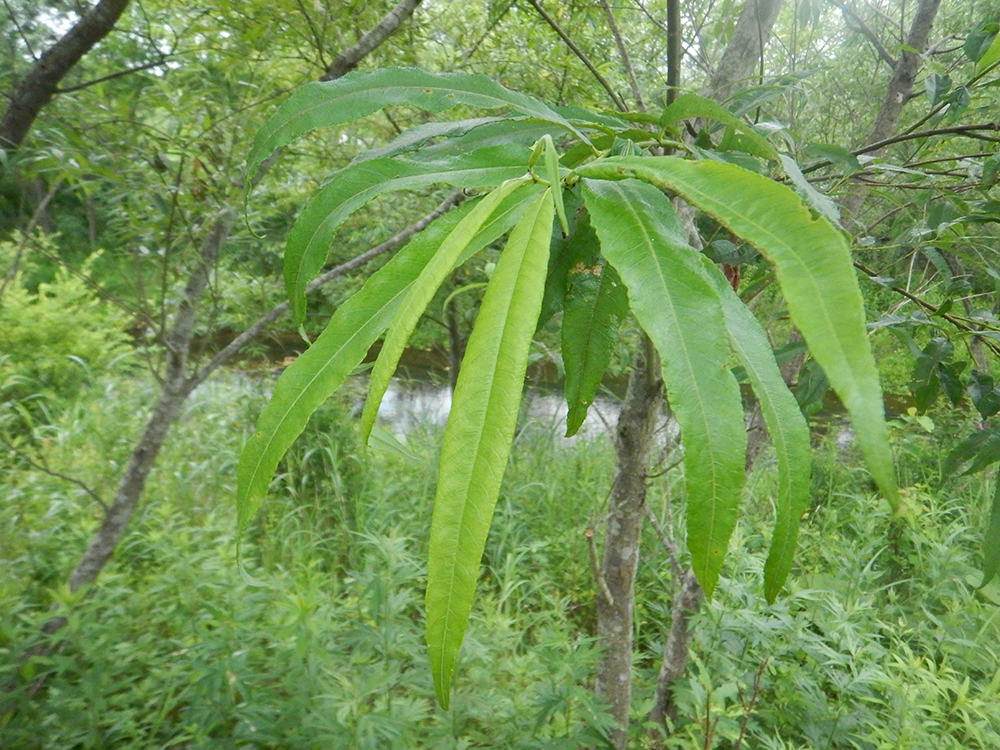
The trunk of Japanese fantail willow is cut and shaved into inaw (ritual sticks with tufted wood shavings) to express thanks to the kamuy (spirit-deities).
Manchurian Elm
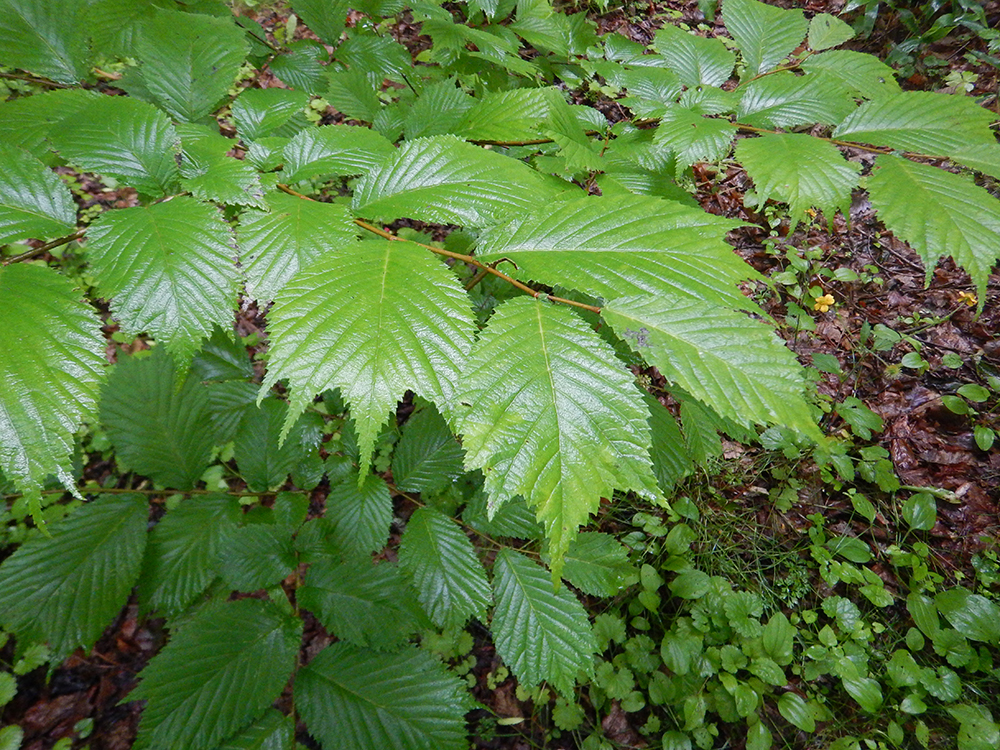
Manchurian elm is one source of fibers used to make clothing. Bark is peeled from the tree, torn into fine strips and made into yarn for weaving.
Japanese Elm
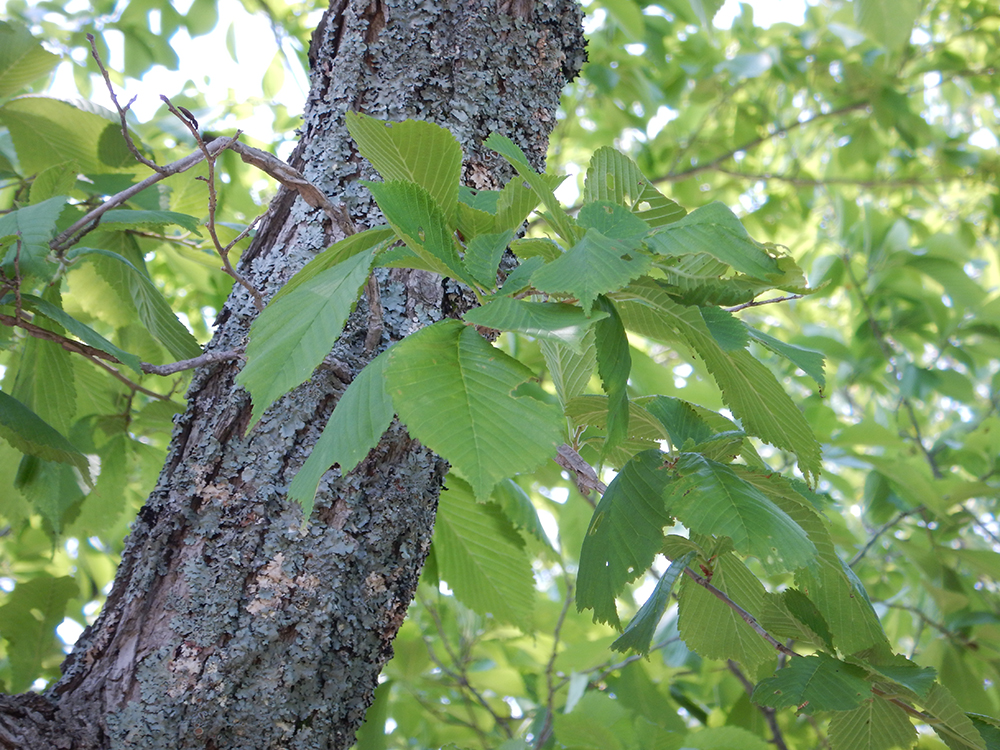
Wood from Japanese elm is used as fuel and for starting fires. It has a strong association with fire in folklore and oral literature.
Japanese Chestnut
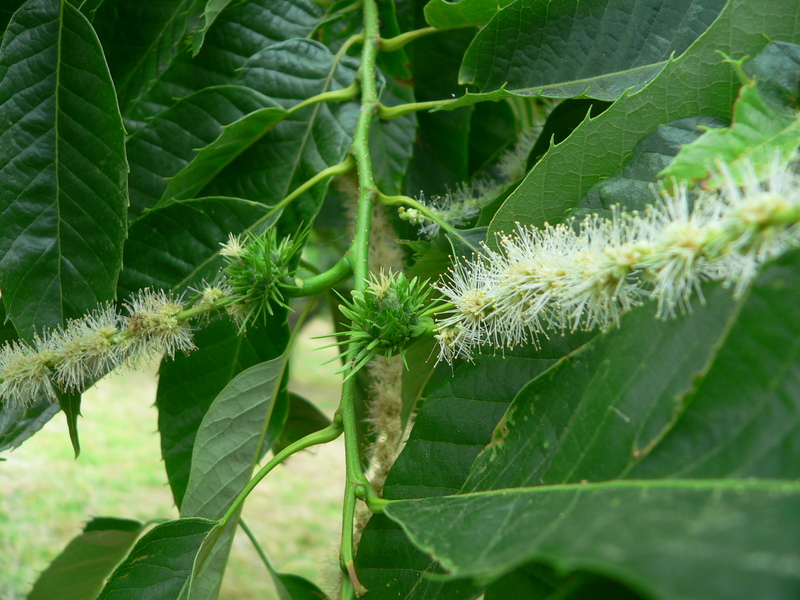
In the past, the fruits from the Japanese chestnut trees were either boiled and eaten or dried and preserved. It is also said that the leaves and burrs could be boiled and taken as cough medicine.